

Stuart Bloom’s multiverse spin-off means Big Bang is still Sheldon-and-Leonard trapped
Collider reports Stuart Fails to Save the Universe takes the franchise into sci-fi, but still circles the same core problem.
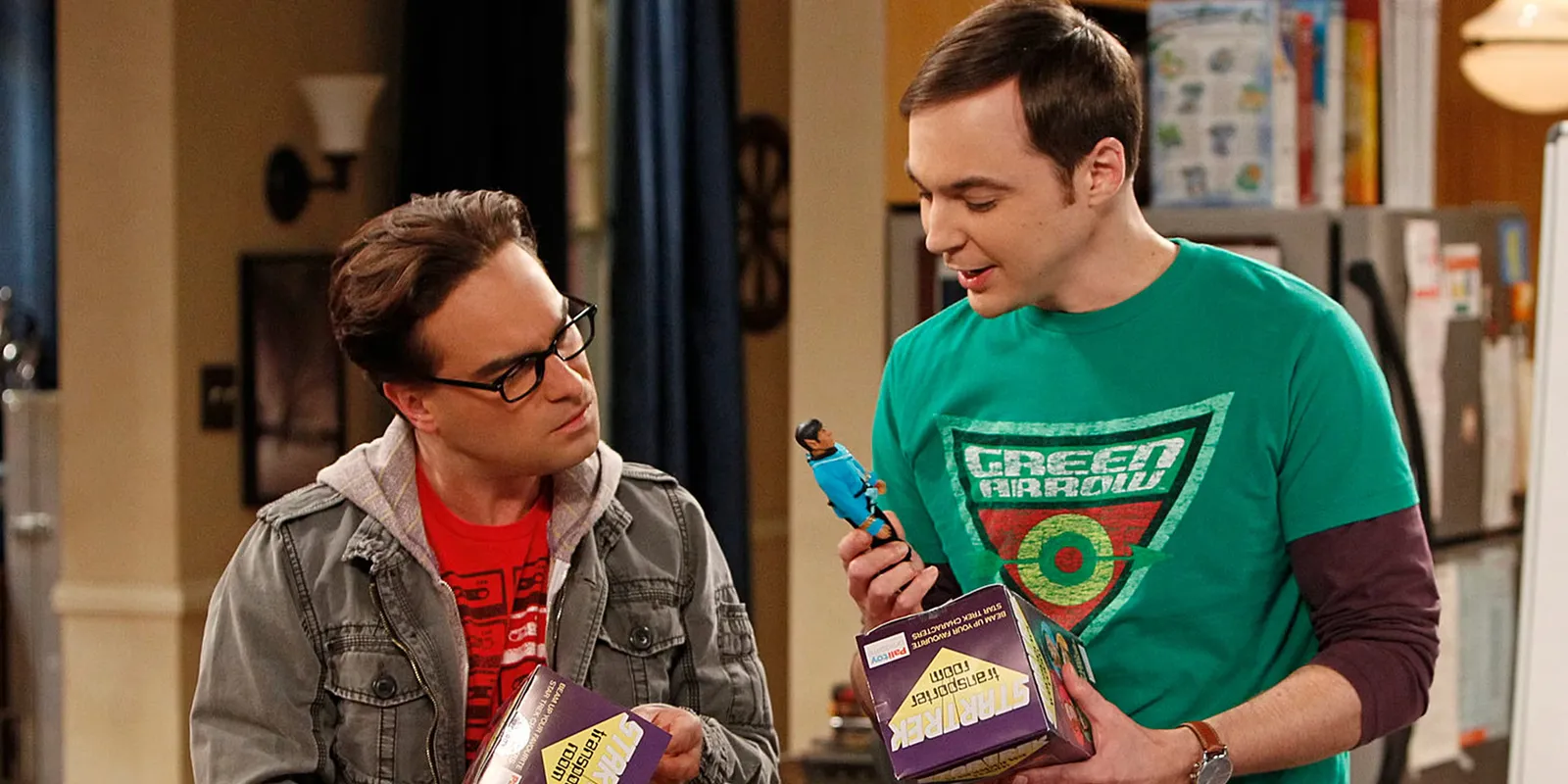
The Big Bang Theory franchise is expanding with Stuart Fails to Save the Universe, a multiversal sci-fi spin-off starring comic book store owner Stuart Bloom (Kevin Sussman). For executives, the risk is clear: the franchise is diversifying in format, but appears to be tethered to the Sheldon-and-Leonard dynamic that drove demand.
For nearly two decades, The Big Bang Theory has done something rare in TV: it stayed adaptable while keeping its comedic engine intact. The series started as a traditional multi-camera sitcom about four socially awkward scientists. Over time, it turned into one of television’s biggest comedy franchises. And instead of stopping at one hit, the brand kept branching. That matters because franchising is no longer about making one show. It is about building a system that can absorb change without losing its audience.
That brings us to the next move. Stuart Fails to Save the Universe is preparing to take the franchise somewhere it has never gone before, swapping the apartment banter vibe for a multiversal sci-fi adventure. The spin-off is led by comic book store owner Stuart Bloom, played by Kevin Sussman. This is not just a tone shift. It signals a strategic attempt to take familiar characters and put them under a completely different genre ceiling.
On the surface, this franchise expansion looks like a classic entertainment play: take a known universe, keep the recognizable characters, and refresh the packaging so the brand does not feel stale. We have already seen that logic in action. The franchise produced a prequel, Young Sheldon, and later expanded with Georgie & Mandy’s First Marriage. In other words, The Big Bang Theory did not just scale up. It learned how to reframe itself across timelines and character angles.
But here is the catch Collider highlights: Stuart Fails to Save the Universe proves one thing, the franchise still can’t escape Sheldon and Leonard. That phrasing is doing heavy lifting. It suggests that even when the show tries to move to a new setting, the franchise DNA remains anchored to the dynamics established around the core duo of Sheldon and Leonard. For decision-makers, that is an important distinction. Changing format from sitcom to multiversal sci-fi may broaden creative options, but it may not automatically loosen the dependency on the original audience pull.
From a product strategy standpoint, the question becomes: what is being diversified, and what is being repeated? A multiverse premise can attract viewers who want big swings, sci-fi references, and a plot structure that feels larger than everyday life. It can also create a fresh visual world that reduces the risk of “same room, different jokes.” Yet if the emotional center still depends on Sheldon-and-Leonard expectations, the spin-off may feel like an extension rather than a true evolution.
There is also a broader incentive structure to consider. Networks and studios tend to fund spin-offs when there is measurable comfort with the brand. The Big Bang Theory’s multi-decade run and its subsequent prequel and successor series signal that executives already believe in sequel logic and universe logic. Still, the more a franchise relies on a specific character dynamic to deliver laughs and viewer loyalty, the less freedom creators have to fully reinvent. The result can be a show that technically changes genres while keeping the same gravitational pull.
Regulatory background may not be front-page news for sitcom spin-offs, but it still exists in how media is produced and distributed. In many markets, franchises also interact with content classification, advertising rules, and platform requirements, especially when you shift into more genre-driven storytelling. Multiversal sci-fi adventures can bring more references, more visuals, and more narrative complexity. Those changes do not automatically trigger compliance issues, but they can affect how content is packaged, marketed, and approved for different audiences.
For executives looking at similar franchise moves, the second-order implication is straightforward: even when you attempt a radical new premise, your retention and engagement targets may still be anchored to what viewers originally came for. That means the boardroom conversation is not only “Can we make this new?” It is “Can we make it new without resetting the audience expectations that made the original franchise valuable?” Stuart Fails to Save the Universe is taking a swing: it is choosing multiversal sci-fi and spotlighting Stuart Bloom, Kevin Sussman’s comic book store owner. The strategic stakes are whether that swing creates enough momentum to stand on its own, or whether Sheldon and Leonard remain the unseen scoreboard for every decision.
This story's Key Insights and Take-aways are locked.
Create a free account to unlock Executive Actions for one credit.
Register to UnlockAlways free for Executives Club members. Join the Club
More in Entertainment

Russell Brand's accuser 'bewildered and confused' as he denies 7 sex charges
The criminal case against the comedian is a live test of how media companies manage talent risk when serious allegations go public.

'It's a Magic Trick': Ballet Experts Say Rosalía's SNL Pose Is Impossible
Three ballet experts tell Rolling Stone Rosalía's gravity-defying SNL stillness shouldn't be possible - and why the debate is now part of the show.

Activision CMO: GTA 6 Will Boost Call of Duty, Not Bury It
Activision's top marketer says Rockstar's blockbuster will drive players back to consoles and into Modern Warfare 4, even as the company admits its recent strategy failed.