

Super El Niño odds are rising, and it could turn typhoons, famine, and wildfires deadly
What a warmer Pacific means for disasters, food systems, and emergency planning, with stakes for insurers and supply chains.
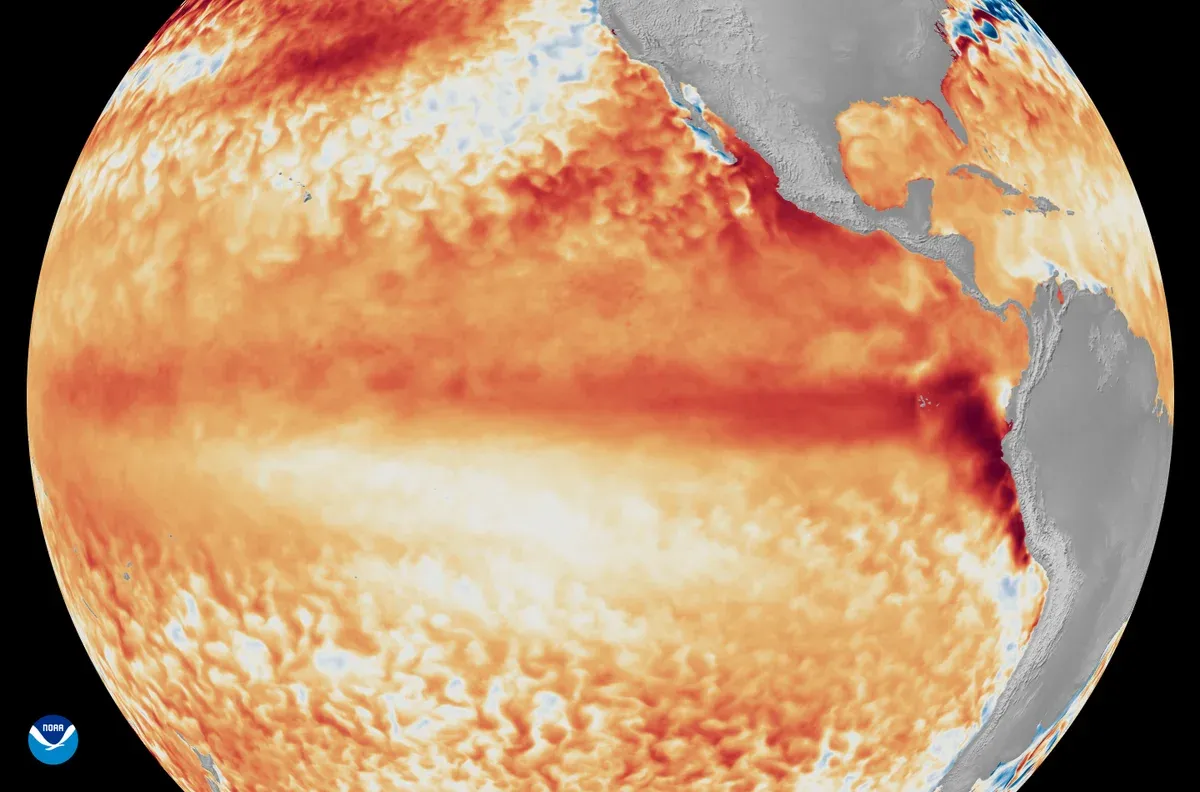
The Scientific American reports that the odds of a Super El Niño are rising, and warns of deadly consequences. The escalation could intensify typhoons and raise risks of famine and wildfires.
The odds of a Super El Niño are rising, and the consequences are not just “more rain.” Scientific American flags a climate chain reaction that can amplify typhons and raise the risk of famine and wildfires. In plain terms: when the Pacific shifts into an extreme El Niño pattern, multiple hazards can line up instead of showing up one at a time.
That matters because the hazards are linked. Scientific American ties this climate system to more powerful typhoons, as well as famine and wildfires. If you are a decision-maker, the key is the compounding risk. Stronger storms do not just threaten buildings and lives. They also disrupt agriculture, strain logistics, and can set conditions that make fires more likely later. The result is a disaster portfolio problem, not a single-event problem.
For executives, the Super El Niño risk is really a systems risk. Tropical cyclones and typhoons are often the headline, but famine and wildfires point to downstream impacts that show up in less immediate ways, like crop failures, weakened harvests, damaged infrastructure, and longer recovery timelines. Those downstream effects can become enterprise risks for retailers, food companies, insurers, utilities, and anyone dependent on stable transportation lanes or consistent energy supply.
From a board perspective, the uncomfortable reality is that climate-driven events stress governance in the same places every time. Risk registers tend to list hazards as separate rows, but climate can connect them. A warmer-and-wetter (or differently-wet) pattern can shift where precipitation falls, where vegetation dries, and how much energy fuels fires. That makes business continuity planning harder, because your mitigation for one hazard may not address the next. If typhoons hit harder, supply chains do not just slow. They can break, then reassemble on a different timeline, and costs can move faster than budgets.
There is also a financial framing to keep in mind. When multiple regions face correlated weather shocks, insurers and reinsurers can see larger-than-expected losses, and reserves can come under pressure. That can ripple back into underwriting terms, pricing, and coverage availability. Even if your company is not an insurer, underwriting changes can affect your operating costs. For example, higher insurance premiums or reduced coverage for certain geographies can force hard location decisions and change the math on expansion.
On the operational side, “famine and wildfires” are a reminder that climate disruptions often travel through people first and commodities second. Food system volatility can translate into price spikes and contract disputes. Wildfires can impair power generation and create smoke impacts that disrupt labor and transport. The second-order effect is that even sectors that look far removed from weather can end up dealing with health, logistics, and commodity constraints. Boards that treat climate as a facilities issue only can miss the human and supply-side link.
Finally, there is the public-sector and regulatory backdrop. While this Scientific American piece is focused on rising odds and deadly consequences, the practical takeaway for decision-makers is that governments typically respond to escalating climate hazards with emergency funding, disaster declarations, and infrastructure or preparedness actions. Companies that plan for those shifts can move faster when procurement priorities, permitting, and response timelines change. Those that do not may find themselves waiting behind the same bottlenecks that every other organization hits when the weather turns extreme.
In short: Scientific American is warning that rising odds of a Super El Niño can mean more powerful typhoons and increased risks of famine and wildfires. For executives, the strategic stake is resilience in a connected world. Your goal is to treat this as a multi-hazard scenario, stress-test continuity assumptions, and ensure risk management is designed for compounding outcomes, not single disasters.
This story's Key Insights and Take-aways are locked.
Create a free account to unlock Executive Actions for one credit.
Register to UnlockAlways free for Executives Club members. Join the Club
More in Science

University of Glasgow team links Tibetan Plateau summit shape to deep Earth forces
The science matters because it sharpens how we model landscape evolution, hazards, and the planet’s hidden mechanics.

China’s rocket win turns it into the U.S. solar-system rival, fast
The article argues China has moved from space novice to the main competitor for dominance across the solar system.

FCC okays Space Mirror test that turns night to day
Despite outcry, the FCC authorizes a start-up to bounce solar rays onto Earth’s dark side.