

Supreme Court, 6-3, kills 91-year rule that limited presidents' control of independent agencies
The Court removed a long-standing constraint on who presidents can fire, reshaping the leverage dynamics inside U.S. regulation.

In a 6-3 decision, the Supreme Court struck down a 91-year-old precedent that had limited presidents from removing members of independent agencies. For decision-makers, it shifts control of regulatory enforcement and rulemaking toward the White House, tightening the political check those agencies were designed to provide.
The Supreme Court just made a big, very specific move in the ongoing tug-of-war over who controls the government. In a 6-3 decision, it struck down a 91-year-old precedent that had prevented presidents from removing members of independent agencies. Those agencies are supposed to be a check on presidential power, precisely because they are meant to operate with some insulation from day-to-day politics.
Put bluntly: this ruling changes the practical leverage between presidents and the people running independent regulators. If presidents previously faced a legal barrier to removing agency members, that constraint has now been erased by the Court. The second-order effect is that agency leadership, boardroom-style, now has a closer relationship to the executive branch's priorities, even if agencies still carry the label “independent.”
To understand why this matters, you have to know what “independent agency” is trying to do in the first place. In the U.S. regulatory system, many agencies are tasked with writing and enforcing rules across sectors, from finance to labor to communications and more. The model of “independence” is meant to reduce the chance that a newly elected president can immediately swing regulatory policy to match campaign promises. Instead, the structure aims for continuity, long-term expertise, and insulation from political retaliation. The 91-year-old precedent the Court overturned existed because someone, long ago, decided that the presidency should not be able to fully steer these regulators at will.
But power in Washington is rarely static. Presidents want to implement their agenda, and regulatory agencies can be the bottleneck. If you cannot remove top leadership, you can still influence appointments and hope the leadership follows your direction. Yet removal power is the hard lever. With limited removal, presidents are stuck with agency members who may disagree, or who may have incentives shaped more by institutional norms than by the election cycle. The Court’s ruling shifts that balance by removing the legal barrier that had protected agency members from being fired by presidents.
From a governance standpoint, this creates a real-world incentive change. Independent agencies typically include members serving fixed terms, and their independence is often bolstered by procedural protections and expectations of nonpartisan administration. When presidents gain broader removal authority, the expectations inside those institutions can change quickly. People who lead enforcement or rulemaking teams, not just the members themselves, may adjust their internal risk calculus. The reason is straightforward: leadership stability, which used to be legally protected, is now less so. That means the leadership can be more directly aligned with the administration’s priorities, and the administration may feel more comfortable demanding specific policy outcomes.
There is also a broader regulatory context here. Enforcement decisions and rulemaking do not happen in a vacuum. Regulated industries watch who is in charge, how aggressively rules get enforced, and whether compliance burdens will increase or decrease. When agency leadership can more readily be replaced, the industry’s planning horizon can shorten. Companies and boards that build multi-year compliance programs may have to stress-test more scenarios. Even if the agencies still operate under statutory constraints, the human element matters: who sets enforcement priorities, who interprets statutory ambiguities, and who moves rules through complex processes.
For boards and executive teams at regulated companies, the strategic stakes are personal. This decision does not rewrite every statute overnight, but it changes the bargaining environment between the executive branch and the regulators that shape your costs. It also changes how quickly a new administration can exert influence over independent regulatory agendas, because the ability to remove agency members makes it easier to reset leadership. In practical terms, that can speed up shifts in regulatory posture, tighten timelines for stakeholder engagement, and increase the importance of proactive government affairs, not just reactive responses.
For peers in leadership roles across finance, energy, health, tech, or any sector touching federal regulation, the headline is the mechanism: a 6-3 Supreme Court decision dismantled a 91-year-old precedent designed to prevent presidents from removing members of independent agencies. That means the “independence” shield is weaker in one crucial way, and the executive branch’s grip on regulatory direction is stronger. The result is a Washington system where policy control can move faster, and where regulated companies should assume that the clock on leadership changes just got shorter.
This story's Key Insights and Take-aways are locked.
Create a free account to unlock Executive Actions for one credit.
Register to UnlockAlways free for Executives Club members. Join the Club
More in Politics
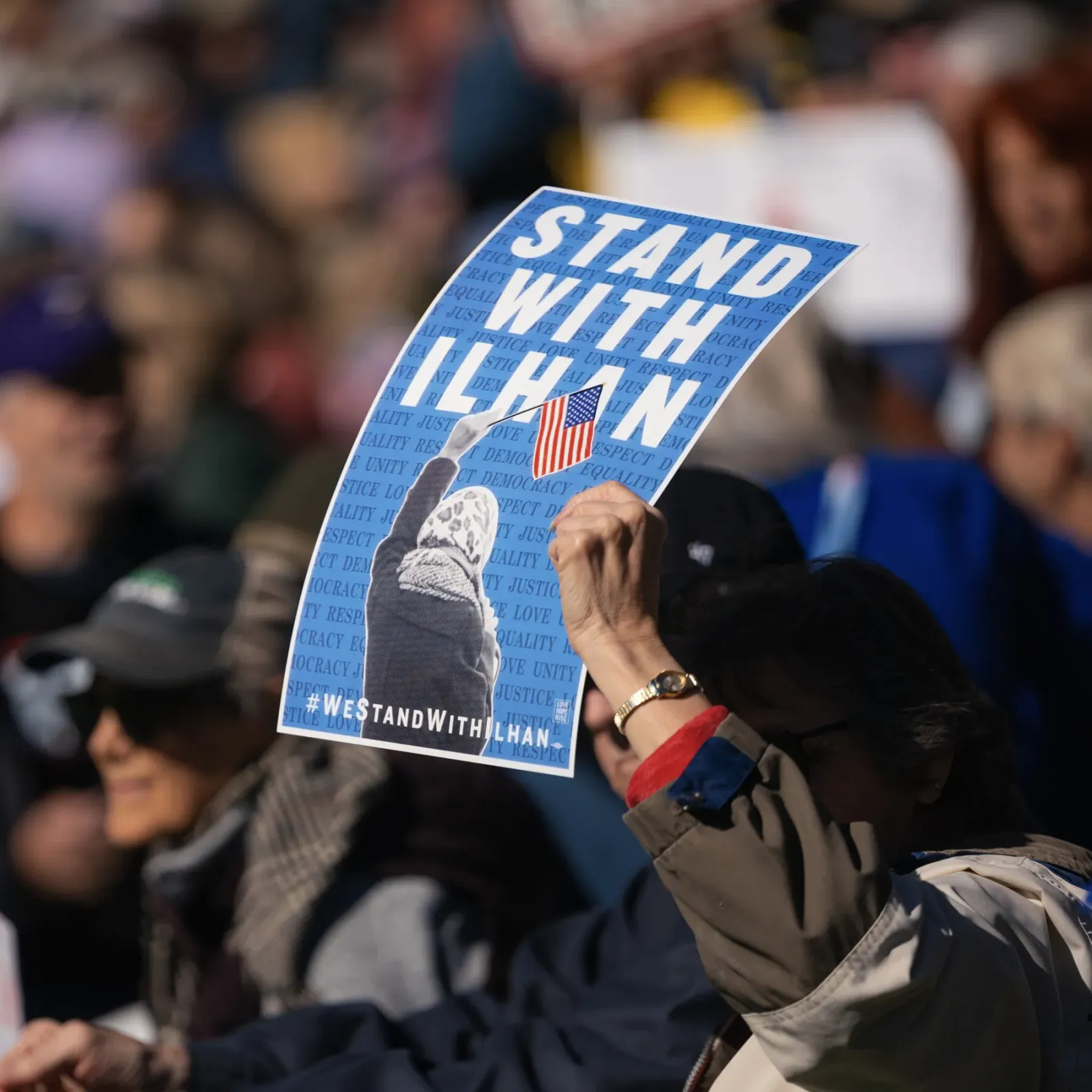
Obama Defends Ilhan Omar After Agents Search Her Home in Trump Inquiry
The former president's intervention raises the stakes in a federal probe into immigration paperwork that has put a prominent progressive lawmaker in the crosshairs.

Blair-era minister: cut welfare to fund youth job support
Alan Milburn's call for welfare cuts to fund employment support opens a Labour fight over benefits and the Neet crisis.
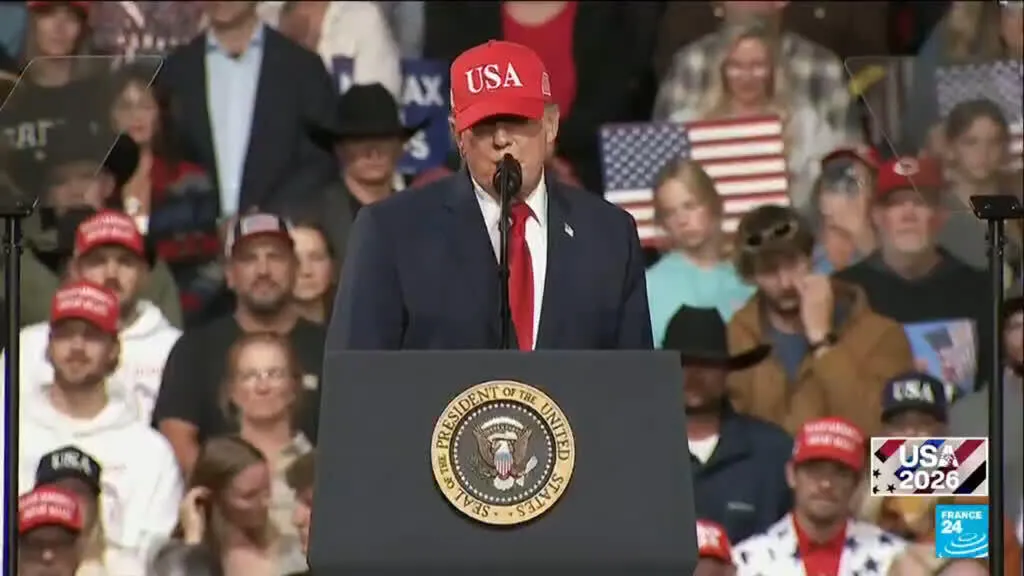
Hot September CPI: energy costs surge, voters feel the squeeze before midterms
The latest inflation print lands as Trump campaigns for GOP control of Congress, putting cost-of-living worries at the center of the midterm fight.