

Supreme Court says geofence warrants are searches in Okello Chatrie case
A 6-3 ruling reverses a Virginia bank robbery conviction by treating cellphone location tracking as a Fourth Amendment search.

The Supreme Court ruled on Monday that law enforcement’s use of a geofence warrant to identify Okello Chatrie was a search under the Fourth Amendment. The 6-3 decision tosses out a ruling that had upheld his Virginia bank robbery conviction, reshaping how courts evaluate cellphone location privacy.
The U.S. Supreme Court delivered a blunt privacy signal on Monday: when police use a geofence warrant to identify a person through their cellphone location data, that counts as a “search.” In a 6-3 decision, the justices reversed a Virginia case involving Okello Chatrie, a man convicted in a bank robbery, and sent the matter back to a lower court.
That headline stake matters fast because geofence warrants are a modern policing tool. They work by drawing a virtual fence around a geographic area during a relevant time window, then querying location data to identify devices in that zone. In the Chatrie case, the Supreme Court held that the government’s use of this approach to pinpoint a suspect using cellphone location data created a reasonable expectation of privacy. In other words, the court is treating the act of using this location information as something that triggers Fourth Amendment constraints, not as a mere technical data-handling step.
To understand why the court’s move is consequential, it helps to connect it to how Fourth Amendment law has evolved. The Fourth Amendment protects people against unreasonable searches and seizures, and modern technology forces courts to answer a basic question: when someone’s ordinary data footprint gets collected and used to infer where they were, who they were near, and what they might be connected to, does that require a warrant that satisfies constitutional standards? The Supreme Court’s answer here is that cellphone location data, accessed through a geofence warrant to identify a person, is not outside constitutional scrutiny.
This isn’t just a legal nuance that stays in court filings. Law enforcement has increasingly relied on location data derived from mobile devices, because it can provide timelines, associations, and likely routes in investigations. But the more aggressively data-driven policing tools are used, the more pressure builds on courts and legislatures to clarify what process is required and how far the government can go. A Supreme Court reversal, especially one that sends the case back to a lower court, forces prosecutors to re-check how they structure applications for warrants and how they defend those searches on appeal.
The decision also illustrates why executives at platforms and analytics vendors should care, even if they are not parties to the case. Cell location data sits at the intersection of privacy, security, and compliance. The operational reality is that companies that touch location signals often build systems that help users, advertisers, or partners make sense of where devices are. But compliance teams do not only worry about what regulators say today. They also worry about what the judiciary will say tomorrow when new fact patterns test whether a “reasonable expectation of privacy” exists. When the Supreme Court draws a line, it can influence how future warrants get described, challenged, and approved.
From a boardroom perspective, the second-order impact is risk management across legal exposure and public trust. Even when companies are not directly providing location data to police, they are part of the data ecosystem where location collection, retention, and access decisions affect how constitutional issues play out. A 6-3 split indicates a meaningful level of disagreement among the justices, which can be read as both an immediate constraint and an invitation for future cases to refine boundaries. For management teams, that means privacy strategy cannot be treated as a static policy document. It needs an adaptive approach to evolving legal standards and enforcement posture.
Finally, there is a human stake beneath the procedural one. The ruling “tosses out a ruling against” Chatrie, meaning the conviction that had stood is no longer secure based on the legal reasoning the Supreme Court rejected. By sending the case back, the Supreme Court leaves the lower court to apply the new constitutional framing. For decision-makers across government and industry, the lesson is clear: location-based investigations are now more clearly inside the Fourth Amendment search analysis, and that shift will echo through warrant applications, litigation strategies, and compliance programs going forward.
This story's Key Insights and Take-aways are locked.
Create a free account to unlock Executive Actions for one credit.
Register to UnlockAlways free for Executives Club members. Join the Club
More in Politics
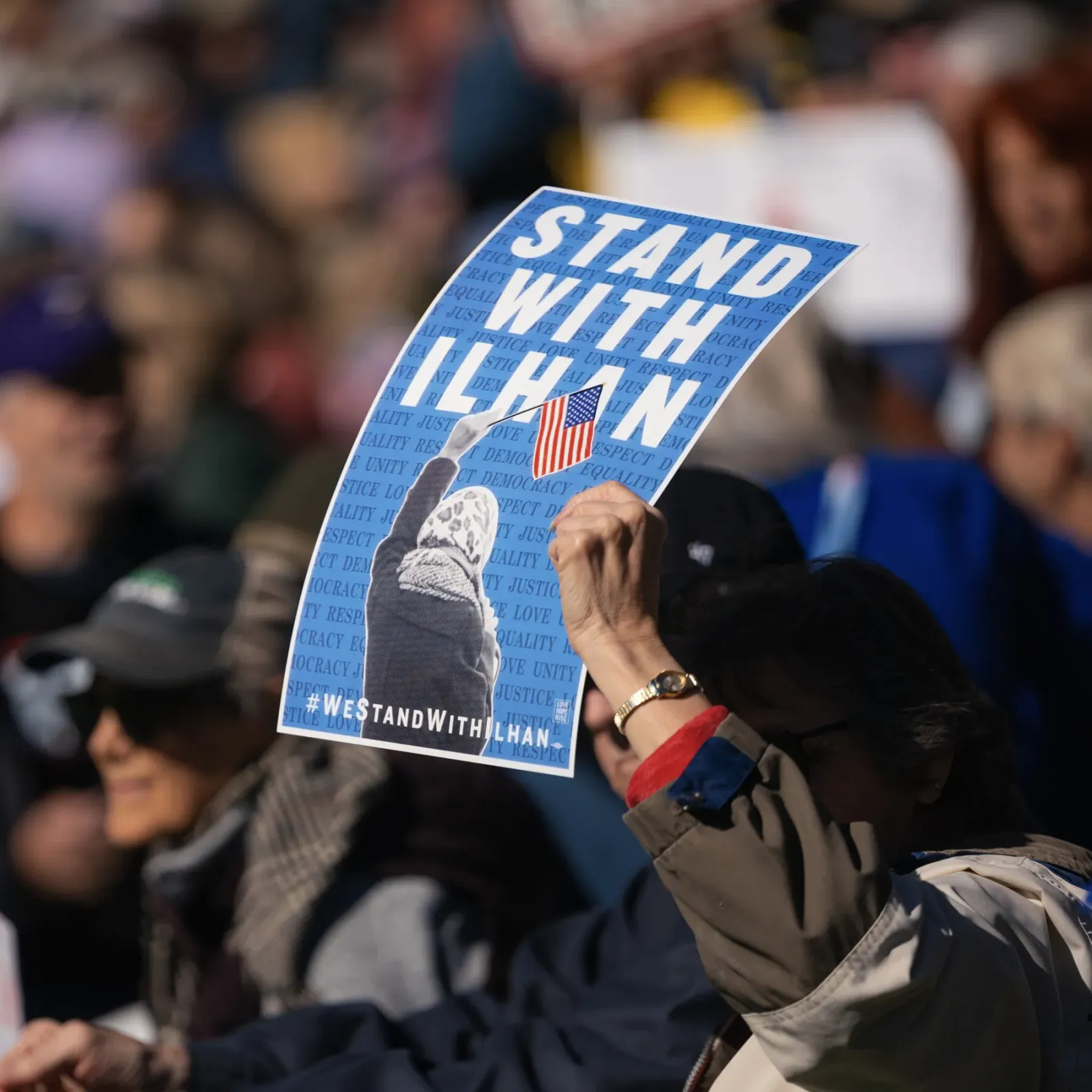
Obama Defends Ilhan Omar After Agents Search Her Home in Trump Inquiry
The former president's intervention raises the stakes in a federal probe into immigration paperwork that has put a prominent progressive lawmaker in the crosshairs.

Blair-era minister: cut welfare to fund youth job support
Alan Milburn's call for welfare cuts to fund employment support opens a Labour fight over benefits and the Neet crisis.
Hot September CPI: energy costs surge, voters feel the squeeze before midterms
The latest inflation print lands as Trump campaigns for GOP control of Congress, putting cost-of-living worries at the center of the midterm fight.