

Supreme Court takes up Alaska bid to seize Ken Jouppi’s 1969 Cessna over beer
Justices will weigh whether Alaska can forfeit an aircraft for an incident tied to six-pack Budweiser into a dry village.
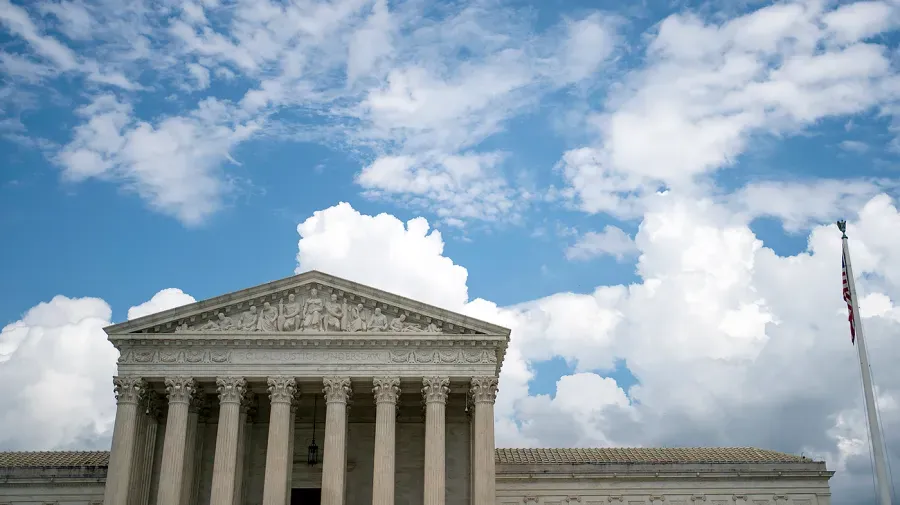
Ken Jouppi, an Alaskan pilot, challenged Alaska’s bid to seize his 1969 Cessna after a passenger allegedly tried to fly into a dry village with a six-pack of Budweiser. The Supreme Court’s decision Monday to take up the case puts the boundaries of state aircraft forfeiture and “excessive fines” directly in the spotlight for decision-makers.
The U.S. Supreme Court agreed Monday to take up Ken Jouppi’s challenge to Alaska’s plan to seize his 1969 Cessna airplane. The case stems from an incident tied to a passenger attempting to fly into a dry village with a six-pack of Budweiser. Jouppi denies knowing about the alcohol, and he argues that losing his plane would be an excessive fine.
That framing matters because it forces the Court to answer a very specific question with very real consequences: can a state use forfeiture powers to take an entire aircraft for what Jouppi says was not his wrongdoing, and do the stakes become unconstitutional when the punishment dwarfs the underlying conduct? In other words, this is not just a dispute about beer in a cockpit. It is about how far government can go when it tries to deter illegal alcohol distribution in places where alcohol is restricted.
To understand why executives, investors, and operators should care, zoom out for a second on what “forfeiture” actually means in the real world. When a state seeks to seize property, it is not merely penalizing a person with a fine. It is taking the asset itself, and assets like an airplane can represent a lifetime’s worth of capital tied up in one hard-to-replace object. That changes incentives for everyone around the risk: owners, operators, insurers, and any business or individual that depends on aviation to serve remote communities.
This case also sits at the intersection of two regulatory realities. First, Alaska has unique geography and remote communities where restrictions on alcohol can be treated like public safety priorities. Second, dry villages are not hypothetical. They are places with rules that can be enforced through mechanisms that are both legal and practical. If alcohol is prohibited, states often look for enforcement pathways that they believe will be hard to evade. Forfeiture is one of those pathways because it targets the means, not just the incident.
But Jouppi’s defense highlights the constitutional counterweight: the prohibition on excessive fines. He denies knowing about the alcohol, and he argues that losing his plane would be an excessive fine. That raises a tension that courts regularly wrestle with in forfeiture cases: does the government’s interest in deterrence justify stripping the instrument of the incident, especially where the owner claims lack of knowledge? If the Court takes a strict view, states may have to narrow how they pursue forfeiture, perhaps focusing more on the owner’s culpability rather than the asset being connected to the underlying event.
There is also a practical compliance angle. Aviation is a high-friction environment. People may board quickly, documentation can move in bursts, and passengers bring their own items. For pilots and the businesses that rely on them, the question becomes: how much control is required to prevent an incident that could later be treated as forfeitable conduct? Even without inventing details beyond the source, the second-order implication is straightforward. Where enforcement risk is high, companies and individuals tend to invest in training, screening, and operating procedures, because the cost of a mistake is no longer a ticket or a fine, it is the asset itself.
For decision-makers, the strategic stakes are bigger than one pilot and one aircraft. Supreme Court review of a state forfeiture effort can shift the playbook for similar cases, especially those involving regulated travel, restricted substances, or remote enforcement. If the Court signals that “excessive fines” limits can block seizure of high-value property tied to third-party conduct, states may need to adjust enforcement strategies. If the Court leans the other way, states could have more room to pursue aggressive forfeiture, and the risk calculus for asset owners would change.
Bottom line: the Supreme Court agreed Monday to take up Ken Jouppi’s challenge to Alaska’s bid to seize his 1969 Cessna over an incident involving a passenger’s six-pack of Budweiser into a dry village. Jouppi denies knowing about the alcohol and says losing his plane is an excessive fine. For boards and operators, this is a live test case for how the law balances community restrictions, state enforcement tools, and constitutional limits on punishment-by-seizure.
This story's Key Insights and Take-aways are locked.
Create a free account to unlock Executive Actions for one credit.
Register to UnlockAlways free for Executives Club members. Join the Club
More in Politics
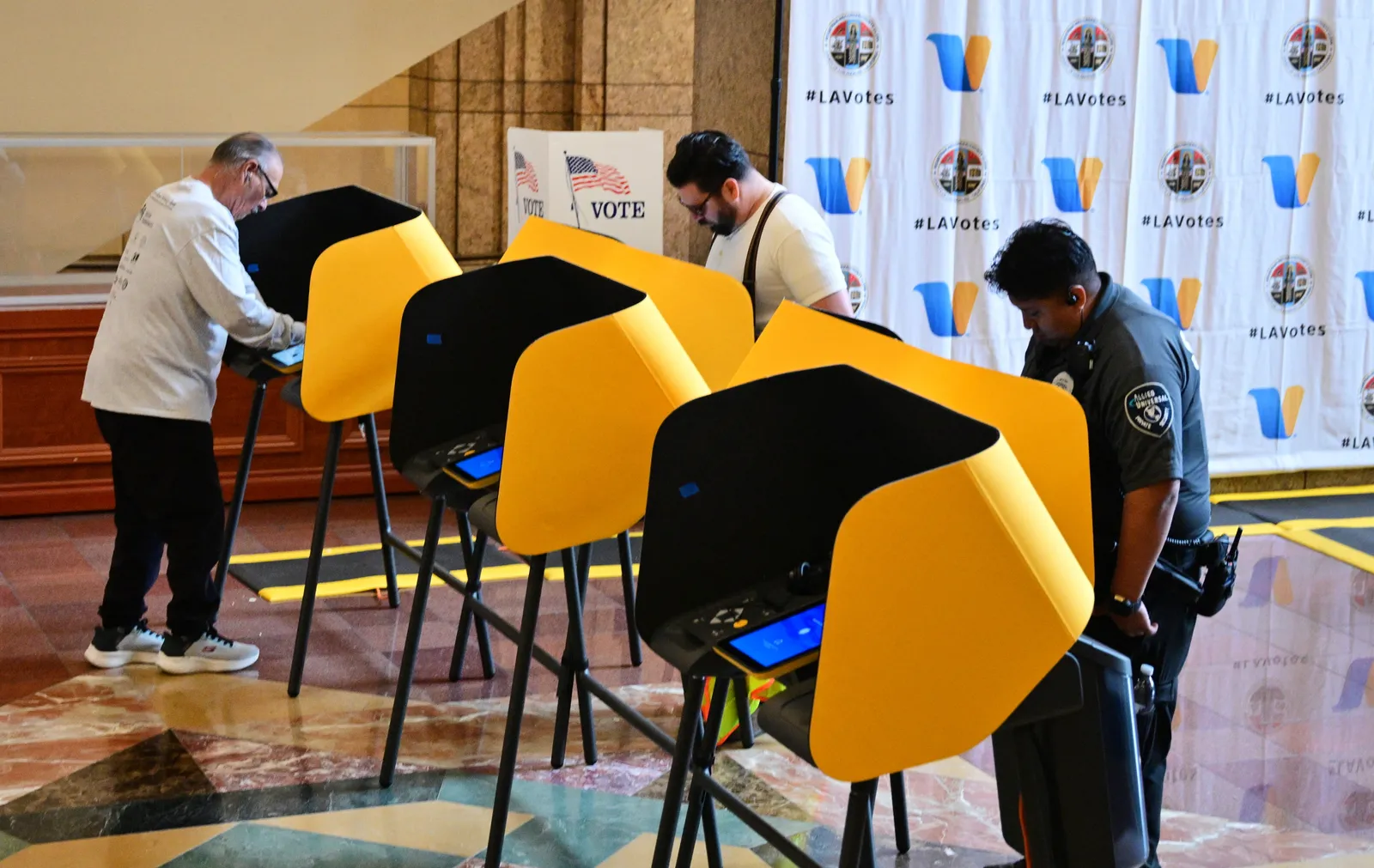
LA County: DOJ's 20,000 'noncitizen' voter list is 'unreliable,' includes U.S.-born
Preliminary review by Los Angeles County election officials finds errors in the federal list, raising the stakes for voter roll integrity ahead of November.
Trump's $1.5B Pentagon chip investment lands in North Carolina
A $1.5 billion defense infusion for North Carolina chipmaking signals a new era of Pentagon-backed reshoring - here's what it means for the industry.

Nigeria confirms first Ebola case in Abuja, a woman just off a Uganda flight
Health Minister Muhammad Ali Pate says the patient flew in from Uganda, putting Africa's latest outbreak on Nigeria's doorstep.