
The Tupac boast that ended in a 40-year sentence
Duane Davis's own books and interviews became the case against him, closing one of hip-hop's most infamous cold cases.

Duane Davis, the former Los Angeles gang leader, was sentenced to a minimum 40 years in prison Tuesday for the killing of Tupac Shakur. The sentence shows how public statements can become legal liabilities long after they are made.
Duane Davis, the former Los Angeles gang leader who spent years talking about his role in the killing of rapper Tupac Shakur, was sentenced Tuesday to a minimum 40 years in prison. The sentence closes a chapter in one of hip-hop's most famous unsolved murders, but it did not come from new forensic evidence. It came from Davis's own words, repeated in books and interviews, then contradicted in court.
That contradiction defined the case. Davis boasted about his involvement in the 1996 killing for years, building a public persona around the story. When he finally came to trial, he denied it. Tuesday's sentence made clear that the courtroom believed the boasts, not the denial. A minimum 40 years means Davis will be well beyond any meaningful chance of release, effectively ending the case in the way prosecutors and Tupac's fans had long hoped.
For context, Tupac Shakur was shot and killed in Las Vegas in September 1996, a murder that haunted the music world for decades. The case went cold, became the subject of documentaries, books, and endless speculation, and seemed destined to remain unresolved. Davis's own public storytelling changed that trajectory. What started as attention-seeking talk in interviews and memoirs became the backbone of a prosecution that finally produced a sentence.
There is a broader lesson here for executives, media operators, and anyone who builds a brand on public statements. Davis spent years monetizing his connection to one of the most shocking crimes in music history. That content was consumed, shared, and in some cases paid for. But the same statements that made him a figure in true-crime culture were also a paper trail. When the legal system caught up, there was no way to un-say what had been recorded, printed, and broadcast.
This is not a normal business case, but the mechanism is familiar to every communications team. A statement made in one context can be pulled into another context entirely. A podcast anecdote, a memoir detail, or a casual interview line can be preserved forever. Davis's situation is the extreme version of a risk that executives face routinely: the words you use to build your story can also be used to take you down.
The sentence also lands at a moment when true-crime audiences are more powerful than ever. Streaming platforms, podcast networks, and book publishers have built entire businesses on revisiting cases like Tupac's. Davis participated in that economy as a source and a narrator. His story shows the uncomfortable overlap between entertainment and accountability, and how a person can become a character in their own legal downfall.
For decision-makers, the strategic takeaway is not about true crime. It is about the longevity of recorded statements. Every executive interview, earnings call, and social post is potential evidence in some future dispute, whether regulatory, civil, or criminal. The best protection is consistency between what you say publicly and what you will be able to defend later. Davis is the cautionary tale: he told his story for years, then tried to change it, and the record did not forget.
This story's Key Insights and Take-aways are locked.
Create a free account to unlock Executive Actions for one credit.
Register to UnlockAlways free for Executives Club members. Join the Club
More in Politics
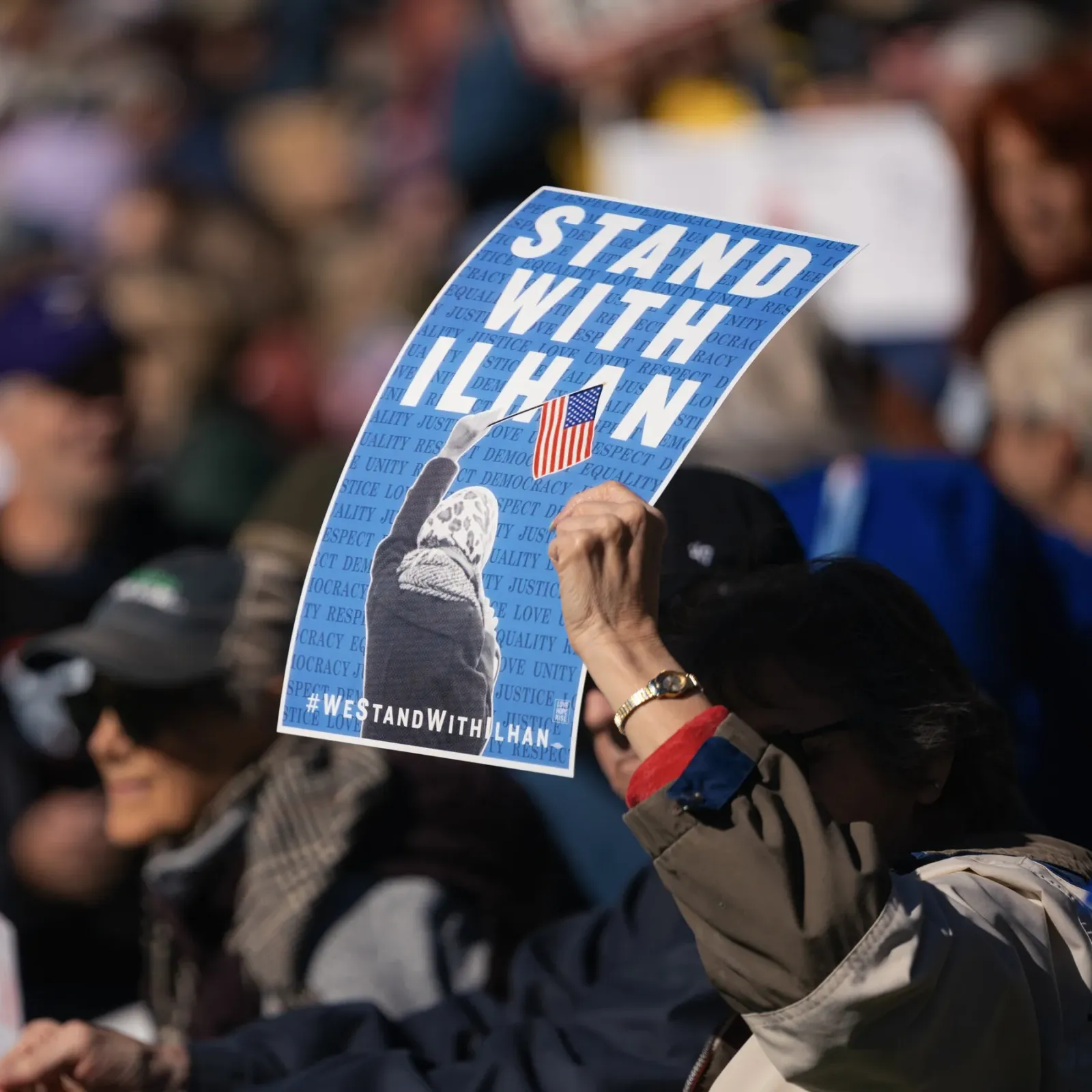
Obama Defends Ilhan Omar After Agents Search Her Home in Trump Inquiry
The former president's intervention raises the stakes in a federal probe into immigration paperwork that has put a prominent progressive lawmaker in the crosshairs.

Blair-era minister: cut welfare to fund youth job support
Alan Milburn's call for welfare cuts to fund employment support opens a Labour fight over benefits and the Neet crisis.
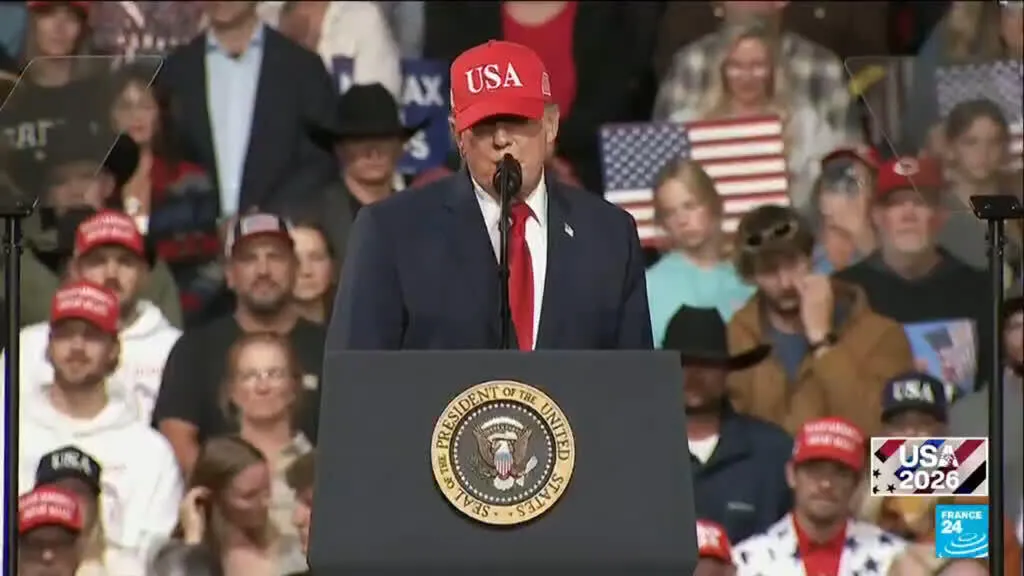
Hot September CPI: energy costs surge, voters feel the squeeze before midterms
The latest inflation print lands as Trump campaigns for GOP control of Congress, putting cost-of-living worries at the center of the midterm fight.