
Times/Siena poll finds Maine’s Senate race tightening, sharpening the fight for control
A new survey shows a close contest in a key Senate battleground, with Senate control as the real prize.
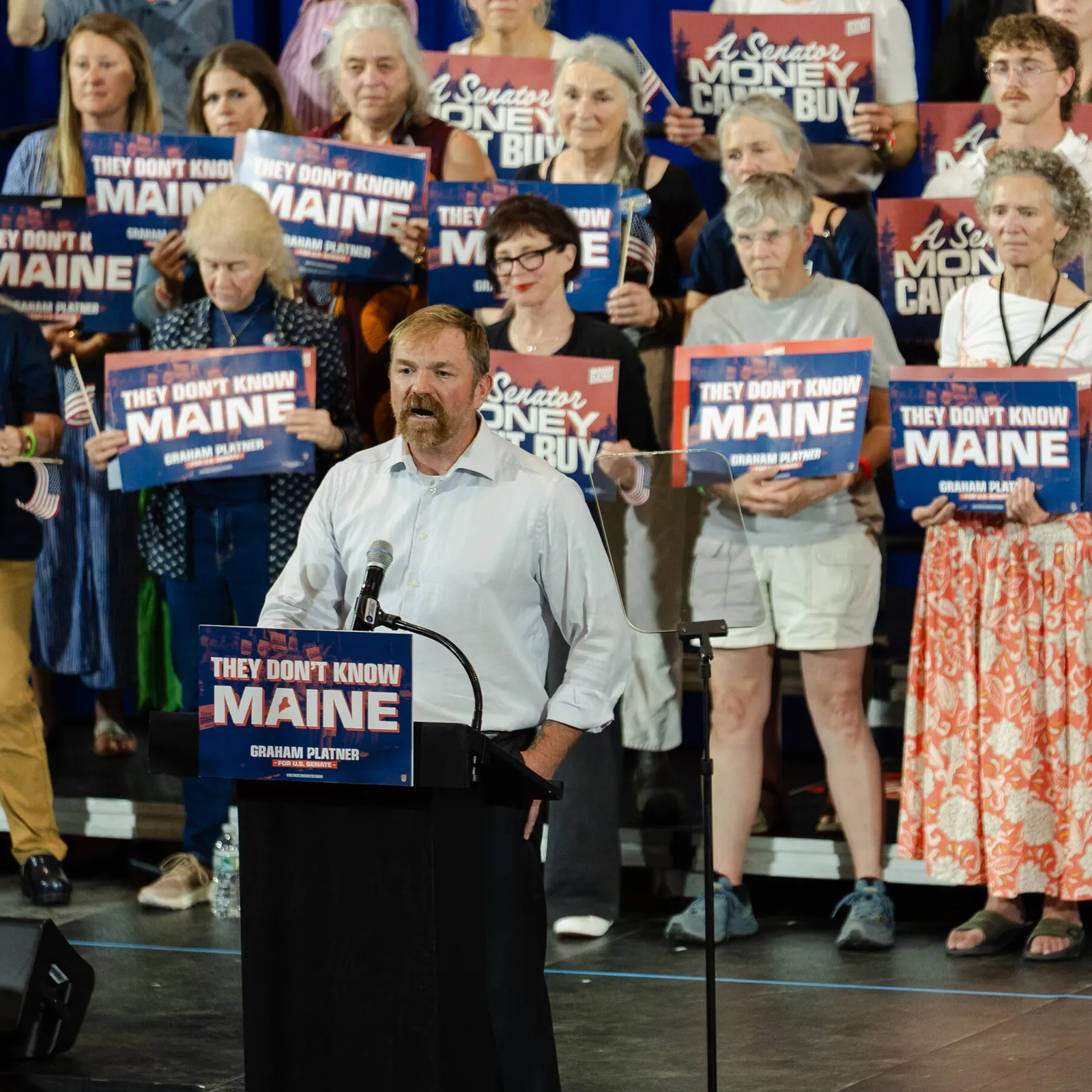
A new New York Times/Siena survey finds Maine’s Senate race is tight in a contest that could shape Senate control. The result raises the odds of a late, high-stakes scramble where every vote and turnout margin matters.
A New York Times/Siena survey shows a tight race in Maine’s Senate contest, and that is not just local flavor. It is the kind of result that can move the math behind Senate control, where the “who wins” question is often decided by states that look quirky, not colossal. Maine’s political contours have never been a one-note storyline. The state is known for running against the grain in both campaigns and coalitions. So when a major polling effort shows the race compressing rather than settling, it signals that the electorate is still in play, and the outcome is not locked.
In other words, this is the early warning signal executives and political watchers should care about: the control narrative is close enough that leaders cannot treat any single contest as settled. When a Times/Siena poll reports a tight race in a key contest for Senate control, it is a direct reminder that small swings can translate into large institutional consequences. Senate control affects what gets scheduled, what passes, and what stalls. It also affects the staffing and negotiating positions of everyone from committee chairs to regulators who translate political priorities into rules, enforcement priorities, and timing.
To understand why a tight Senate race in Maine matters beyond pundit theater, you have to look at how incentives work in the background. In the US system, the Senate is where partisan arithmetic turns policy into procedure. Majority status changes what moves faster, what gets hearings, and how easily bills can clear procedural hurdles. That matters for industries that rely on steady regulatory signals, because rulemaking is rarely just about the text. It is about expectations: how quickly agencies act, whether guidance is issued, and how aggressively enforcement follows compliance timelines.
A lot of executives think about regulatory risk as a probability distribution. Tight races shrink the comfort zone. When polls show competition, markets and boards do not always get a clean “risk on” or “risk off” signal. They get uncertainty, which can mean delays in decision-making, because leadership teams wait for clarity on which party controls the agenda. That is especially true for sectors sensitive to legislative timing, budget approvals, confirmations, or oversight intensity. Even when an executive cannot predict the policy outcome, the range of plausible outcomes gets wider when Senate control is genuinely in the balance.
Polls like the Times/Siena survey also shape campaign behavior, and that second-order effect can loop back into the economy. In close contests, candidates adjust spending, outreach, and messaging in faster cycles. More resources flow toward mobilizing persuadable voters and turning out core supporters. That can shift turnout patterns, which then shifts down-ballot attention and the tone of state-level political engagement. For decision-makers in businesses with policy exposure, campaign intensity can translate into more lobbying activity, more public hearings, and more scrutinizing of corporate statements. None of this requires new legislation to matter. The process itself has momentum.
And there is another nuance: Maine is a state with distinctive political dynamics, which means “national trend” logic often underperforms. A tight race can reflect local candidate strengths, coalition building, or specific voter concerns rather than a generic wave. The consequence for boards and executives is that assumptions based on broader national polling can be misleading. If a key contest tightens, it usually means at least part of the electorate is still persuadable. That makes the endpoint less predictable, which raises the stakes for anyone trying to plan around policy timelines.
Finally, the institutional story behind “Senate control” is where this becomes a governance issue. The Senate majority does not just pass laws. It influences committee leadership and the oversight posture of multiple committees. That can affect confirmations, investigations, and the pace of implementation for existing statutes. For corporate leaders and investors, committee dynamics can change the cadence of hearings and the likelihood of certain regulatory actions reaching fruition. For public stakeholders, it affects whether priorities get converted into enforceable rules or remain aspirational.
So the headline takeaway is simple, and it is exactly what the survey implies: Maine’s Senate race is tight, and that tightness matters because it sits inside the larger contest for Senate control. If the control math is close, then the calendar gets louder. Every vote, every turnout operation, and every late movement can matter, not just in Maine, but in how quickly the country moves on the policy fronts tied to Senate power.
This story's Key Insights and Take-aways are locked.
Create a free account to unlock Executive Actions for one credit.
Register to UnlockAlways free for Executives Club members. Join the Club
More in Politics
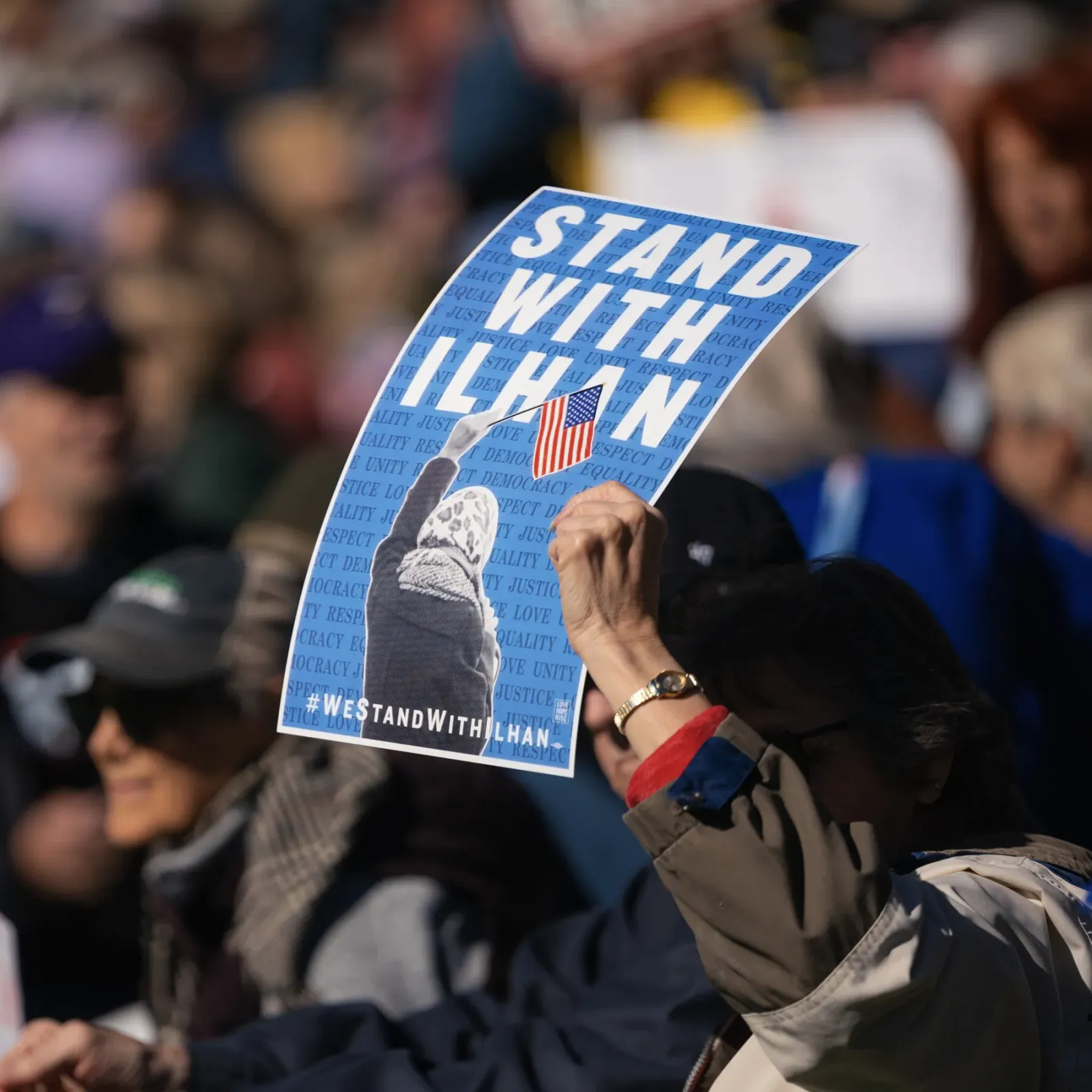
Obama Defends Ilhan Omar After Agents Search Her Home in Trump Inquiry
The former president's intervention raises the stakes in a federal probe into immigration paperwork that has put a prominent progressive lawmaker in the crosshairs.

Blair-era minister: cut welfare to fund youth job support
Alan Milburn's call for welfare cuts to fund employment support opens a Labour fight over benefits and the Neet crisis.
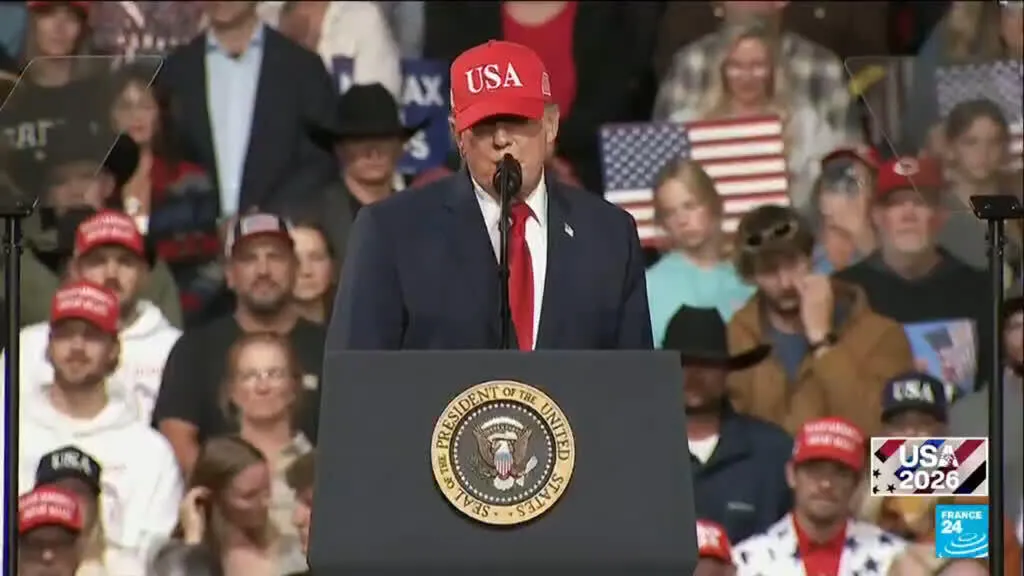
Hot September CPI: energy costs surge, voters feel the squeeze before midterms
The latest inflation print lands as Trump campaigns for GOP control of Congress, putting cost-of-living worries at the center of the midterm fight.