
Tou Lue Vang’s Minnesota pardon cleared the way for ICE deportation after sex-abuse conviction
A Minnesota pardon for Tou Lue Vang triggered a political fight over whether pardons can block federal removal.
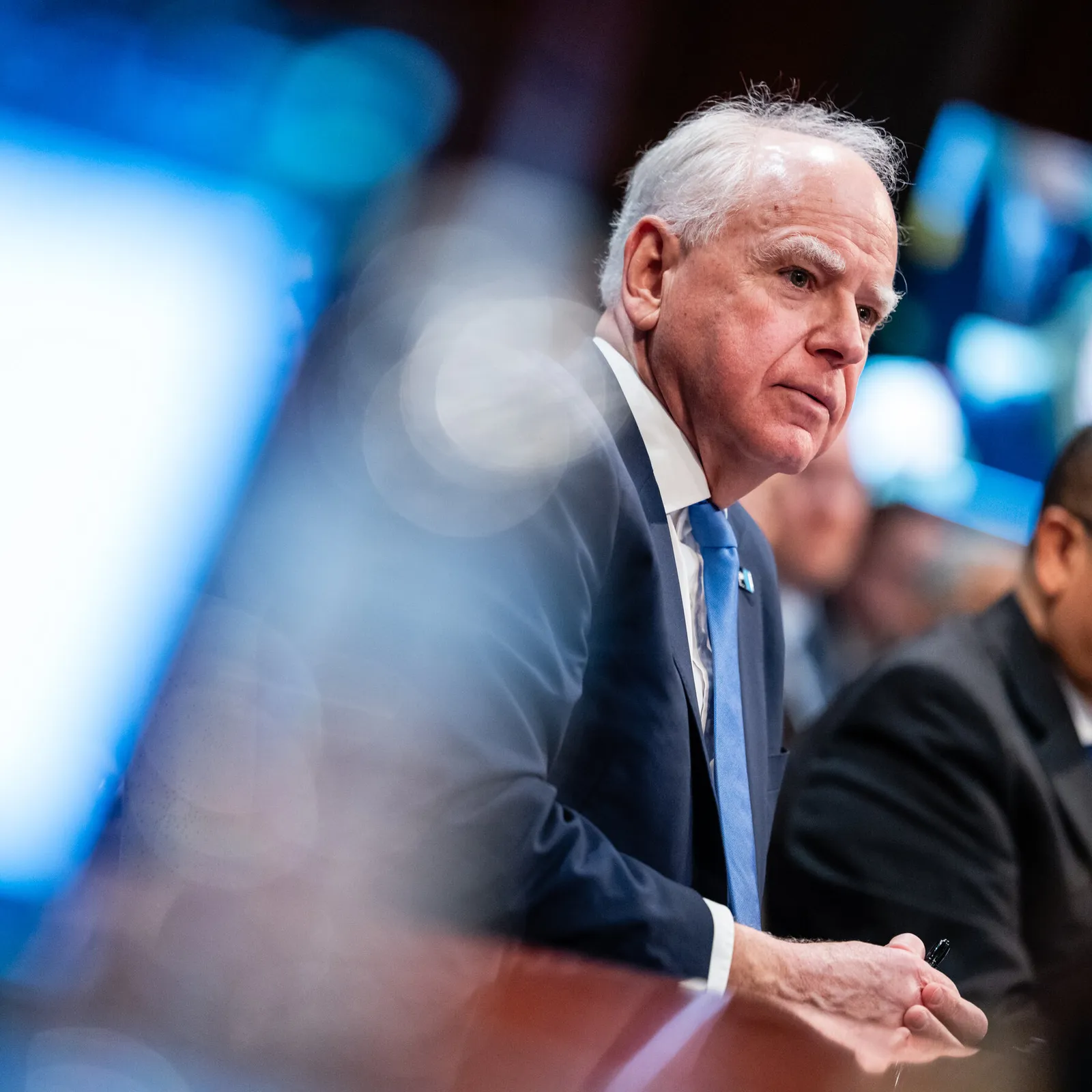
Minnesota state officials granted a pardon to Tou Lue Vang, a Hmong man, after his sex-abuse conviction. ICE deported him, intensifying criticism that Democratic leaders were thwarting efforts to expel criminals.
Minnesota state officials granted a pardon to Tou Lue Vang, a Hmong man, after a sex-abuse conviction. The decision did not end the story. Instead, the pardon became a flashpoint as ICE moved to deport him, drawing criticism that Democratic leaders were thwarting efforts to remove criminals.
For decision-makers, the practical lesson is uncomfortable but clear: a state pardon is not a magic eraser for federal immigration enforcement. When federal agencies like ICE pursue removal based on criminal grounds, state-level clemency can collide with a separate, federal legal framework. That collision is exactly what critics highlighted, arguing that Democratic leaders were undermining expulsion efforts. The underlying tension is not academic. It shapes whether enforcement teams, courts, and lawmakers can predict outcomes when state authorities exercise broad discretion.
To understand why this matters beyond one case, it helps to see how incentives and authority are split in the US system. States can grant pardons for state convictions and, depending on circumstances, can influence public and political narratives around rehabilitation and fairness. But immigration consequences are administered under federal law. ICE operates on its own statutory mandates and evidentiary thresholds, and it is not simply taking orders from a state's moral judgment. That is the core second-order impact here: when state and federal systems disagree on what “justice” looks like, the person caught between them becomes the headline, and the uncertainty becomes the policy cost.
This case also lands inside a familiar political storyline. Minnesota officials granted the pardon, and the move drew criticism that Democratic leaders were “thwarting” efforts to expel criminals. In other words, the pardon was framed as either a humane correction or a blockage, depending on who was talking. For executives, boards, and operators watching from the sidelines, the corporate parallel is straightforward: when governance layers do not align, reputational risk multiplies. People do not remember the fine legal structure. They remember the conflict.
There is also a communications and stakeholder-management angle. When high-profile legal actions happen, they often prompt reactions from advocacy groups, legislators, and the media. Those reactions then influence how institutions are expected to behave next. In this story, the public debate centers on whether pardons should prevent deportation or whether federal removal should proceed regardless. Even if the legal answer is rooted in jurisdiction, the political answer is rooted in messaging, and messaging can become its own form of pressure on institutions.
Finally, the strategic stake extends to leaders in regulated environments generally, not just in government. This is what regulatory fragmentation looks like in real time. One authority makes a decision, another authority proceeds on its own basis, and the result is a gap between intent and outcome. For boards and compliance teams, that gap can translate into higher uncertainty, more escalations, and more need for scenario planning.
The takeaway for decision-makers is not to assume that a single legal remedy will settle everything. In cases like this, where state clemency intersects with federal enforcement, executives should expect friction between systems with different mandates. The policy and reputational consequences do not stay neatly inside one branch of government, and neither do the criticisms. When you operate near compliance, enforcement, or public trust, the Tou Lue Vang pardon-then-deportation sequence is a reminder: authority boundaries matter, and so do the narratives that form when those boundaries are tested.
This story's Key Insights and Take-aways are locked.
Create a free account to unlock Executive Actions for one credit.
Register to UnlockAlways free for Executives Club members. Join the Club
More in Politics
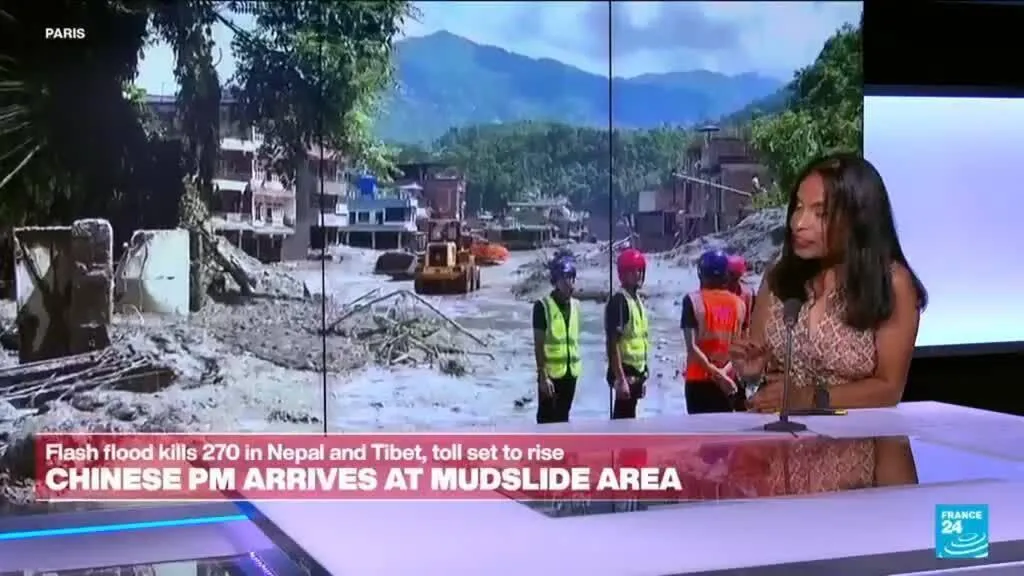
Glacial collapse, not rain, killed 180 in Nepal's Himalayan flood
The Himalaya's extreme geography hid the true cause of Nepal's catastrophic flood, a glacial collapse that turned a geological battleground into a mass-casualty zone.

Iran’s Esmail Baghaei says Oman talks start shipping via Hormuz, not US talks yet
Temporary route plans with Oman aim to restart commerce while Tehran says Washington dialogue is not on the table.

Standards watchdog opens probe into Reform UK deputy leader Richard Tice over interests
The parliamentary standards commissioner says it began an investigation on 28 July into a possible undeclared interest.