
Truman felt trapped in 1948, as pro-Israel lobbying split his own White House
A new book traces how the Zionist foreign-policy lobby shaped US presidents for nearly 80 years, starting with Truman’s 1948 deadlock.
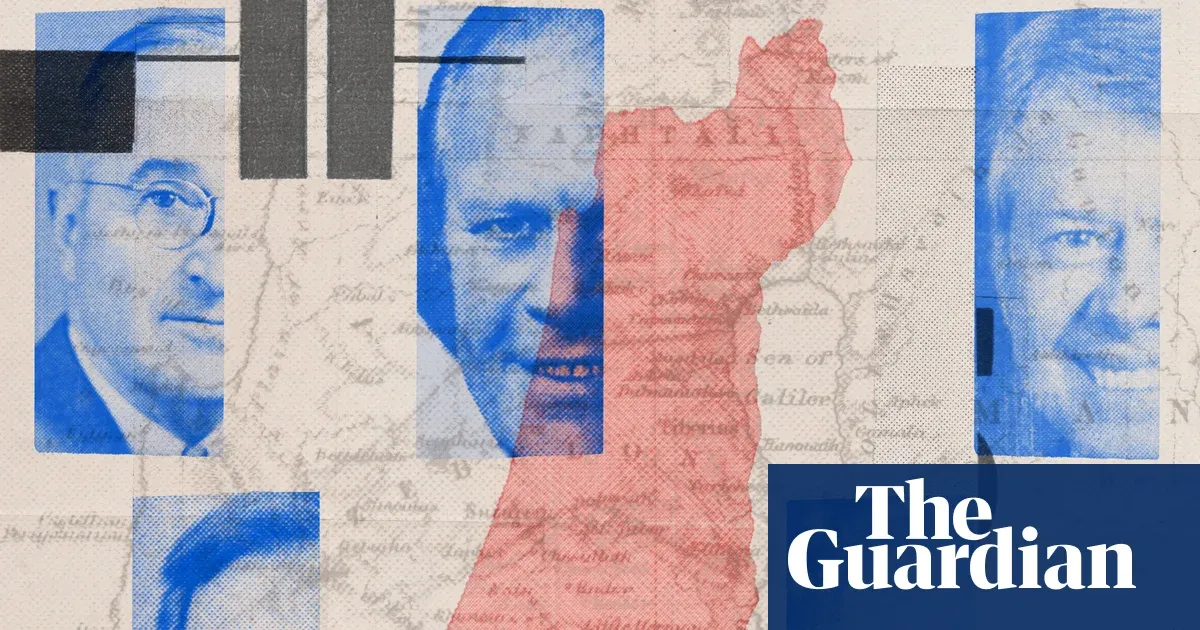
In 1948, amid war raging in Palestine, President Harry Truman faced pressure from Zionist lobbyists and domestic advisers to support a Jewish state. His foreign-policy leadership, led by Secretary of State George C Marshall, unanimously urged the opposite to prevent a Middle East war.
In 1948, Harry Truman wasn’t just making a foreign policy call. He was stuck, politically cornered, while war raged in Palestine and domestic advisers pushed for a Jewish state “in as much of Palestine as possible.” The new book discussed in this Guardian piece tracks how the pro-Israel foreign-policy lobby gained influence across nearly eight decades, and it starts with Truman’s exact moment of pressure and uncertainty.
On one side were Zionist lobbyists and Truman’s own domestic political advisers. Their thrust was clear: support the establishment of a Jewish state across the widest possible portion of Palestine. On the other side were Truman’s top foreign policy and national security officials, led by the secretary of state, George C Marshall. In the book’s account, their recommendation was unanimous and opposite in direction, aimed at preventing the establishment of a Jewish state because they believed it would trigger war in the Middle East and endanger the future of US relations with the Arab and Muslim world.
That split matters beyond history trivia. It shows a recurring governance challenge in US foreign policy: when a president is under pressure from powerful advocates, the internal system can fracture along role lines. Domestic political advisers optimize for coalition maintenance, electoral incentives, and public alignment. Foreign policy and national security leaders optimize for risk management, alliance stability, and longer-term strategic consequences. In Truman’s case, both sides were operating inside the same building, and the stakes were not abstract. The decision was about whether an event likely to ignite regional war would happen now, and whether US relationships with Arab and Muslim societies would be placed on a more hostile trajectory.
For executives and board members who live in decision environments with competing stakeholders, this is a useful mirror. Corporate strategy often includes the same internal tug-of-war, just with different labels. You have revenue-focused teams, compliance and risk teams, and leadership tasked with making tradeoffs under time pressure. Truman’s 1948 deadlock is a template for how “powerful lobbies” do not simply lobby from the outside. They can shape what information gets elevated, which options look politically feasible, and which internal voices are amplified.
The book’s framing in the Guardian piece also raises a second-order implication: once a lobby becomes influential, it can start shaping not only outcomes but expectations. Presidents who have seen the lobby’s track record may calibrate their moves in anticipation of internal and external pushback. That means decision-makers can feel they are not just choosing a policy, but also responding to a political weather system that has history. In other words, lobbying can move the Overton window, and then the window moves with it.
There is also a regulatory and institutional subtext here, even though the story is about foreign policy rather than corporate rulemaking. In the US system, national security decisions are routed through official channels, staffed by experts and validated by institutional authority. Meanwhile, political advocacy works through domestic influence networks. When a lobby becomes “the most powerful foreign policy lobby in US history,” as the Guardian describes, it suggests the boundary between advocacy and official recommendation can blur in practice, even if it is institutionally distinct.
And the stakes do not stop with Truman. The Guardian piece emphasizes that the pro-Israel lobby “has swayed US presidents since Truman” and that the book follows “the growth over nearly eight decades” of that influence. That arc is a reminder to any leadership team that governance does not happen in a vacuum. External stakeholders with sustained access can build momentum across administrations, meaning a president’s personal preferences may matter less than the infrastructure surrounding those preferences.
For peers in leadership roles dealing with high-stakes stakeholder pressure, the takeaway is uncomfortable but clarifying: internal dissent does not automatically win. Even when foreign-policy and national-security officials, led by George C Marshall, are unanimous in recommending prevention, political dynamics can still pull toward the other side, driven by lobbyists and domestic advisers. Truman’s 1948 trapped position, as laid out here, is the early chapter of a longer story where decisions are shaped by who can credibly define the risk and who can credibly define the politics.
This story's Key Insights and Take-aways are locked.
Create a free account to unlock Executive Actions for one credit.
Register to UnlockAlways free for Executives Club members. Join the Club
More in Politics
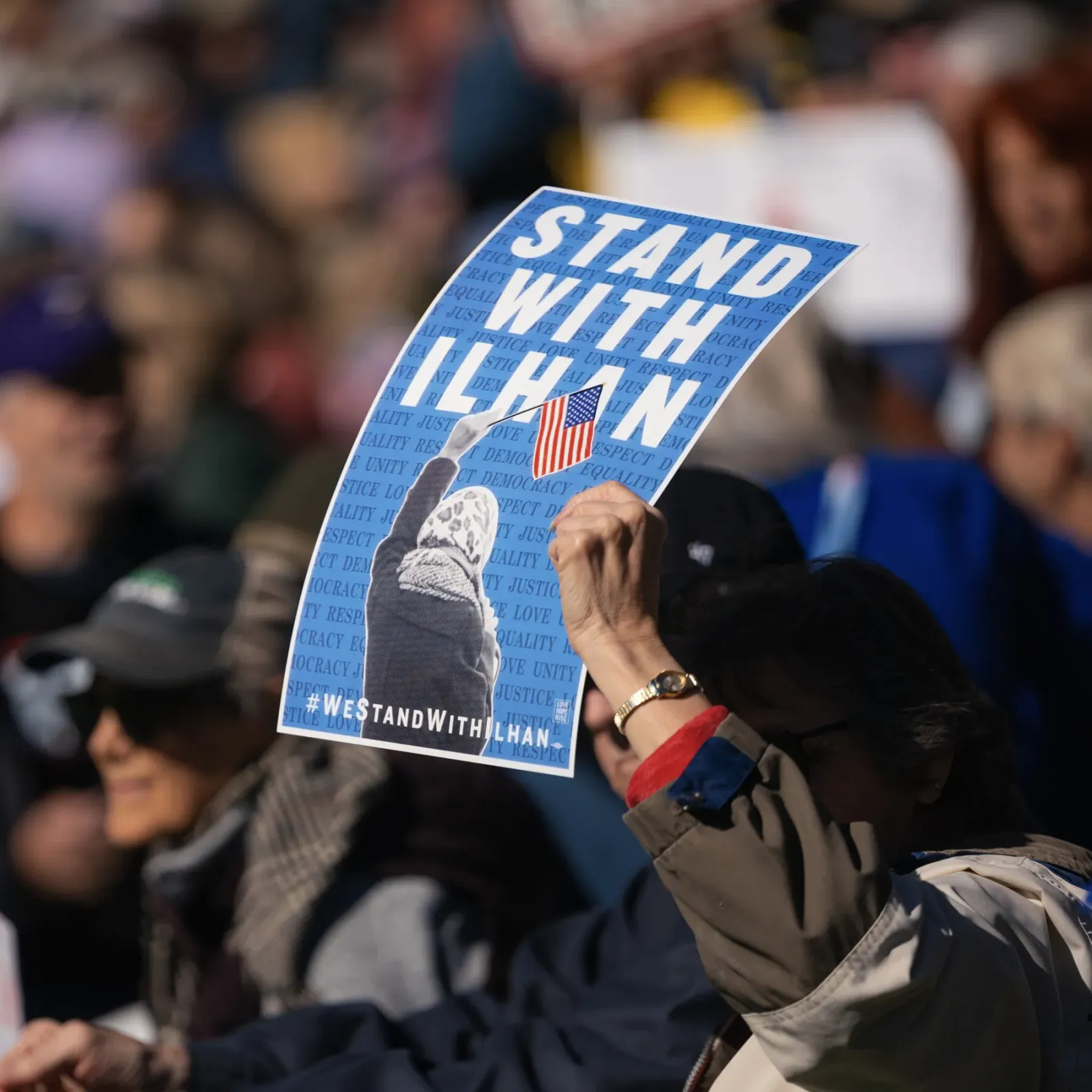
Obama Defends Ilhan Omar After Agents Search Her Home in Trump Inquiry
The former president's intervention raises the stakes in a federal probe into immigration paperwork that has put a prominent progressive lawmaker in the crosshairs.

Blair-era minister: cut welfare to fund youth job support
Alan Milburn's call for welfare cuts to fund employment support opens a Labour fight over benefits and the Neet crisis.
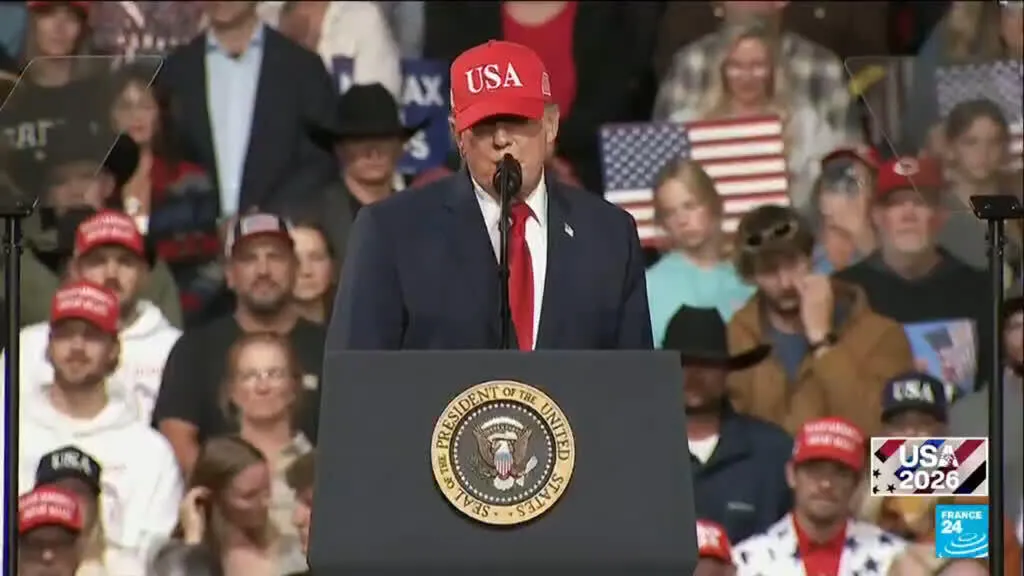
Hot September CPI: energy costs surge, voters feel the squeeze before midterms
The latest inflation print lands as Trump campaigns for GOP control of Congress, putting cost-of-living worries at the center of the midterm fight.