
Trump blames Minnesota for cyberattack on water systems, despite investigators pointing to Iran
A high-visibility security claim collides with an investigation leaning Iran, turning state infrastructure risk into political risk.
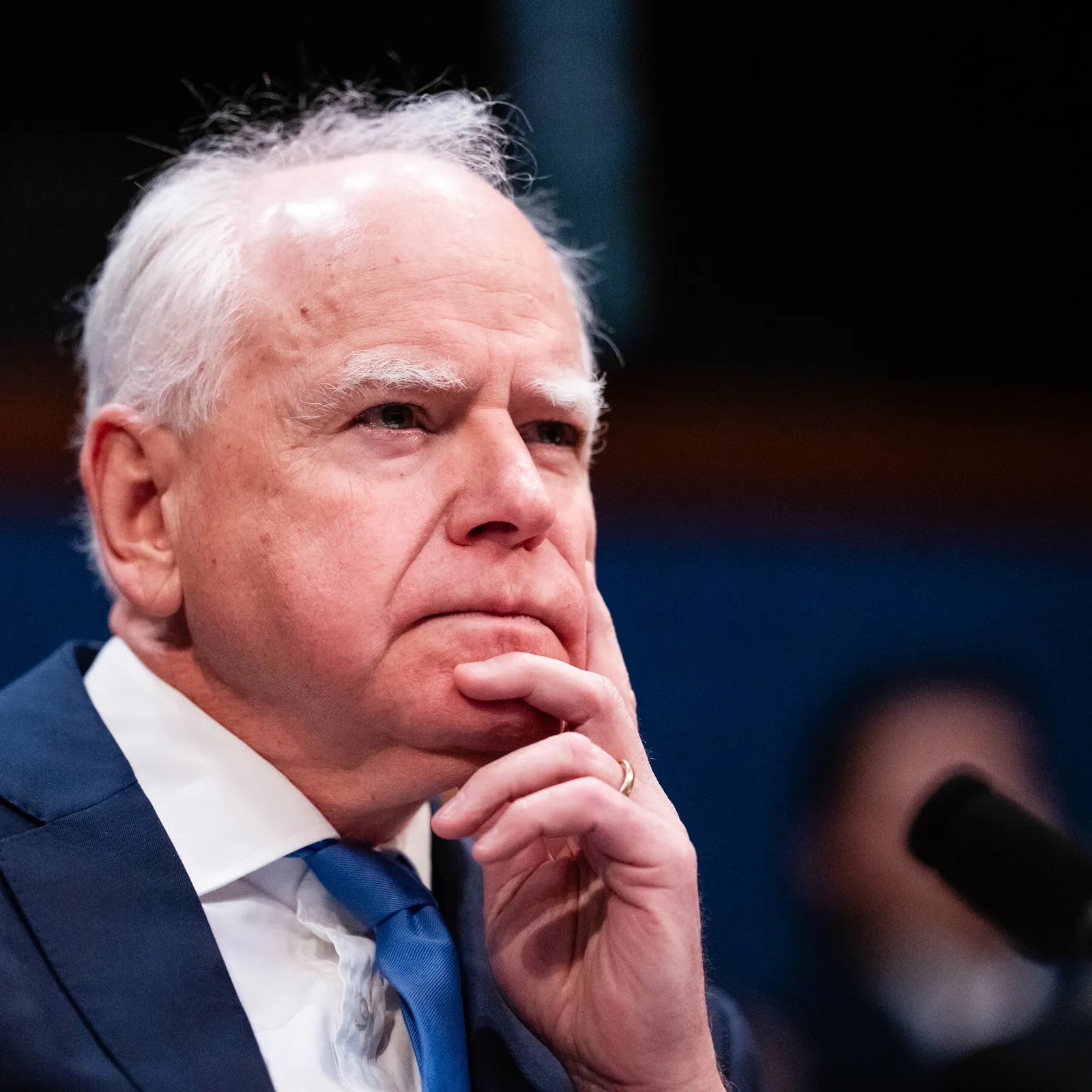
President Trump said Minnesota’s Democratic government was behind a cyberattack targeting the state’s own water systems. Investigators believe Iran is likely responsible, creating consequences for how leaders talk about, fund, and regulate critical infrastructure security.
President Trump claimed, without evidence, that Minnesota’s Democratic government was behind a cyberattack targeting the state’s own water systems. The same episode is being handled differently in the investigation: investigators believe Iran is likely responsible.
That mismatch matters because it is not just a messaging dispute. When a president publicly assigns blame without evidence while investigators lean toward a foreign threat actor, it can reshape how officials prioritize remediation, how regulators communicate, and how boards and executives think about the likelihood of adversarial behavior aimed at “home territory.” In critical infrastructure, perception quickly becomes policy, and policy quickly becomes budget.
Cyberattacks on water systems are the kind of risk that most leaders do not want to explain in hindsight. Water infrastructure sits at the intersection of physical safety and digital control. That means an attack is not limited to service disruption and reputational damage, it can also raise the stakes for compliance, incident reporting, insurance terms, and operational continuity planning. Even if an incident does not cause physical harm, it often forces organizations to show they can detect, contain, and recover fast.
Historically, security investigations frequently take time, and early public narratives can evolve as evidence accumulates. But in this case, the headline tension is immediate: Trump’s claim points inward, at Minnesota’s “Democratic government,” while investigators’ current assessment points outward to Iran. From an executive perspective, the second-order problem is that different blame assignments can lead to different remediation emphases. If leadership frames the incident as primarily domestic political sabotage, it risks underplaying the foreign threat model. If leadership frames it as foreign state-linked activity, it can change how incident response teams interpret indicators, how they coordinate with federal agencies, and how they prioritize long-term hardening.
There is also a governance and coordination angle that executives cannot ignore. State systems are often operated by local or state entities, but federal agencies and national security frameworks can be involved when a foreign actor is suspected. If political leaders are seen to contradict an investigator’s likely attribution, it can complicate cross-level cooperation. Agencies and operators may still coordinate, but the public record can make it harder to get unanimous messaging, and that can slow down information sharing during an active incident lifecycle.
For boards and senior management teams, the practical consequence is that cyber risk is never only technical. It is also political, regulatory, and reputational. A cyberattack on water infrastructure triggers the question, “What did we know, and when did we know it?” That question becomes sharper when public statements assign culpability before evidence is fully established. In the wake of incidents, boards often face pressure to demonstrate that they have threat-informed security programs, incident response plans, and clear decision rights. They also face scrutiny about whether communication protocols align with investigation timelines.
The international dimension adds another layer. The belief among investigators that Iran is likely responsible signals a threat environment where state-linked actors target public services. That is not just a law-and-order story. It influences procurement decisions, vendor risk management, segmentation strategies, and tabletop exercises for continuity. It also affects how leaders evaluate the balance between immediate fixes and systemic upgrades, because state-linked actors typically aim to test, persist, and exploit weaknesses across time.
So the stakes for executives and decision-makers extend well beyond Minnesota. A high-profile public attribution by a top political figure can ripple into how other states, utilities, and critical infrastructure operators think about messaging, escalation, and regulatory engagement. If leaders downstream focus too heavily on domestic blame narratives, they could miss the opportunity to align defenses with the most probable threat actors. And if leaders overcorrect toward a foreign blame narrative without operational evidence, they can still misallocate resources and undermine trust internally.
In other words: the real story is not only who investigators think is behind the attack. It is what happens when public blame and investigatory attribution diverge, right as critical infrastructure teams must make fast decisions about defense, disclosure, and recovery.
This story's Key Insights and Take-aways are locked.
Create a free account to unlock Executive Actions for one credit.
Register to UnlockAlways free for Executives Club members. Join the Club
More in Politics
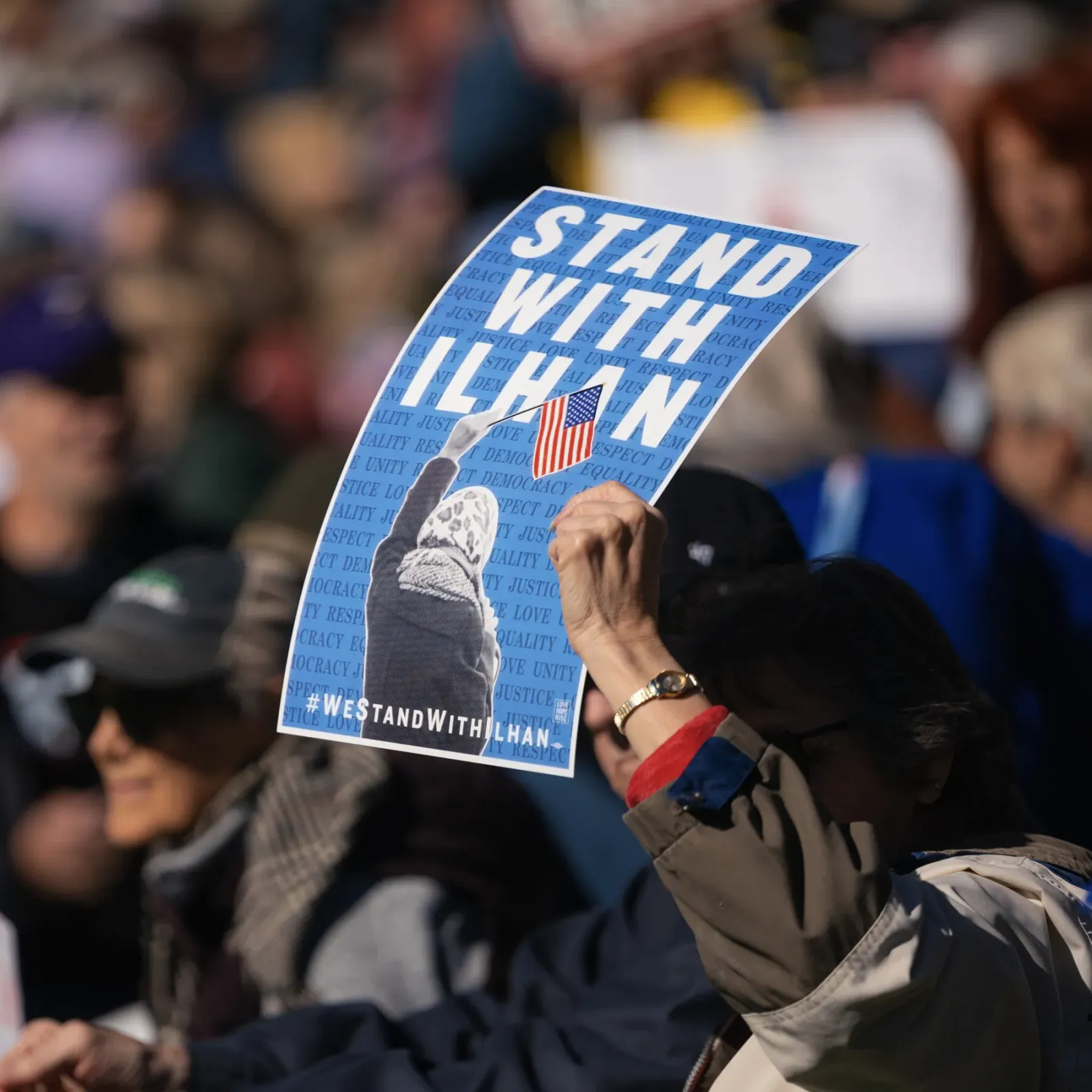
Obama Defends Ilhan Omar After Agents Search Her Home in Trump Inquiry
The former president's intervention raises the stakes in a federal probe into immigration paperwork that has put a prominent progressive lawmaker in the crosshairs.

Blair-era minister: cut welfare to fund youth job support
Alan Milburn's call for welfare cuts to fund employment support opens a Labour fight over benefits and the Neet crisis.
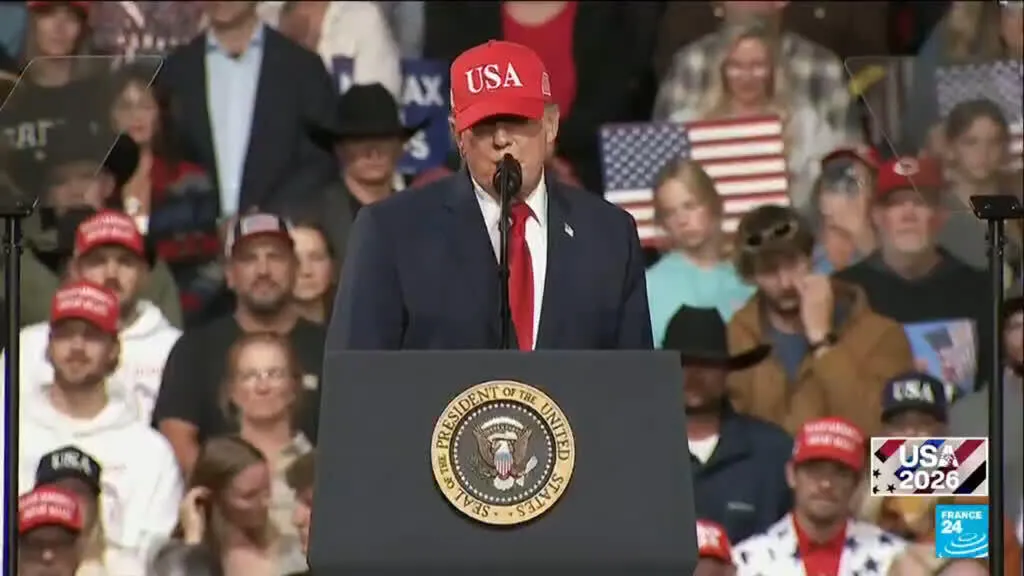
Hot September CPI: energy costs surge, voters feel the squeeze before midterms
The latest inflation print lands as Trump campaigns for GOP control of Congress, putting cost-of-living worries at the center of the midterm fight.