

Trump cancels a housing bill ceremony and demands SAVE America first, then scrambles
A war with Iran, plunging poll numbers, and a filibuster fight collide, exposing a GOP that is starting to defy him.
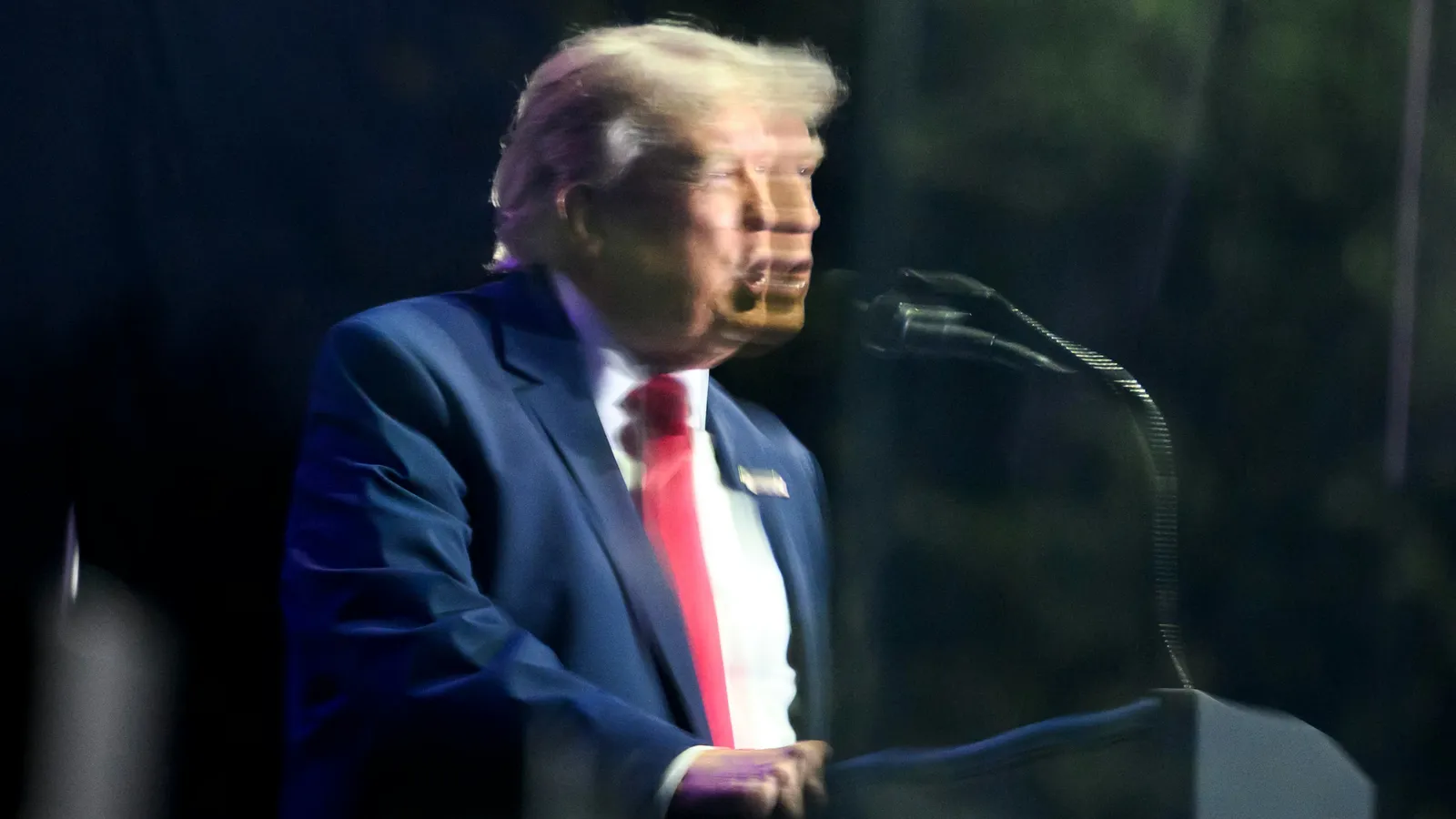
President Trump abruptly canceled a ceremony to sign a major housing bill, then demanded Senate Republicans pass the partisan SAVE America Act first. The scramble is a live test of whether Trump can still control the party's legislative agenda while his Iran strategy and midterm prospects unravel.
A rare, bipartisan housing bill signing was supposed to be a win for momentum. Instead, President Trump abruptly canceled the ceremony and told Senate Republicans to pass the partisan SAVE America Act first. The demand did not land as a unifying message. It helped spark a loud intraparty showdown that spilled into public view, including a confrontation with Senator Bill Cassidy and reports that Trump told him to “sit down.”
That one decision answers a bigger question the White House has been trying to control for months: can Trump still drive outcomes in Washington once chaos stops looking like a strategy and starts looking like a problem? The Atlantic describes a week where Trump was already losing the narrative around a war with Iran that increased prices for Americans and weakened the country’s standing in the world, even as he tried to spin the deal as a victory and floated threats of resuming bombing if Iran does not comply. The cancellation of the housing bill was part of the same pattern: pressure tactics aimed at his own party, when broader control is harder than it used to be.
Here is the backdrop executives and board members should care about, even if they are not in politics. Trump previously benefited from unpredictability as a political superpower, quickly changing the national conversation to throw opponents off-balance. But the source lays out a shift: poll numbers have plummeted, Republicans fear a November wipeout, and members of the GOP are beginning to defy him. That is not just personal drama. When party discipline breaks, the legislative pipeline gets less reliable, and uncertainty becomes policy.
The Iran track matters because it is now tied to pricing pressure and international leverage. A memorandum of understanding signed last week extended a shaky cease-fire and led to an initial round of negotiations involving Vice President Vance. The issues that remain include the fate of Iran’s uranium-enrichment program and its control over the Strait of Hormuz, with negotiations that could take many months. That timeline is politically inconvenient. The source notes that Trump has been bored of the war for a while and that in the West Wing there was a race to be done with it. Yet Iran has proved “anything but cowed,” and Trump has repeatedly defended the deal on Truth Social while seething about comparisons with the agreement struck by Obama more than a decade ago. Even the possibility of future bombing is treated as a threat that few take seriously.
Inside Washington, the political calculus is blunt: many in Trump’s orbit believe the war will not have much political staying power, and they are focused less on long-term Middle East ramifications and America’s international relationships, and more on the midterms. The hope is that the strait will reopen, gas prices will fall, and bombs will not need to fall again. But so far, the narrative control attempts are not working. The war is still shaping sentiment, and sentiment shapes budgets, risk appetite, and the willingness of institutions to cooperate.
At the same time, tensions between Trump and Senate Republicans have been building for months, and yesterday’s housing bill cancellation turned that simmer into a full boil. The source explains the specific legislative friction: Trump irked party leaders by endorsing a primary opponent to Senator Bill Cassidy, then infuriated them by snubbing Senator John Cornyn of Texas in favor of scandal-plagued primary challenger Ken Paxton, a move that appeared to seal Cornyn’s doom in last month’s primary runoff. Senate Majority Leader John Thune had strongly backed Cornyn, and the party’s campaign arm reportedly spent millions to boost his candidacy before Trump undercut them.
Then came the SAVE America Act push, paired with Trump’s insistence on circumventing or scrapping the filibuster’s 60-vote threshold. The source notes Republicans have never had a majority that supports eliminating the filibuster, and Trump’s refusal to accept that reality has frustrated senators. The intraparty split is also fed by retirements and what the source calls the “YOLO Caucus” in the Senate, where members like Cassidy, Cornyn, and Thom Tillis (who announced retirement after declaring opposition to the One Big Beautiful Bill Act last year) feel more liberated to oppose and criticize Trump. Tillis is cited trashing some of Trump’s ideas and appointees, calling Bill Pulte, the acting director of national intelligence, “an incompetent sycophant.” Cassidy decried the administration’s deal with Iran as “the worst foreign policy blunder in decades.”
Yesterday is where it peaked. Trump demanded Republicans pass SAVE America first as a condition for his approval of the housing bill. In a meeting with Senate Republicans in the Capitol, Trump berated them for allowing, through “a combination of defections and absences,” the passage of a resolution seeking to constrain his ability to wage war on Iran. Cassidy confronted him over the Iran deal, and the two got into a loud argument in which Trump at one point reportedly told the senator to “sit down.” Cassidy then told reporters, “I make no apologies for standing up to the president,” and said he was “sticking up for the American people, even if I’m speaking to the president.” Trump, predictably, framed the meeting as a success, claiming, “We had a really great meeting,” adding that he likes the party and “everybody in the room,” even if he “don’t like a few people.”
By nightfall, the source reports a temporary easing: the Senate took a symbolic revote of the war-powers resolution and defeated it. But that is where the executive lesson lands. Temporary tactical wins do not erase the underlying incentives that are now misaligned. If Senate Republicans see the midterms as the real clock, and if filibuster math and election risk limit what they can safely support, then even high-tempo, high-pressure demands from the president may stop producing results. For executives watching political risk, the second-order implication is straightforward: when party actors start treating Washington as transactional, policy timelines get shakier, oversight priorities can swing, and uncertainty becomes a standing condition rather than a temporary market reaction.
This story's Key Insights and Take-aways are locked.
Create a free account to unlock Executive Actions for one credit.
Register to UnlockAlways free for Executives Club members. Join the Club
More in Politics
Obama Defends Ilhan Omar After Agents Search Her Home in Trump Inquiry
The former president's intervention raises the stakes in a federal probe into immigration paperwork that has put a prominent progressive lawmaker in the crosshairs.

Blair-era minister: cut welfare to fund youth job support
Alan Milburn's call for welfare cuts to fund employment support opens a Labour fight over benefits and the Neet crisis.
Hot September CPI: energy costs surge, voters feel the squeeze before midterms
The latest inflation print lands as Trump campaigns for GOP control of Congress, putting cost-of-living worries at the center of the midterm fight.