
Trump drops Strait of Hormuz tolls after Gulf leaders push back
A proposed toll plan is shelved again, shifting leverage in one of the world’s most critical shipping chokepoints.
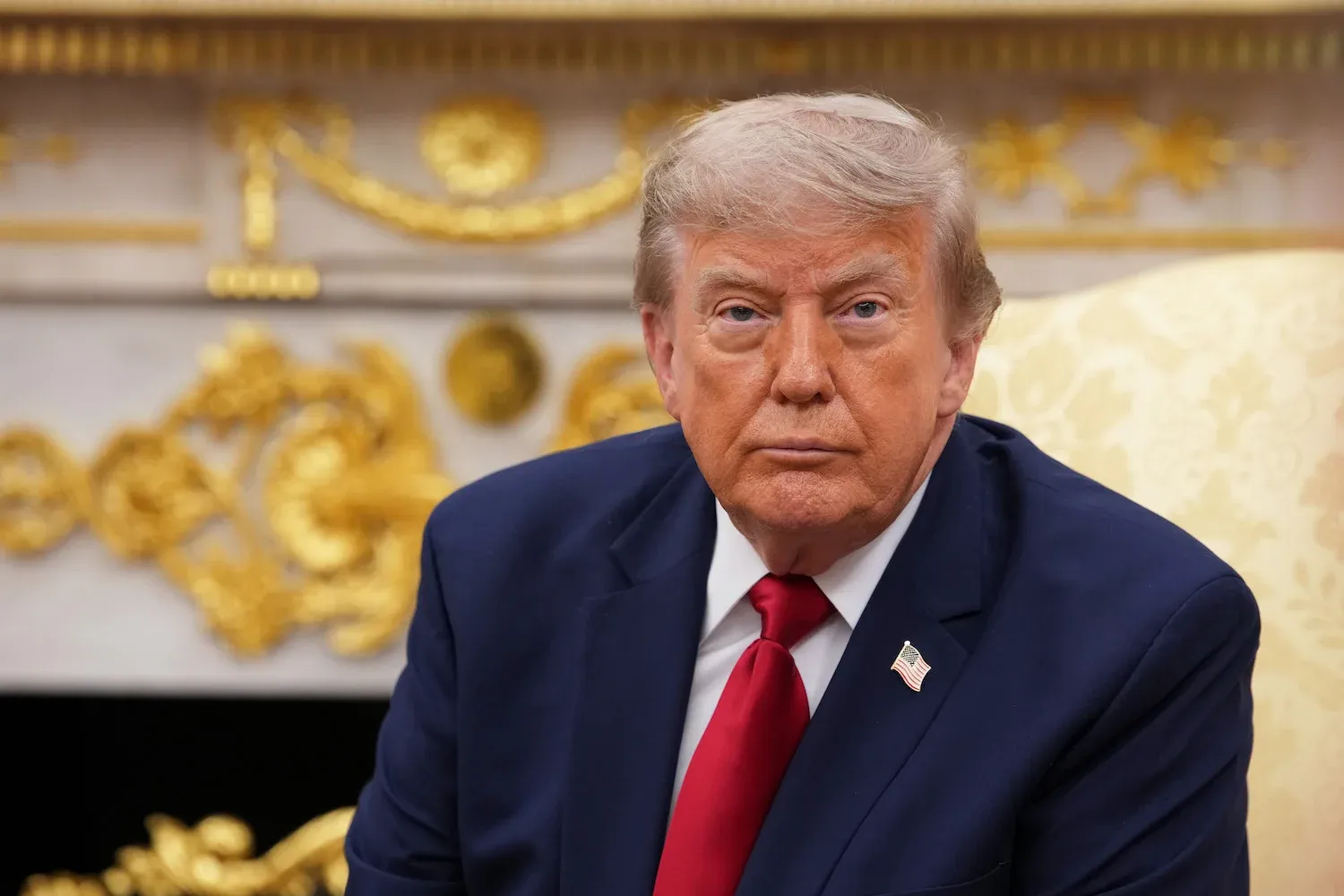
Donald Trump abandoned proposed tolls for the Strait of Hormuz after pressure from Gulf leaders. For decision-makers, the pivot changes how governments, shipping firms, and insurers model risk and costs in a chokepoint economy.
Pressure from Gulf leaders prompted Trump to abandon proposed tolls. That sounds like a diplomatic footnote, but in practice it is a real-world signal to anyone pricing trade risk: when regional stakeholders push back, U.S. policy can reverse quickly, especially on high-sensitivity maritime chokepoints.
The Strait of Hormuz is not just geography. It is one of the planet’s essential arteries for energy and trade, where shipping flows, insurance assumptions, and supply chain schedules can all react to policy moves. So when tolls enter the conversation, even as proposals, they create a new variable for downstream costs and operational planning. Trump’s pivot away from those proposed tolls, driven by pressure from Gulf leaders, removes that specific cost mechanism from the table.
To understand why this matters beyond headlines, you have to think like a board and a CFO. Government-backed infrastructure charges, transit fees, or toll-like policies are the kind of change that can ripple through contracted pricing, hedging assumptions, and even route decisions. In the shipping world, many costs are negotiated and budgeted ahead of time, then re-priced when the risk landscape shifts. A toll proposal would have forced counterparties to ask: who pays, when does it start, what documentation is required, and how might enforcement work in practice? Even if the tolls never materialize, the planning friction can still show up in how businesses model contingency scenarios.
There is also a regulatory and political layer. Straits and maritime routes are typically governed by a mix of international norms and national policies, and they are sensitive because they sit at the intersection of sovereignty, security, and commerce. Gulf leaders applying pressure suggests they were not merely annoyed by the idea, they were actively shaping the outcome. When regional governments move against a proposal, it often reflects concern about precedent, domestic political optics, and control over how transit rules are set. In other words, the veto power might not be formalized as a single legal document in the story, but the leverage is real.
Second-order implications land hardest on companies that are too big to ignore chokepoints but too exposed to absorb surprises. Shipping operators, energy traders, logistics providers, and insurers all share the same headache: they need predictable rules to keep balance sheets stable. If tolls are proposed and then abandoned, the market doesn’t just “move on.” It learns from the reversal. It learns which actors can apply pressure. It learns which policy instruments can be taken off the table. And it updates risk models accordingly, not only for the specific toll proposal, but for the next policy discussion in the same theater.
For peers and executives in similar roles, the lesson is about the speed and direction of policy change. A plan can surface, face targeted pushback, and get dropped without a prolonged runway. That means planning cycles for international trade and security-linked policy cannot rely on a single timeline assumption. Instead, scenario planning needs to treat regional stakeholder pressure as an active variable, not background noise.
Finally, there is the strategic signaling. By dropping proposed tolls after Gulf leaders pressured the effort, the outcome reinforces that U.S. strategy around Hormuz is not purely unilateral. It is negotiated through regional dynamics. For executives, that affects how you think about future coordination, procurement, and compliance needs tied to maritime security. The immediate action is a retreat from tolls, but the longer-term stake is broader: how governments will use economic tools, and how quickly those tools can be redirected when regional influence mobilizes.
This story's Key Insights and Take-aways are locked.
Create a free account to unlock Executive Actions for one credit.
Register to UnlockAlways free for Executives Club members. Join the Club
More in Politics

LA County: DOJ's 20,000 'noncitizen' voter list is 'unreliable,' includes U.S.-born
Preliminary review by Los Angeles County election officials finds errors in the federal list, raising the stakes for voter roll integrity ahead of November.

Trump's $1.5B Pentagon chip investment lands in North Carolina
A $1.5 billion defense infusion for North Carolina chipmaking signals a new era of Pentagon-backed reshoring - here's what it means for the industry.

Nigeria confirms first Ebola case in Abuja, a woman just off a Uganda flight
Health Minister Muhammad Ali Pate says the patient flew in from Uganda, putting Africa's latest outbreak on Nigeria's doorstep.