

Trump holds new Iran strikes if a deal arrives fast, after Saudi MBS calls
The US pause hinges on “rapidly mak[ing] a deal,” as Saudi and Iran warnings raise the risk around shipping.

Donald Trump said the US would hold off on any new strikes on Iran if a deal to end the months-long conflict is quickly reached. The reversal came after Saudi crown prince Mohammed bin Salman raised concerns and as Iran warned neighbors of decisive retaliation.
Donald Trump said on Saturday night that the US would hold off on any new strikes on Iran provided a deal to end the months-long conflict is quickly reached. In his framing, the delay is “subject to being able to rapidly make a deal,” a condition that signals urgency, leverage, and a willingness to pause kinetic pressure when diplomacy can move fast enough.
This is the president’s latest climbdown from prior extravagant threats to strike the Tehran regime hard. And it did not happen in a vacuum. The Guardian reports that Saudi crown prince Mohammed bin Salman called Trump on Saturday to express concerns about his strike plans, and that Iran simultaneously warned neighbors it would retaliate decisively if the US strikes. In other words, the “deal or bombs” posture immediately collided with regional alarm bells and explicit escalation warnings.
To understand why this matters beyond the headlines, look at how quickly the risk map changes when strikes become conditional. When a president telegraphs a near-term readiness to act, markets and counterparties start pricing tail risk: insurance premiums, shipping schedules, port operations, and the cost of moving goods through chokepoints. Even before any new strike, that repricing can ripple through contracts and budgets, especially for companies with exposure to Gulf logistics and defense-adjacent supply chains.
The source also points to concrete indicators that the escalation risk is already active. Kuwait reported being hit by Iranian drones on Saturday. And two ships were attacked off Oman in the strait of Hormuz. Those details matter because they move the story from rhetoric into operational reality: drones and attacks are not hypothetical, and the strait of Hormuz remains one of the most sensitive transit corridors in the world for energy and trade.
Layer the diplomacy on top of that, and the situation becomes a boardroom problem, not just a battlefield update. Regional actors are signaling they are watching both the US timeline and Iran’s red lines. If Iran warns neighbors of “decisive” retaliation, it is trying to deter strikes while also shaping who else feels compelled to respond. If Saudi leadership is calling the US president to express concerns, it suggests the kingdom is managing spillover risk and trying to influence the calculus of escalation and de-escalation.
There is also a regulatory and policy dimension executives should pay attention to. When administrations pivot from threats to conditional pauses, it affects how governments handle sanctions enforcement, export controls, and maritime security coordination. Even if no formal policy change happens immediately, the practical effect can show up in compliance decisions: whether companies assume the risk environment will intensify, whether insurers tighten underwriting, and whether logistics teams adjust routes and vessel screening.
Second-order effects can be especially tricky for decision-makers. If the US pause is contingent on rapid deal-making, that creates a short fuse: timelines become central, and every missed diplomatic step can raise the probability of renewed strikes. Meanwhile, Iran’s warning to neighbors of decisive retaliation suggests that if attacks occur or are perceived to be underway, the retaliation logic may not map neatly to the initial US condition. That mismatch can extend volatility even if the US pauses new strikes.
For companies and investors, the stake is not just immediate safety. It is continuity of operations and predictability of costs. Attacks involving drones, plus incidents off Oman in the strait of Hormuz, increase the operational friction around ports, crews, insurance, and transit. For governments and diplomats, the stake is escalation control: keeping pressure high enough to extract a deal, while avoiding a chain reaction that turns “rapid negotiations” into “rapid retaliation.”
So the strategic question is simple, and urgent: can a deal be reached quickly enough to keep the US from restarting strike plans, while Iran and its neighbors calibrate their own responses to avoid further attacks? For executives tracking geopolitical risk, the answer will determine not only whether the next headline is about diplomacy or strikes, but also how long elevated risk premiums, disrupted shipping, and compliance stress will persist for the broader region.
This story's Key Insights and Take-aways are locked.
Create a free account to unlock Executive Actions for one credit.
Register to UnlockAlways free for Executives Club members. Join the Club
More in Politics
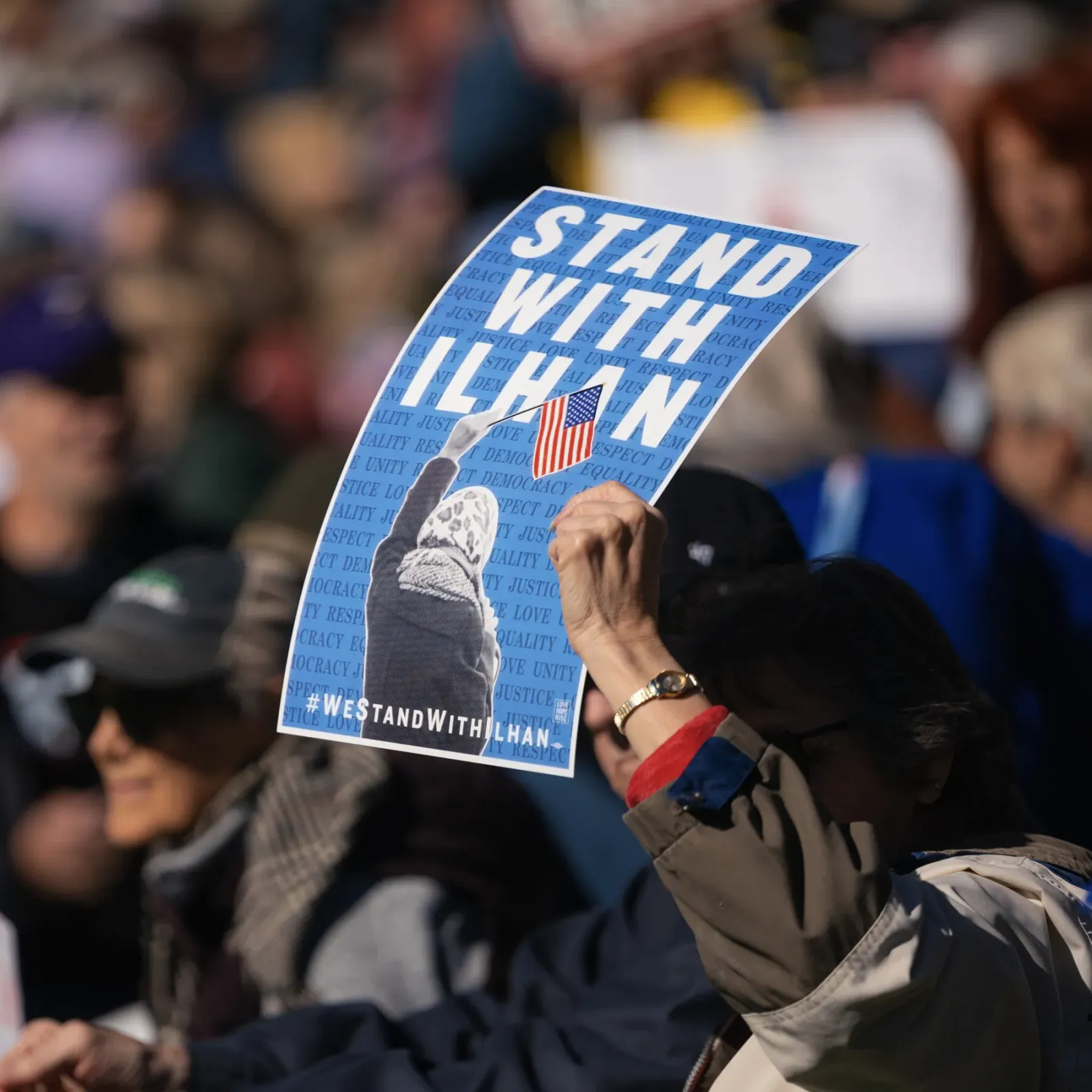
Obama Defends Ilhan Omar After Agents Search Her Home in Trump Inquiry
The former president's intervention raises the stakes in a federal probe into immigration paperwork that has put a prominent progressive lawmaker in the crosshairs.

Blair-era minister: cut welfare to fund youth job support
Alan Milburn's call for welfare cuts to fund employment support opens a Labour fight over benefits and the Neet crisis.
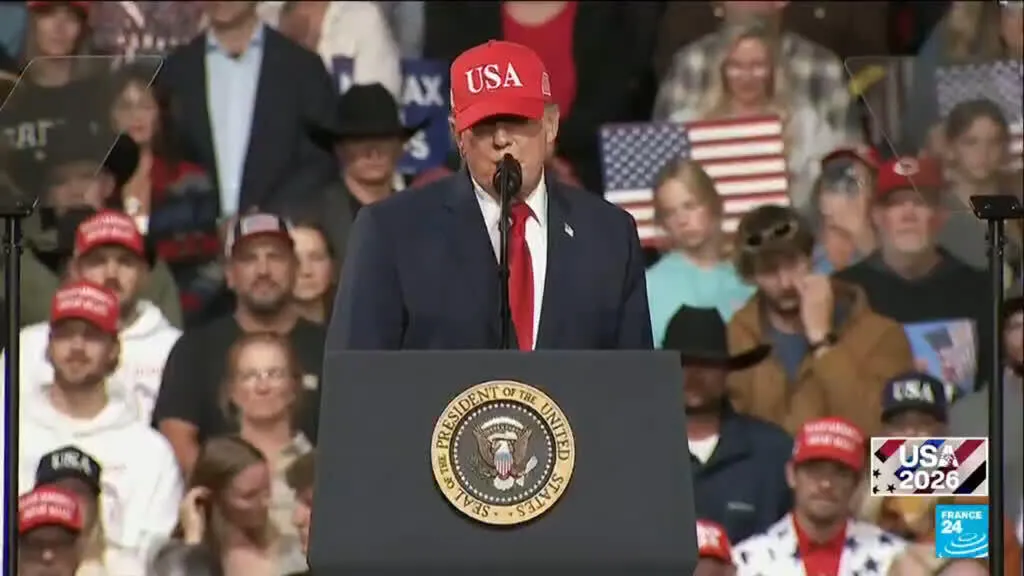
Hot September CPI: energy costs surge, voters feel the squeeze before midterms
The latest inflation print lands as Trump campaigns for GOP control of Congress, putting cost-of-living worries at the center of the midterm fight.