

Trump moves to 50% Canada tariffs by Aug. 19, escalating a year-old trade fight
A scheduled jump to 50% duties turns the Canada-U.S. trade dispute up another notch. Here is what changes next.

Donald Trump announced that 50% tariffs on Canada would begin on Aug. 19, escalating the trade war he started over a year ago. For decision-makers, the date matters because it compresses planning time for pricing, sourcing, compliance, and risk.
Donald Trump said punishing Canada with 50% tariffs would begin by Aug. 19, a sharp escalation in the trade war between the United States and Canada that he started more than a year ago. In other words, this is not a vague threat hovering in political air. It is a specific timeline with a specific magnitude, and that combination is exactly what forces businesses to move from “wait-and-see” to operational planning.
The headline number is the whole story: 50% tariffs. When the U.S. raises duties to that level, the economic math inside companies changes quickly. Customs costs hit landed price directly, which means procurement teams have to rethink where goods come from, finance teams have to model margin compression, and sales teams have to decide whether costs can be passed through or whether demand will absorb the hit. For executives, the Aug. 19 start date is the real lever, because it determines how much time they have to adjust contracts, inventory strategies, and pricing commitments ahead of the duty increase.
To understand why this matters beyond one headline, zoom out to how tariff fights usually work. Tariffs are a blunt instrument. They are designed to pressure counterpart governments and industries by raising the price of cross-border trade, which can change negotiation dynamics. But they also create second-order effects inside the supply chain: companies that are not directly “targets” still get pulled into the cost shock through component purchases, intermediate inputs, and logistics networks. Even if a firm sells domestically, it may still depend on Canadian-origin inputs or Canadian-linked trade flows.
This is especially relevant for boards and C-suites because tariff escalation is not only a cost issue, it is a forecasting issue. When a duty jumps materially, historical pricing assumptions can fail. Finance teams often need to rebuild scenarios: a base case, a pass-through case, and a demand-loss case. That is hard to do in a calm environment, but harder still when the clock is ticking toward a named start date like Aug. 19. The practical implication is that “we will see what happens” can turn into a costly stance. Once duties are in place, operational changes become more expensive and slower, especially if suppliers, customers, or downstream distributors must renegotiate.
There is also the regulatory and compliance angle, even though tariffs sound like simple economics. Importers do not just pay a tariff. They must classify goods, document origin, and ensure declarations match the rules that govern customs treatment. When tariffs escalate, the compliance burden tends to increase because more transactions get scrutinized, more documentation is required, and any uncertainty about classification or origin becomes a financial risk. That turns trade policy into a governance question: does the company have the internal controls and documentation discipline to operate under a higher-cost tariff regime without triggering avoidable penalties or shipment delays?
And then there is the negotiation reality. The source frames the current move as an escalation of a trade war the president started over a year ago. That phrasing signals continuity, not a one-off. In trade disputes, escalation often changes expectations on both sides: the U.S. may signal willingness to apply stronger pressure, while Canada may prepare countermeasures or adjustment strategies. For executives, the strategic stake is that this could become a longer runway of uncertainty, even if businesses survive the first spike. Planning for Aug. 19 is necessary, but executives also have to consider what repeated escalation would do to longer-term contracts and investment decisions.
If you are a CEO, CFO, or board member in a company that touches North American trade, the takeaway is clear: a scheduled 50% tariff start by Aug. 19 is the kind of policy change that forces immediate internal alignment. Procurement, finance, legal, and commercial teams will have to coordinate quickly on cost models, sourcing options, and customer messaging. The second-order effect is board-level: risk oversight is no longer theoretical when the date is set and the tariff rate is this high. The companies that handle these moments well are the ones that treat tariffs as an operational event, not a political headline.
This story's Key Insights and Take-aways are locked.
Create a free account to unlock Executive Actions for one credit.
Register to UnlockAlways free for Executives Club members. Join the Club
More in Politics
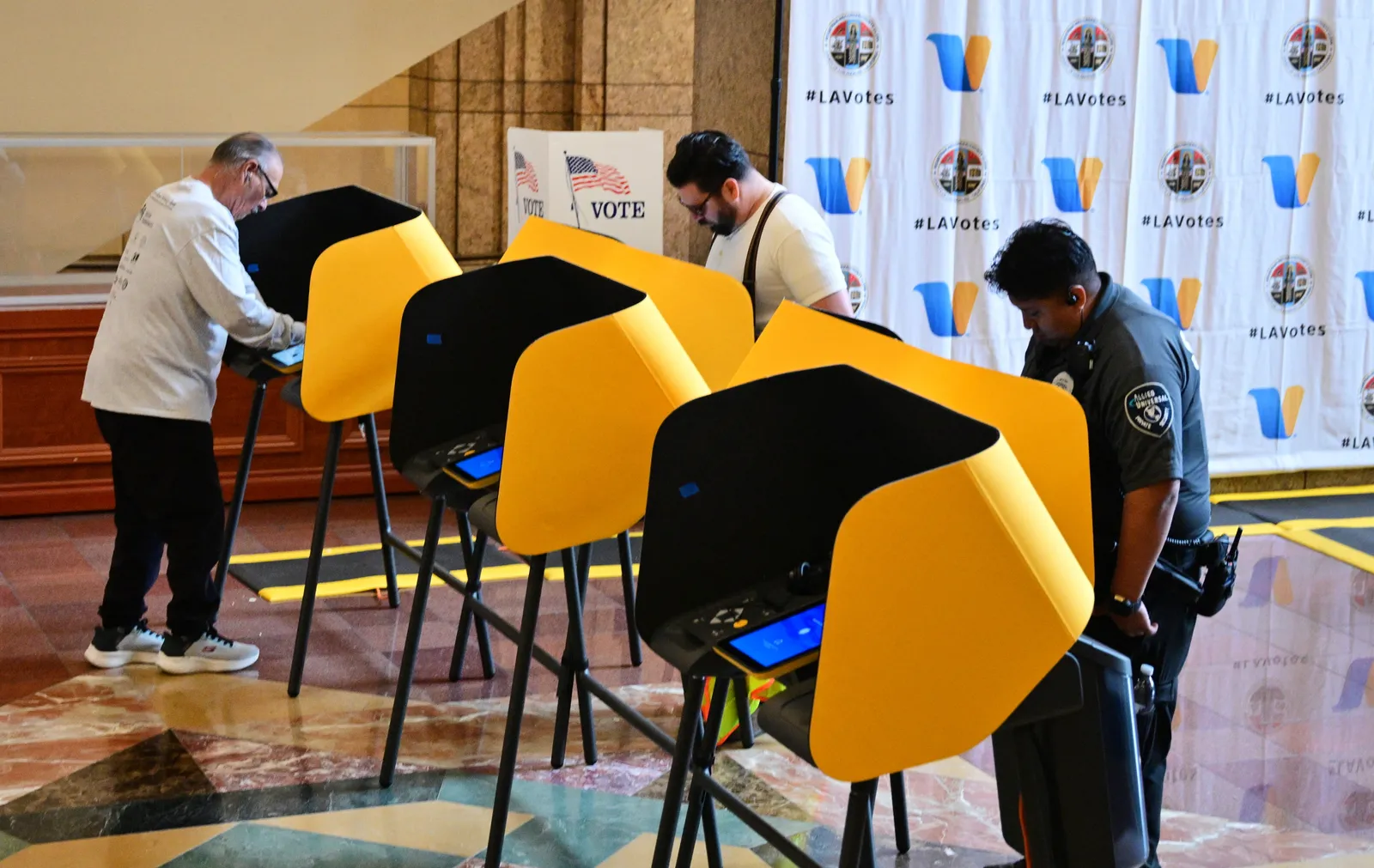
LA County: DOJ's 20,000 'noncitizen' voter list is 'unreliable,' includes U.S.-born
Preliminary review by Los Angeles County election officials finds errors in the federal list, raising the stakes for voter roll integrity ahead of November.
Trump's $1.5B Pentagon chip investment lands in North Carolina
A $1.5 billion defense infusion for North Carolina chipmaking signals a new era of Pentagon-backed reshoring - here's what it means for the industry.

Nigeria confirms first Ebola case in Abuja, a woman just off a Uganda flight
Health Minister Muhammad Ali Pate says the patient flew in from Uganda, putting Africa's latest outbreak on Nigeria's doorstep.