

Trump says he does not want the Gordie Howe bridge open yet
A key U.S.-Canada crossing could stay shut longer than expected, with knock-on effects for trade, logistics, and planning.
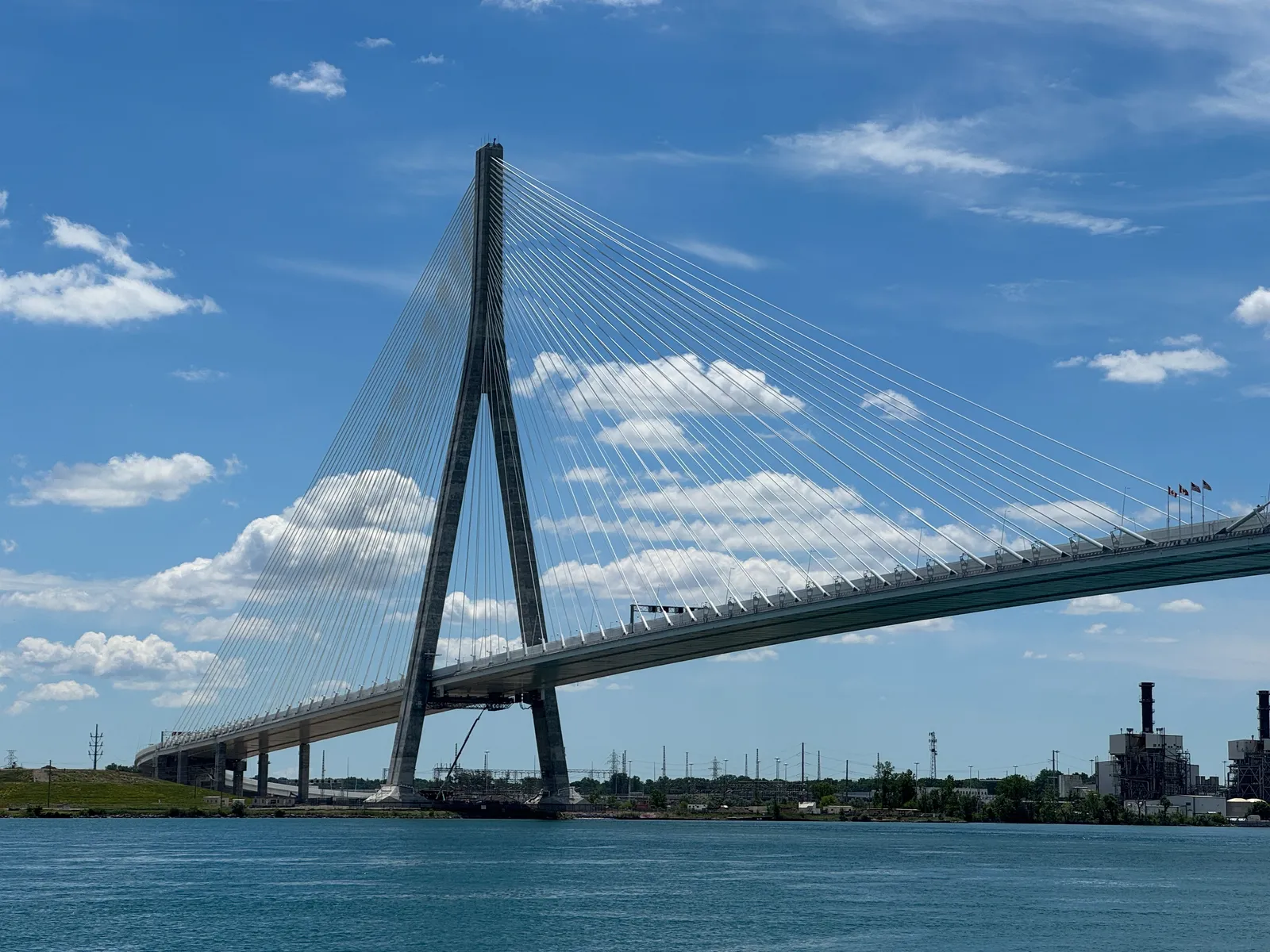
President Donald Trump has said he doesn't want the Gordie Howe bridge open yet. For decision-makers across transportation and cross-border operations, that stance turns a major infrastructure timeline into a policy risk.
The Gordie Howe bridge, which spans what NPR describes as the most important border crossing between the United States and Canada, may be blocked from opening because of the Trump administration. NPR reports that President Donald Trump has said he doesn't want it open yet.
That headline matters because the bridge is not just a piece of concrete and steel. It is a bottleneck breaker. When a major crossing is delayed, everything downstream starts to wobble: trucking schedules, customs staffing needs, inventory planning, and the simple math companies use to decide whether to stock in one place or another. For executives who run cross-border operations, the Gordie Howe bridge is one of those rare infrastructure moves that changes daily reality, not just future capacity.
To understand why a presidential decision can ripple so far, it helps to remember how border infrastructure tends to work. Large crossings sit at the intersection of engineering timelines and political timelines. Even when the physical build is complete or near complete, the opening can depend on approvals, enforcement posture, and broader policy choices about when and how to let flows increase. In other words, the “open date” is often less about the bridge and more about the rules of the road on both sides of the border.
NPR frames the issue bluntly: the bridge “spans the most important border crossing between the U.S. and Canada,” and Trump has said he doesn't want it open yet. That combination tells you where the real stakes are. The U.S.-Canada relationship is deeply integrated across supply chains. When the highest-importance crossing is constrained, it can pressure alternate routes, reshuffle transit times, and force companies to absorb cost or rearrange workarounds. Those workarounds are rarely free, especially for fleets that already operate on tight scheduling windows.
For boards and senior leadership teams, the biggest second-order risk is planning error. Many operational models assume that when major infrastructure comes online, throughput increases and reliability improves. When opening is delayed by policy rather than construction realities, forecasting models can break in two ways. First, expected cost savings from reduced delays may fail to materialize on schedule. Second, contingency plans may be too narrow because teams planned for “late delivery” in the literal sense, not for “late authorization” in the political sense.
This is also a governance and communications challenge. Cross-border infrastructure decisions can force executives into a new mode: scenario planning with political variables, not just engineering variables. That can mean updating vendor commitments, renegotiating service-level expectations with customers, and coordinating with logistics partners who need to know whether they are optimizing for a near-term change or continuing with the current constraints. When the trigger is a top-level political stance, it is harder to set precise internal timelines, so leadership often shifts toward broader contingencies.
Finally, this development underscores a strategic truth for companies that live near the border: policy is part of the infrastructure. If a president can signal that the Gordie Howe bridge should not be open yet, then the “system” that determines border throughput includes both physical capacity and the administrative decision to activate it. Executives overseeing transportation, manufacturing inputs, retail distribution, or any business that depends on predictable cross-border movement should treat opening timelines as a moving target and pressure-test their operational plans accordingly.
This story's Key Insights and Take-aways are locked.
Create a free account to unlock Executive Actions for one credit.
Register to UnlockAlways free for Executives Club members. Join the Club
More in Politics
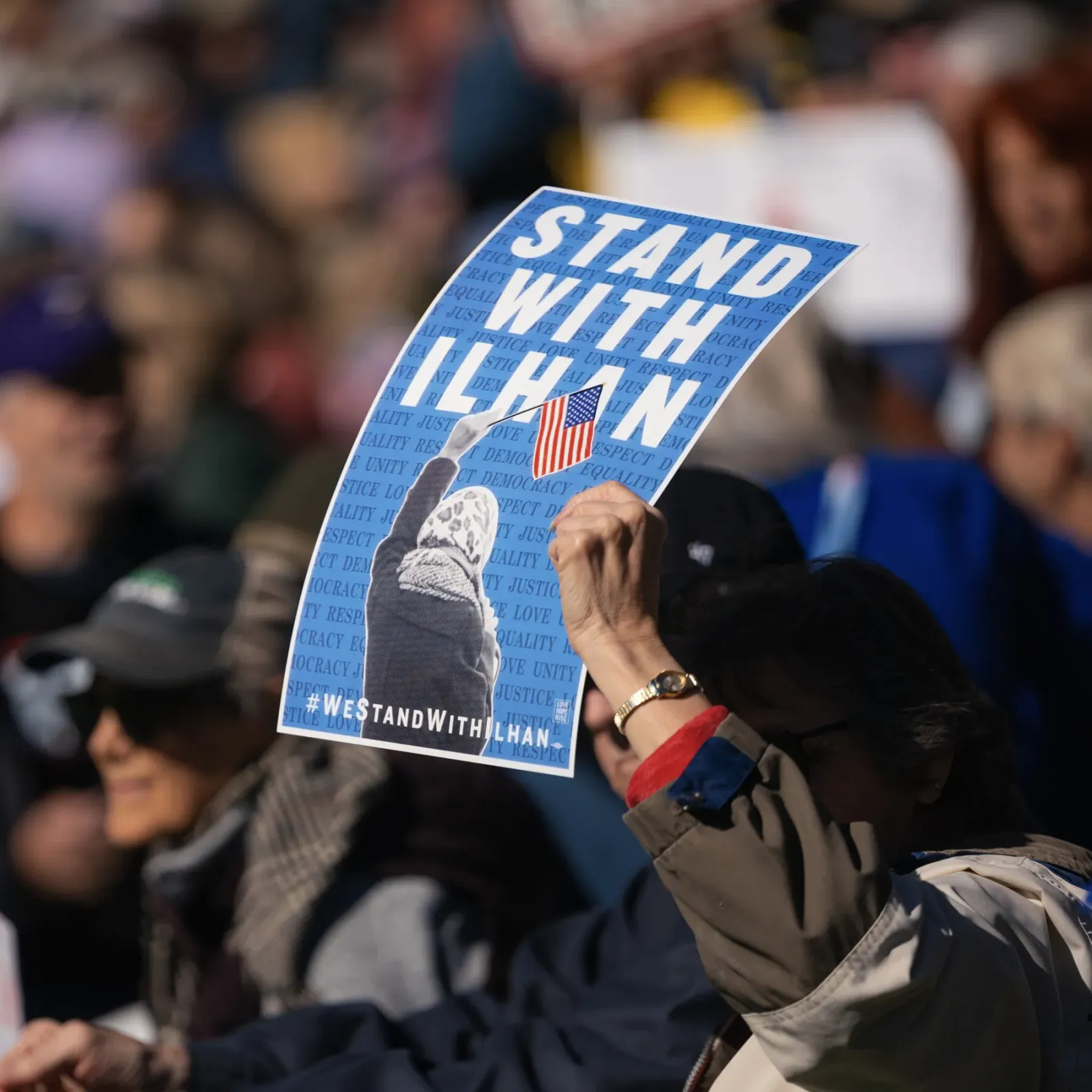
Obama Defends Ilhan Omar After Agents Search Her Home in Trump Inquiry
The former president's intervention raises the stakes in a federal probe into immigration paperwork that has put a prominent progressive lawmaker in the crosshairs.

Blair-era minister: cut welfare to fund youth job support
Alan Milburn's call for welfare cuts to fund employment support opens a Labour fight over benefits and the Neet crisis.
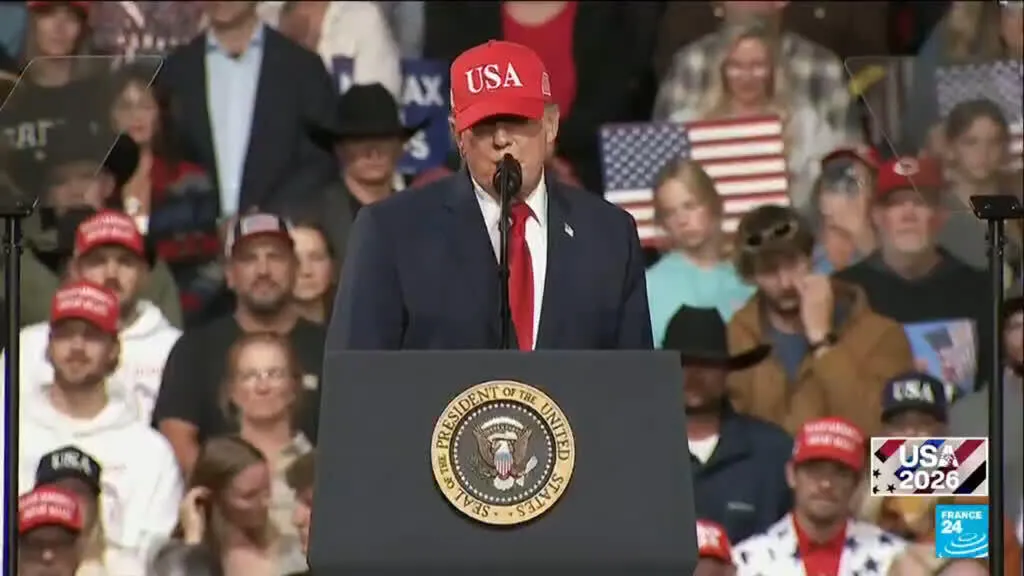
Hot September CPI: energy costs surge, voters feel the squeeze before midterms
The latest inflation print lands as Trump campaigns for GOP control of Congress, putting cost-of-living worries at the center of the midterm fight.