

Trump says Iran meeting in Doha Tuesday after Iran denies technical talks
Envoys Steve Witkoff and Jared Kushner will attend high-level talks, with technical sessions handled separately.
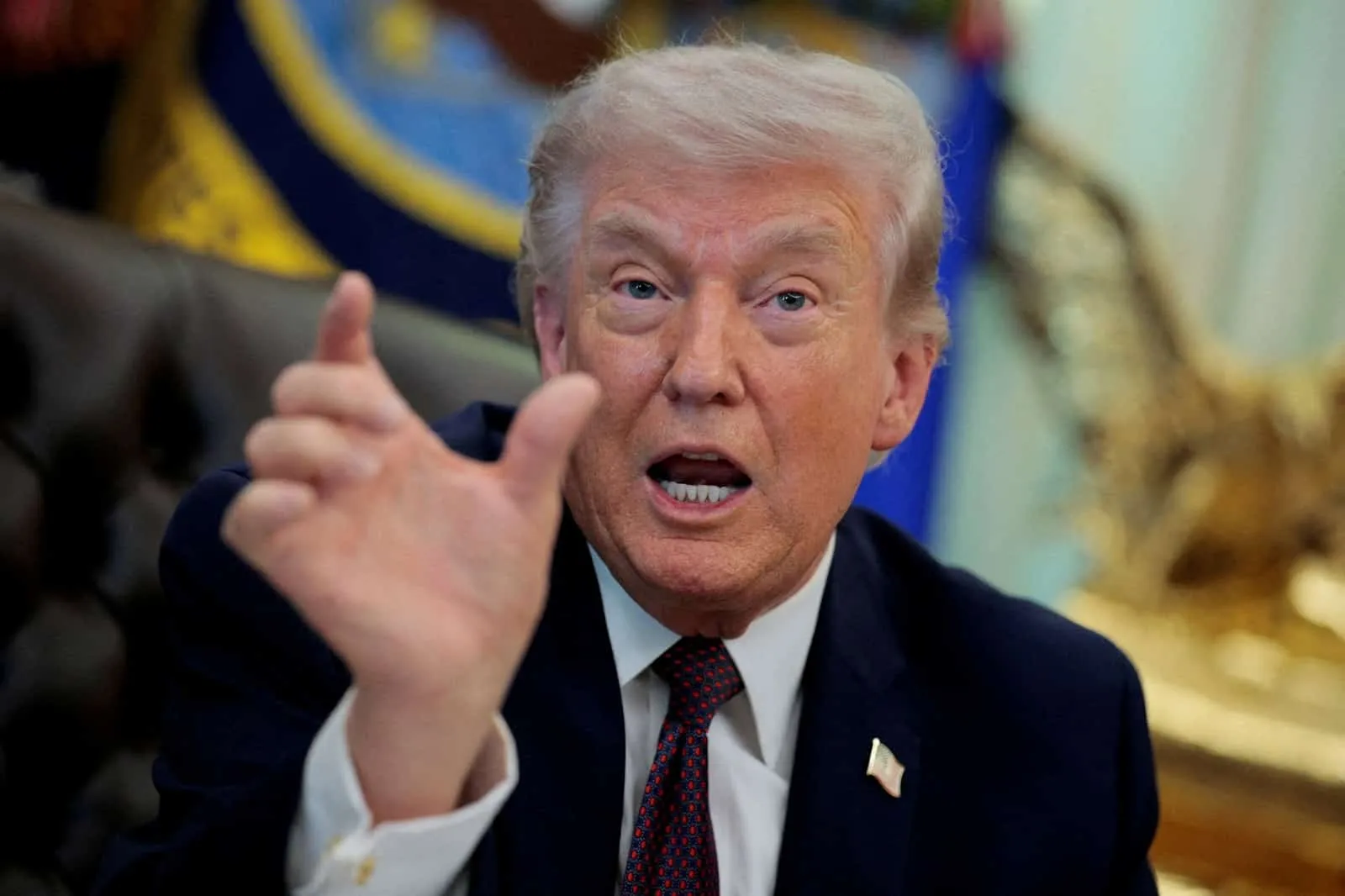
President Donald Trump said Iran requested a meeting that will take place in Doha, Qatar on Tuesday. The outcome affects how quickly the US and Iran operationalize their Strait of Hormuz ceasefire and memorandum of understanding.
President Donald Trump says Iran requested a meeting that will take place in Doha, Qatar on Tuesday. In a short Truth Social post, Trump wrote: “IRAN HAS REQUESTED A MEETING. IT WILL TAKE PLACE TOMORROW IN DOHA! President DJT.” The practical question for anyone tracking this is immediate: how does this Doha meeting map to the separate technical work that both sides previously described in conflicting ways?
The answer, at least in part, is that the White House later tried to separate “high-level” from “technical” by name. White House spokeswoman Karoline Leavitt confirmed that envoys Steve Witkoff and Jared Kushner will attend the meeting, telling Fox News: “Special envoy Witkoff and Jared Kushner will be flying to Doha for high-level meetings this week, as we continue to discuss the memorandum of understanding.” Leavitt added that “On the sidelines of those high-level talks, there will be the technical talks.”
That matters because Iran’s own messaging has not fully lined up with the idea of technical sessions happening immediately. Iran’s Deputy Foreign Minister Kazem Gharibabadi had said that “no technical meetings of the working groups on the initial agreement were planned for this week.” He also pointed to consultations with Qatar, including on “following up the implementation of the other side’s commitments,” continuing as usual, and said reports that technical working-group talks would be held in Doha “cannot be confirmed.” In Gharibabadi’s framing, the first round of technical talks was only expected after agreement on the timing and venue, with consultations continuing through intermediary countries.
So what changed between those statements and Trump’s announcement? The source does not provide a single smoking gun, but it does show a deliberate attempt to keep the process moving without claiming the details are fully settled. Trump’s post creates the headline moment: a meeting requested by Iran, happening in Doha on Tuesday. Leavitt’s follow-up then supplies structure: high-level envoys go first, and technical discussions are positioned as something that will occur alongside, even if earlier Iran messaging suggested technical working groups were not yet scheduled for this week.
Zoom out and you can see why everyone is parsing the wording. On Sunday, Iran and the US agreed to halt recent hostilities in the Gulf and renew talks about their dispute over the Strait of Hormuz. A US official said: “Technical talks are slated to continue on all areas of the MOU. Both sides will stand down for now and vessels can move freely.” That last clause, “vessels can move freely,” is the operational stake. Even without a full written deal in hand, the Strait of Hormuz is the kind of shipping chokepoint where logistics and risk premiums react fast, and where “stand down” language can quickly affect insurance pricing, rerouting decisions, and the perceived timeline for normalization.
The return to diplomacy comes after several days of strikes and counterstrikes. An Iranian projectile hit a cargo vessel in the Strait of Hormuz on Thursday, and both the US and Iran accused the other of breaking an interim ceasefire agreed to on June 17. Early Sunday, Iran launched missiles and drones at US military sites in Kuwait and Bahrain, shortly after Trump threatened that Iran would cease to exist if it did not honor the agreement to end the war. That sequence explains the tightrope both sides are walking. Diplomacy is back, but trust is not. In that setting, the difference between “technical talks” and “high-level meetings” is not academic. It determines whether details get unblocked, whether vessels regain confidence quickly, and whether misunderstandings reignite the cycle.
There is also a second-order consequence that executives and board members in energy, shipping, defense, and global trade should notice: process credibility. When the US side emphasizes envoys and a memorandum of understanding, it signals an attempt to formalize a path forward. When Iran’s Deputy Foreign Minister says technical working-group reports “cannot be confirmed” and ties technical talks to decisions on timing and venue, it signals caution and conditionality. That mix can shape how companies plan contingencies. If technical sessions are perceived as delayed or fragmented, firms may hedge longer. If the Doha talks are perceived as productive, risk appetite and routing decisions can shift sooner.
Finally, the Doha meeting is not happening in a vacuum. US policy messaging, especially when delivered via direct social posts, compresses timelines. It also increases pressure on envoys like Steve Witkoff and Jared Kushner to turn “high-level meetings” into concrete coordination. For decision-makers, the stake is simple: the faster the parties align on the MOU’s mechanics, the faster markets can stop treating the Strait as a live fuse.
In short: Trump announces Doha Tuesday, Leavitt confirms Witkoff and Kushner’s presence, and Iran’s earlier comments suggest technical talks are still a moving target. The headline moment is real, but the operational payoff depends on whether the “memorandum of understanding” becomes an implementable plan that both sides recognize, with technical working groups not just promised, but actually scheduled, scoped, and executed.
This story's Key Insights and Take-aways are locked.
Create a free account to unlock Executive Actions for one credit.
Register to UnlockAlways free for Executives Club members. Join the Club
More in Politics
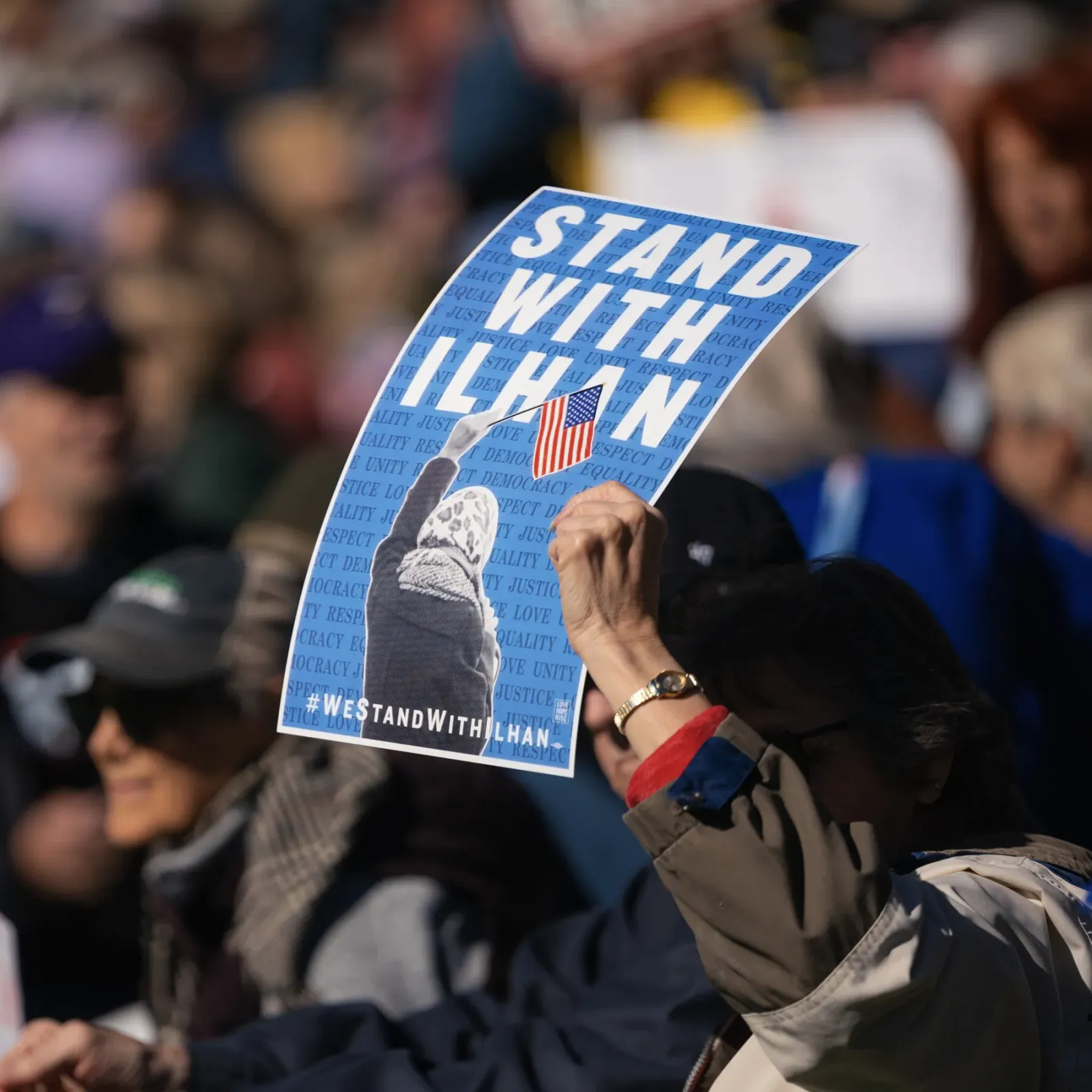
Obama Defends Ilhan Omar After Agents Search Her Home in Trump Inquiry
The former president's intervention raises the stakes in a federal probe into immigration paperwork that has put a prominent progressive lawmaker in the crosshairs.

Blair-era minister: cut welfare to fund youth job support
Alan Milburn's call for welfare cuts to fund employment support opens a Labour fight over benefits and the Neet crisis.
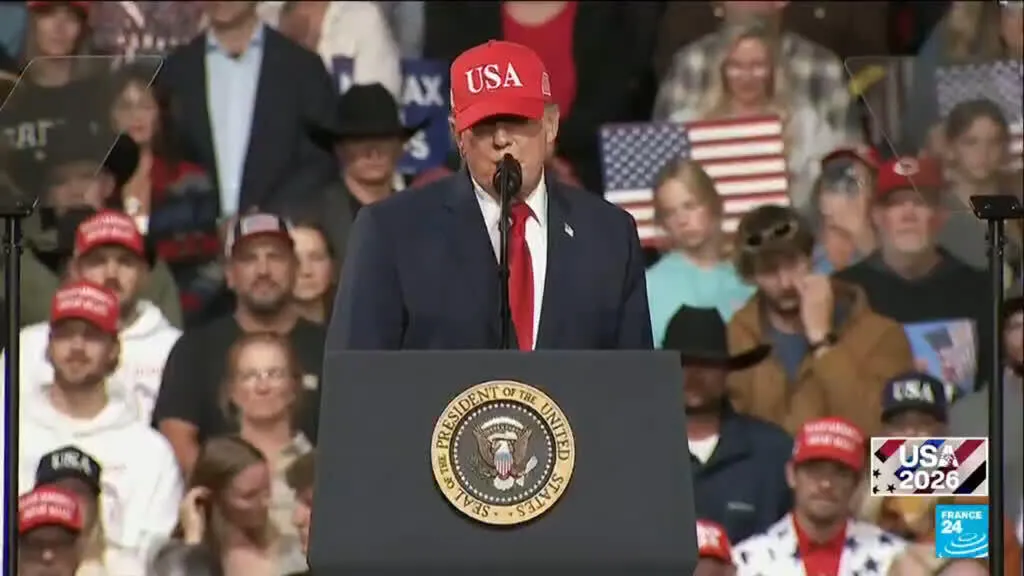
Hot September CPI: energy costs surge, voters feel the squeeze before midterms
The latest inflation print lands as Trump campaigns for GOP control of Congress, putting cost-of-living worries at the center of the midterm fight.