

Trump tells Lebanon it’s first White House visit since 2009 as Iran tensions intensify
Joseph Aoun’s Oval Office meeting lands as the U.S. and Iran escalate within a 10-day window.
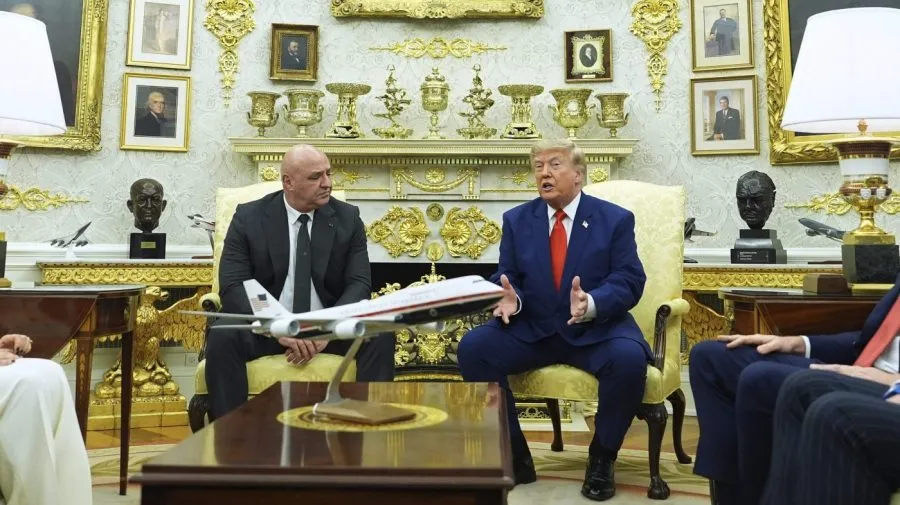
President Trump met Lebanese President Joseph Aoun in the Oval Office on Tuesday, the first visit by a Lebanese head of state to the White House since 2009. The timing matters for decision-makers because U.S.-Iran hostilities have escalated over the last 10 days, raising near-term risk across the region.
President Trump met with Lebanese President Joseph Aoun on Tuesday, and it was not a routine diplomatic photo-op. The meeting marked the first time a Lebanese head of state has visited the White House since 2009. Trump opened the Oval Office meeting by lauding the Lebanese nation and its people, setting a tone that blends personal diplomacy with a broader regional message.
Why this matters right now: the U.S. and Iran have escalated hostilities over the last 10 days. In other words, this Lebanese visit is landing inside a tightening security environment, not in a calm stretch where officials can afford long timelines and soft commitments. When high-level leaders meet during a short, high-volatility window, the subtext is usually operational: how countries manage pressure, coordinate messaging, and protect critical interests while risks rise around them.
For executives, investors, and anyone running a portfolio with regional exposure, this is the kind of diplomatic timing that turns “headline risk” into actual costs. Escalation between the U.S. and Iran does not stay contained to embassies. It tends to flow into energy pricing, shipping routes, insurance premiums, bank compliance workflows, and everything wrapped around sanctions and enforcement. Even if a company is not directly operating in Lebanon, the broader regional tightening can still affect counterparties, logistics, and the speed at which regulators expect controls to be upgraded.
Here is the practical layer. When hostilities escalate, legal and compliance teams typically move from policy to procedure fast. That means scanning for indirect exposure in supply chains, reviewing counterparties for ties that could raise sanctions or “restricted nexus” concerns, and tightening documentation so transactions can survive scrutiny later. In parallel, risk teams model scenarios with higher variance, not just higher mean outcomes. The point is not panic. It is readiness for a world where guidance changes quickly and regulators expect you to be able to explain what you did, when you did it, and why.
Also keep an eye on how diplomacy can shape incentives for local governance. Trump’s public praise of Lebanon and its people at the opening suggests the U.S. is trying to reinforce a partner narrative, which can influence how Lebanese institutions calibrate their own posture toward both domestic pressures and external demands. For boards and senior leaders, that is second-order risk. If Lebanon is treated as a key partner during escalation, government stability, procurement decisions, and regulatory enforcement patterns can shift. Those shifts can be good for some operators, harmful for others, and disruptive for most.
Finally, consider the signaling value of a first visit since 2009. White House attention is often interpreted as a commitment to elevated engagement, especially when the region is under strain. That does not guarantee outcomes, but it does change expectations among stakeholders. In markets, expectation changes can move before policy does. Companies with regional dependencies usually feel it first through customer behavior and contracting terms, then through costs.
Strategic stakes for decision-makers are clear. If the U.S. and Iran are escalating within a 10-day window, leadership should assume volatility will keep compressing timelines. That means stress-testing not only balance sheets, but operational assumptions: where shipments go, what payments clear, how quickly compliance can refresh screening rules, and whether contracts have enough flexibility for sudden policy shifts. The Lebanon visit, while diplomatic, is happening in the same reality as the U.S.-Iran escalation. In executive terms, that is a reminder: governance and geography are converging, and the cost of being late is measured in months of catch-up work or missed opportunities to reduce exposure early.
This story's Key Insights and Take-aways are locked.
Create a free account to unlock Executive Actions for one credit.
Register to UnlockAlways free for Executives Club members. Join the Club
More in Politics

LA County: DOJ's 20,000 'noncitizen' voter list is 'unreliable,' includes U.S.-born
Preliminary review by Los Angeles County election officials finds errors in the federal list, raising the stakes for voter roll integrity ahead of November.

Trump's $1.5B Pentagon chip investment lands in North Carolina
A $1.5 billion defense infusion for North Carolina chipmaking signals a new era of Pentagon-backed reshoring - here's what it means for the industry.

Nigeria confirms first Ebola case in Abuja, a woman just off a Uganda flight
Health Minister Muhammad Ali Pate says the patient flew in from Uganda, putting Africa's latest outbreak on Nigeria's doorstep.