
Trump vows $1.8B fund if Todd Blanche stalls in Senate confirmation
A payout fund pledge ties directly to Todd Blanche's confirmation fight, reopening a settlement dispute with real budget and oversight stakes.
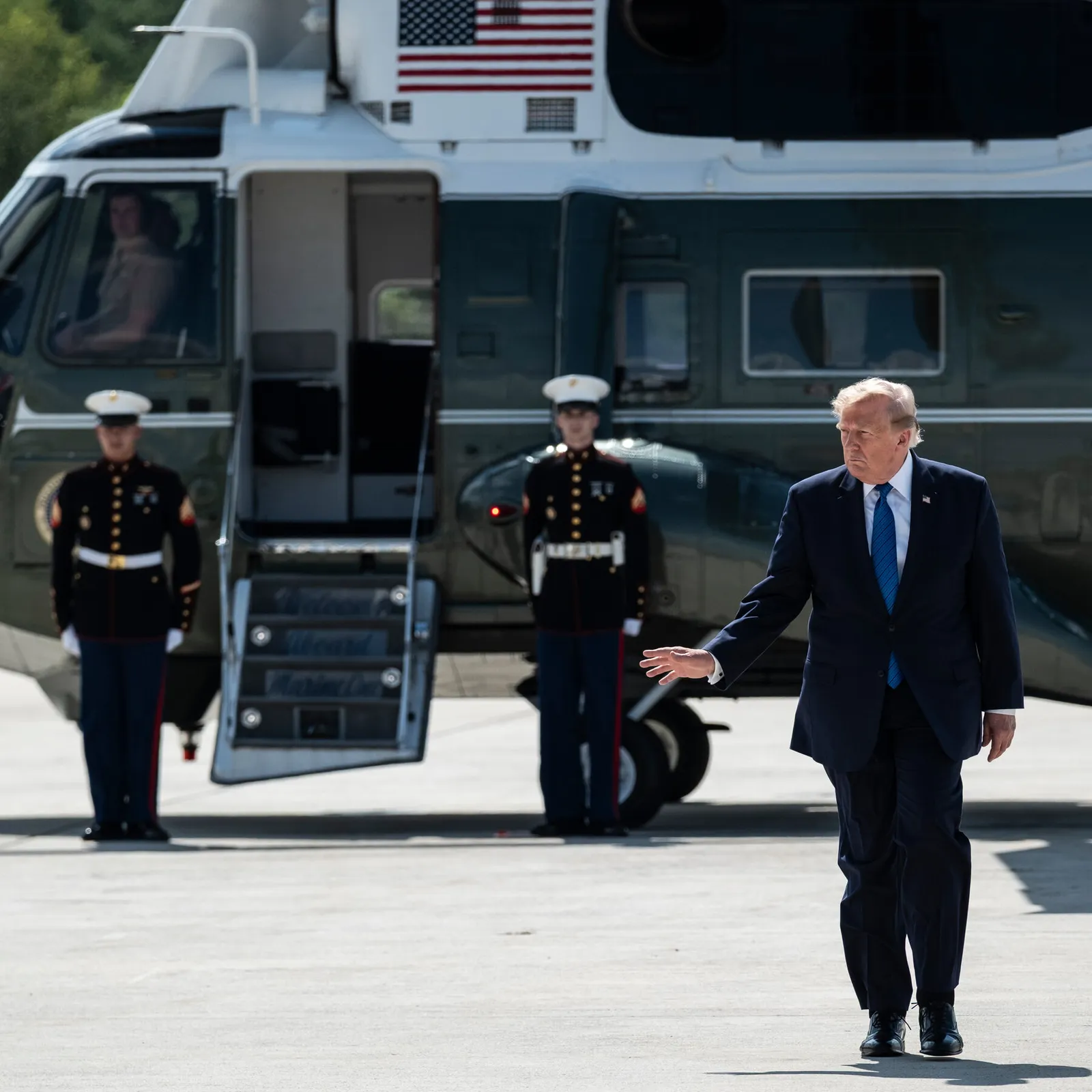
President Trump said he would push for a $1.8 billion payout fund if Senate Republicans fail to confirm Todd Blanche as attorney general. The move reignites an ongoing dispute over the settlement and puts pressure on confirmation politics at a moment of high institutional risk.
President Trump vowed to push for a $1.8 billion fund if Senate Republicans fail to confirm Todd Blanche as attorney general. That promise reignites a dispute over the settlement at the center of this political fight, turning what might otherwise be a straightforward confirmation calculus into a high-stakes pressure campaign.
In practical terms, the president is signaling that confirmation outcomes will have direct financial consequences. If Todd Blanche, nominated to lead as attorney general, does not clear the Senate, Trump says he will push for the payout fund. That is the key linkage in the story: Senate procedure and political negotiations are being treated as levers that determine whether large dollars flow under the terms of a settlement dispute.
To understand why this matters beyond the headlines, zoom out to how attorney general confirmation fights work in Washington. The attorney general is not just a symbolic post. It sits at the center of enforcement strategy, litigation posture, and the administration of legal risk across federal agencies. So when Senate Republicans, who would normally be assumed to control the confirmation pipeline, face a failure to confirm Blanche, it signals either a breakdown in party unity or an attempt to use the confirmation as leverage for other policy or legal demands. In that environment, a pledge tied to money is not just rhetorical. It is a way to move the negotiation from “what does the Senate want” to “what will it cost everyone else if it does not get its way.”
The dispute over the settlement adds another layer. Settlements are often structured to resolve specific claims, expectations, and liability questions, and they typically come with a web of legal conditions and political narratives about who bears the burden. When a dispute resurfaces in connection with a confirmation fight, it suggests the settlement is not fully “closed” in the public and political sense. That means decision-makers are not only weighing institutional legitimacy and legal authority, they are also weighing whether ongoing controversy could create further downstream obligations. With a $1.8 billion fund in play, the financial magnitude is large enough to attract attention from budget watchers and watchdogs, even if the immediate decision is procedural.
There is also a second-order governance dynamic here: confirmation battles tend to force boards and leadership teams across the policy ecosystem to re-evaluate assumptions about stability and continuity. Legal disputes and enforcement strategies can shift with leadership, and settlements can be framed very differently depending on who holds authority over litigation and legal interpretation. Even for people who are not directly involved in federal cases, the signal from this kind of pledge is that legal risk and political risk are moving together. That matters because uncertainty in enforcement priorities can affect businesses through compliance planning, litigation timelines, and the cost of counsel.
For Senate Republicans, the president’s pledge implies that failure to confirm Blanche is not neutral. It comes with a promised payout fund outcome. For the administration, it frames the fight as conditional leverage: if the Senate does not do its part, Trump says he will pursue a financial mechanism tied to the settlement. Either way, the dispute becomes a tug-of-war over both authority and resources, with the Senate confirmation process functioning like the gateway to whether the settlement’s financial implications are activated.
The strategic stake for peers in similar roles is simple. When large sums are attached to confirmation outcomes, the confirmation process stops being just a personnel decision and becomes a negotiation tool. That increases the incentives to treat every procedural step as meaningful, encourages political actors to see legal disputes as leverage points, and raises the cost of miscalculation for lawmakers, leadership teams, and institutions that rely on predictable enforcement and legal administration. In other words, Trump’s $1.8 billion pledge is not only about Blanche. It is about whether confirmation politics and settlement economics will remain separable, or whether they will now be managed as one combined battlefield.
This story's Key Insights and Take-aways are locked.
Create a free account to unlock Executive Actions for one credit.
Register to UnlockAlways free for Executives Club members. Join the Club
More in Politics
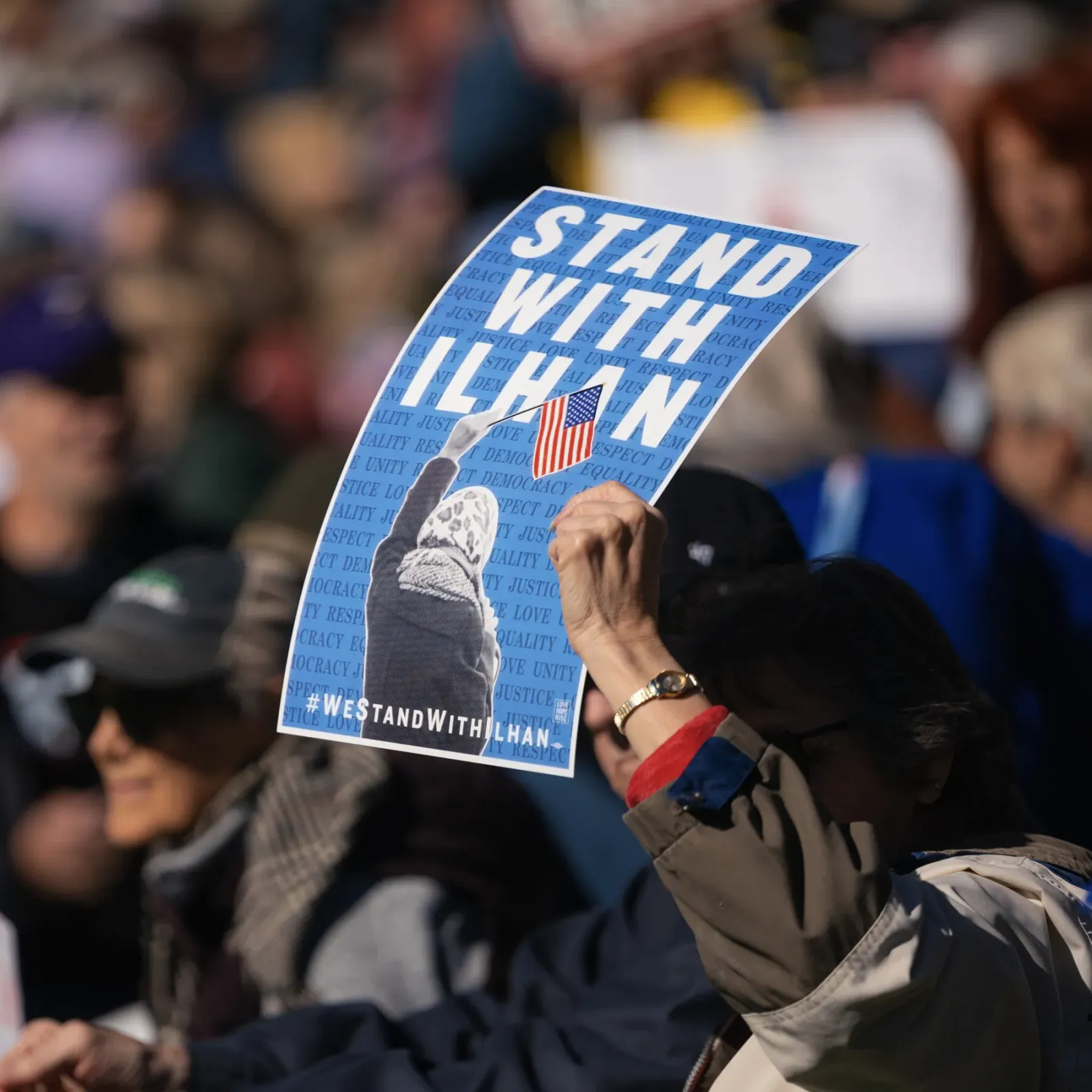
Obama Defends Ilhan Omar After Agents Search Her Home in Trump Inquiry
The former president's intervention raises the stakes in a federal probe into immigration paperwork that has put a prominent progressive lawmaker in the crosshairs.

Blair-era minister: cut welfare to fund youth job support
Alan Milburn's call for welfare cuts to fund employment support opens a Labour fight over benefits and the Neet crisis.
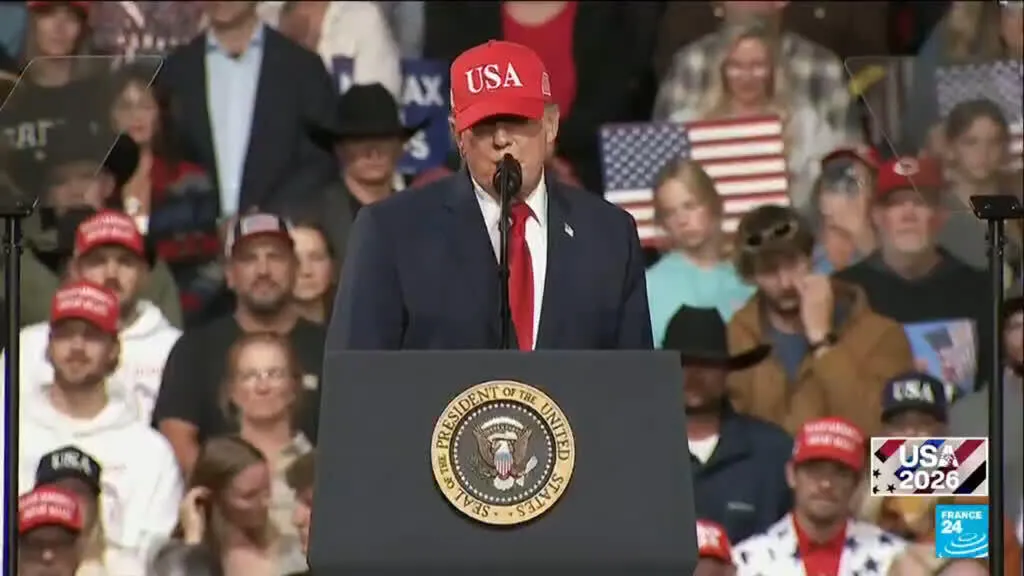
Hot September CPI: energy costs surge, voters feel the squeeze before midterms
The latest inflation print lands as Trump campaigns for GOP control of Congress, putting cost-of-living worries at the center of the midterm fight.