
Turkey's 2016 coup attempt reshaped Erdogan's state, and the ripples still run
A failed military takeover ten years ago hardened Turkey's political system, security posture, and risk landscape for everyone watching.
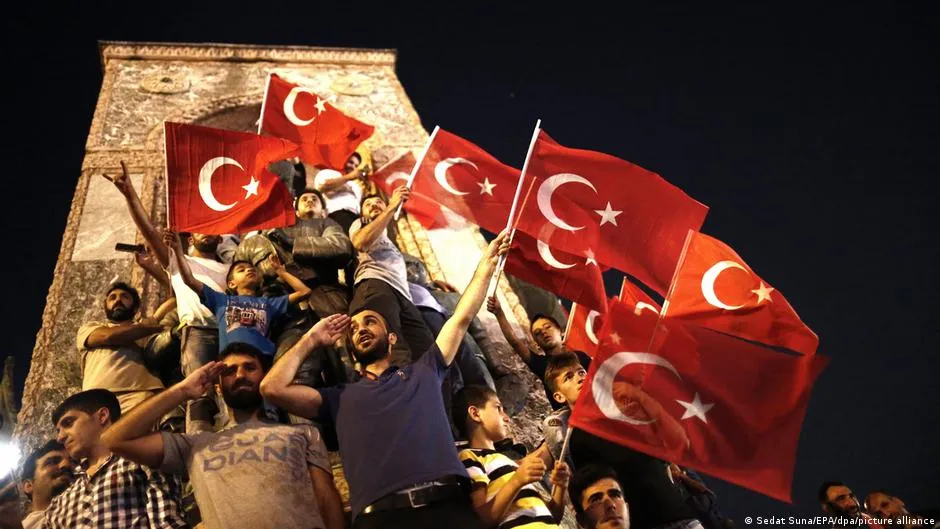
In 2016, parts of the Turkish military attempted to overthrow President Erdogan's government, but the attempt failed. The consequences of that failed coup continue to shape Turkey to this day.
Ten years ago, parts of the Turkish military attempted to overthrow the government of President Erdogan. The attempt failed, but it did not fade. Instead, it became a turning point that continues to shape Turkey to this day.
That matters far beyond Turkish politics, because a coup attempt changes how a country governs under stress. It also changes what institutions do next, who gets trusted, who gets monitored, and how quickly emergency powers can become normal governance. If you are a board member, investor, lender, or operator with exposure to Turkey, you are not just tracking a historical event. You are tracking the downstream rules and incentives that event triggered, and the way those rules keep influencing decisions today.
To understand why the 2016 coup attempt still casts a shadow, think about the immediate problem Erdogan’s government faced after the failed overthrow: proving control when parts of the state apparatus had turned against the leadership. When an attempted takeover originates from within the military, the political consequences are rarely limited to the night of the attempt. The government’s follow-through tends to define the next decade, because it forces questions like: How big is the loyalty gap? Which networks can be trusted? How do internal threats get detected early?
In markets, those questions show up as second-order effects. Governments that treat a failed coup as an ongoing threat often tighten oversight and coordination across security and bureaucracy. That can lead to a higher-friction operating environment for businesses. Even when day-to-day commerce continues, the background risk calculus shifts. Compliance expectations can tighten. Regulatory timelines can become less predictable when state priorities revolve around internal stability. For executives, that means risk management is not only about sanctions or macro numbers. It is also about how governance evolves after a systemic shock.
The political system also changes the incentive structure for decision-makers. When leadership frames a failed coup attempt as something that must be prevented again, the governance response can prioritize speed and unity of command over openness and debate. That does not automatically mean the economy becomes uninvestable, but it often changes how power moves. In practical terms, strategic decisions may rely more heavily on security and political vetting, not just commercial feasibility. For boards, that changes what “material information” looks like, and how quickly reputational or operational risks can turn into real constraints.
There is also a broader regional implication. Turkey is a country whose internal stability affects neighboring states and global partners, and a failed coup attempt is a signal, even ten years later, that the system has experienced a stress event severe enough to demand lasting institutional adjustments. That can influence how governments and institutions outside Turkey interpret Turkey’s internal cohesion, and it can shape how counterparties price risk across contracts, financing, insurance, and dispute resolution.
For peers and decision-makers who operate in or alongside emerging markets, the core lesson is uncomfortable but useful: failed coups still reshape the future. The event is not only the attempt. It is what follows. When parts of the military try to overthrow an elected president, the country’s institutions do not return to a “normal” baseline. They rebuild, reclassify threats, and reallocate trust. Ten years later, Turkey is still living with those consequences.
So the strategic stakes today are simple. If you are evaluating exposure to Turkey, or thinking about governance risk in any country with a history of internal security shocks, the 2016 coup attempt is a reference point for how quickly political stability can become an economic variable. It is also a reminder that the most consequential changes can be the ones that do not announce themselves as policy headlines. They show up gradually in how decisions get made, what gets prioritized, and which risks get treated as existential.
This story's Key Insights and Take-aways are locked.
Create a free account to unlock Executive Actions for one credit.
Register to UnlockAlways free for Executives Club members. Join the Club
More in Politics
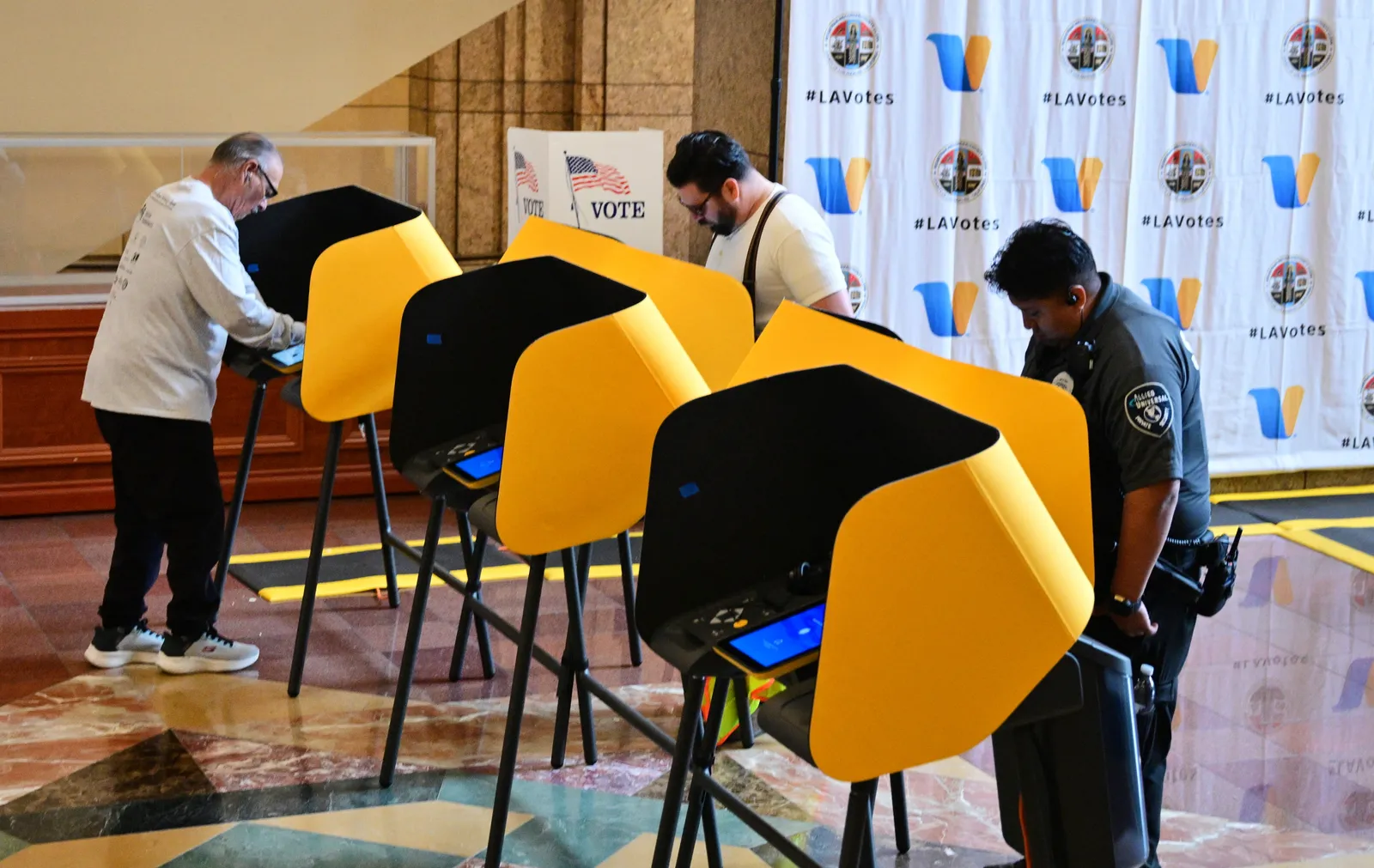
LA County: DOJ's 20,000 'noncitizen' voter list is 'unreliable,' includes U.S.-born
Preliminary review by Los Angeles County election officials finds errors in the federal list, raising the stakes for voter roll integrity ahead of November.
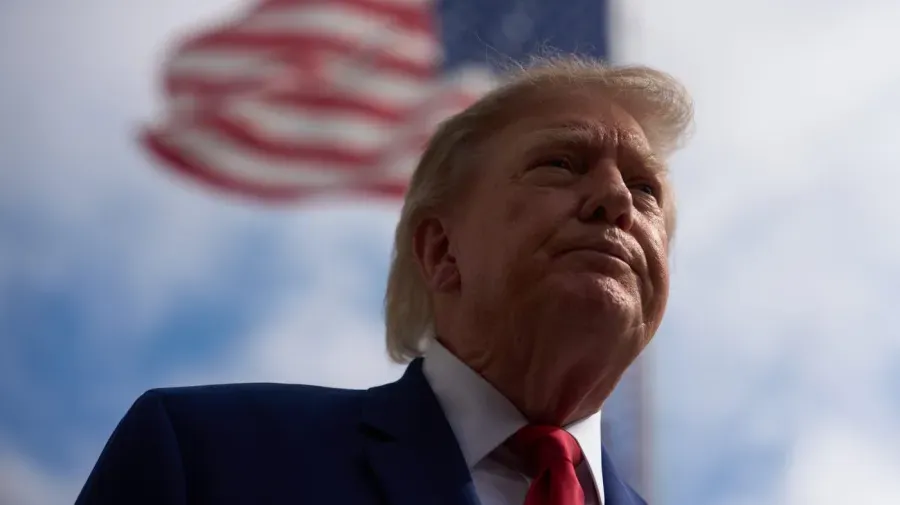
Trump's $1.5B Pentagon chip investment lands in North Carolina
A $1.5 billion defense infusion for North Carolina chipmaking signals a new era of Pentagon-backed reshoring - here's what it means for the industry.

Nigeria confirms first Ebola case in Abuja, a woman just off a Uganda flight
Health Minister Muhammad Ali Pate says the patient flew in from Uganda, putting Africa's latest outbreak on Nigeria's doorstep.