
U.S. Airlines Are Killing First Class for Mega Business Suites
The industry is pivoting away from traditional premium seating, betting big on hyper-luxurious, private cabins to capture the highest-spending traveler.
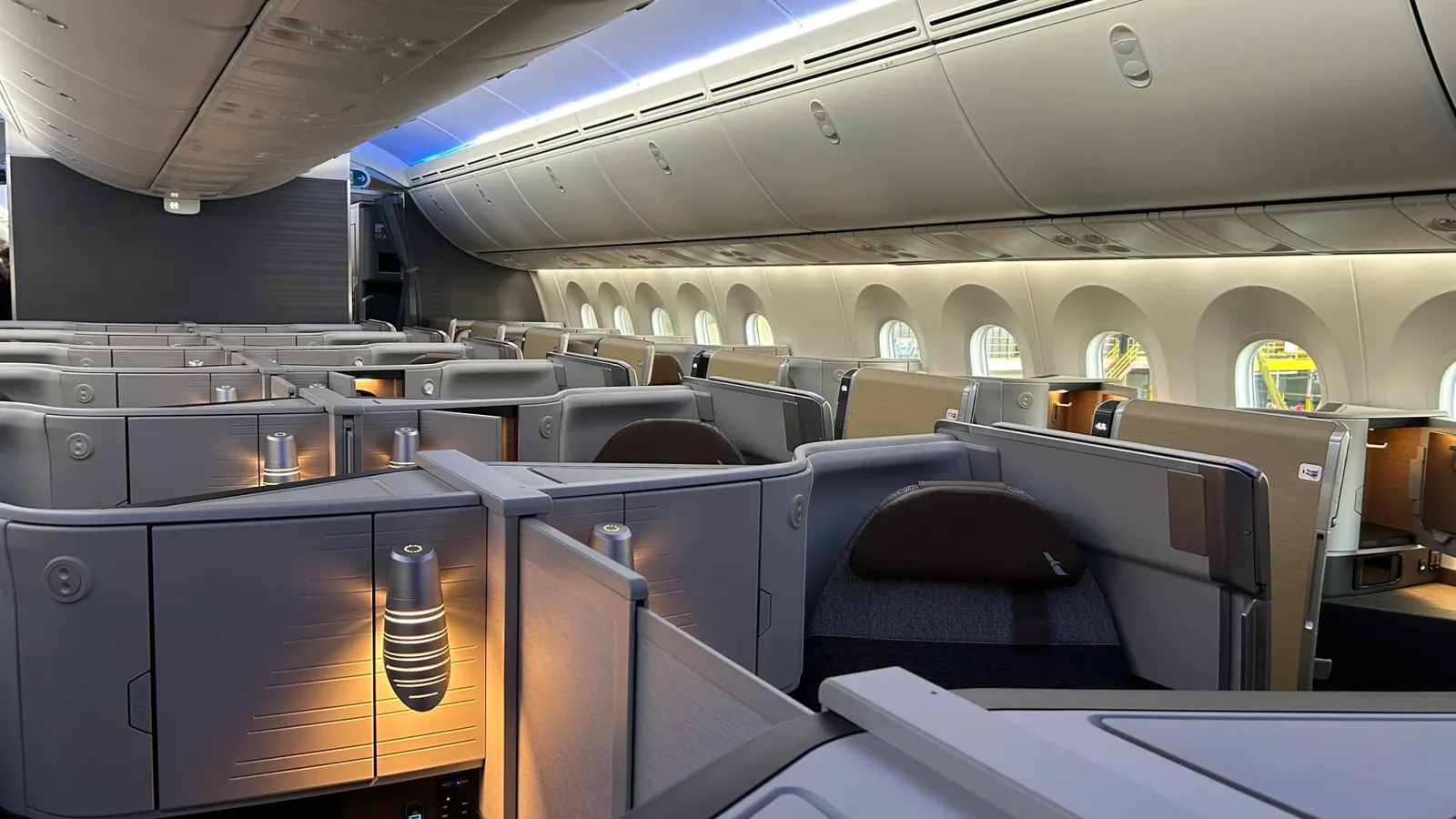
U.S. airlines are rapidly redesigning their premium cabins, abandoning traditional first-class configurations in favor of massive, ultra-luxurious business-class suites. This strategic pivot forces operators to redefine the value proposition of their most expensive seats to maintain competitive advantage in the global luxury travel market.
The era of the standard first-class seat, as we know it, is effectively over for major U.S. carriers. Airlines are making a decisive, high-stakes pivot, systematically replacing conventional premium seating with massive, bespoke business-class suites. This isn't merely a cosmetic upgrade; it represents a fundamental strategic shift in how airlines are approaching their most lucrative revenue stream. The industry is moving away from the concept of a shared, albeit comfortable, premium experience toward the creation of private, mobile sanctuaries designed for the ultra-high-net-worth individual.
This move to the mega business-class cabin is a direct response to evolving consumer expectations and the intense competition within the global luxury travel sector. The traditional first-class product, while luxurious by past standards, has increasingly been viewed by the modern, affluent traveler as insufficient. Today's top-tier passengers demand more than just a comfortable seat; they demand absolute privacy, personalized service, and an environment that feels entirely exclusive. By investing heavily in these oversized, highly customized suites, airlines are attempting to capture a higher yield per seat and secure loyalty from the most valuable demographic in the market.
To understand the gravity of this shift, one must look at the economics of the modern premium traveler. The market for ultra-luxury travel is not driven by volume; it is driven by extreme value and exclusivity. These mega suites allow airlines to command price points that far exceed those of traditional first-class cabins, even if the physical footprint of the seat is larger. The airline is no longer selling a seat; it is selling a private, mobile office, a private bedroom, or a private lounge suspended in the sky. This allows the carrier to justify a significantly higher fare, which directly impacts the bottom line and the overall profitability of the route.
Operationally, this transition presents complex challenges. Designing and implementing these massive cabins requires substantial capital expenditure and significant re-engineering of the cabin layout. It necessitates changes to galleys, lavatories, and overall cabin flow to accommodate these oversized units without compromising the safety or comfort of surrounding passengers. Furthermore, the service model must evolve alongside the physical product. The service staff must be trained not just in hospitality, but in the highly personalized, discreet, and often complex needs of a clientele that expects a level of attention far beyond standard premium service.
The strategic implications for the airline industry are profound. This trend signals a clear battle for the top tier of the market. Carriers that successfully execute this transition will likely see improved revenue per available seat mile and stronger brand positioning among the world's elite. Conversely, airlines that hesitate or attempt to incrementally upgrade without committing to this level of bespoke luxury risk being left behind, relegated to offering a diluted, mid-tier premium experience that no longer meets the demands of the modern high-roller.
This shift is also a reflection of broader trends in the travel industry. The rise of private aviation and the hyper-personalized nature of luxury goods are influencing how airlines structure their offerings. The mega suite is the airline's attempt to bring the exclusivity and privacy of a private jet experience to a commercial flight, albeit within the constraints of a larger aircraft. It is a calculated move to differentiate the product in a crowded marketplace where basic comfort is now table stakes.
For investors and industry analysts, this trend suggests a future where the premium cabin is not a monolithic category. Instead, we are seeing a bifurcation: the traditional, high-volume business class, and the ultra-exclusive, low-volume mega suite. The success of the latter will depend entirely on the airline's ability to maintain perceived scarcity and justify the extreme price point through flawless execution of service and design. This is not just about better leather; it is about redefining the entire value proposition of air travel.
This story's Key Insights and Take-aways are locked.
Create a free account to unlock Executive Actions for one credit.
Register to UnlockAlways free for Executives Club members. Join the Club
More in Business

GTA VI hauls $3.79bn in one day, out-earning every film ever made
Rockstar's own estimate covers a single Thursday plus a record 32.5m prerelease units, and it lands on every board weighing IP concentration, pricing power and launch risk.

FBI's crime database breached again, the second hack in months
CNN reports hackers hit the National Crime Information Center, the shared backbone of US policing, and the repeat timing is the part every security team should study.

S&P 500 Enters Correction, Down 10% From Its High on AI Worries
The index's slide past the 10 percent line is a symbolic verdict on investor mood, and the AI trade that powered the rally is now the thing testing it.