

U.S. may reopen Iran strikes this weekend, with Israel reportedly targeting energy infrastructure
Reports say the U.S. plans renewed strikes and Israel is involved in attacks on Iranian energy infrastructure.
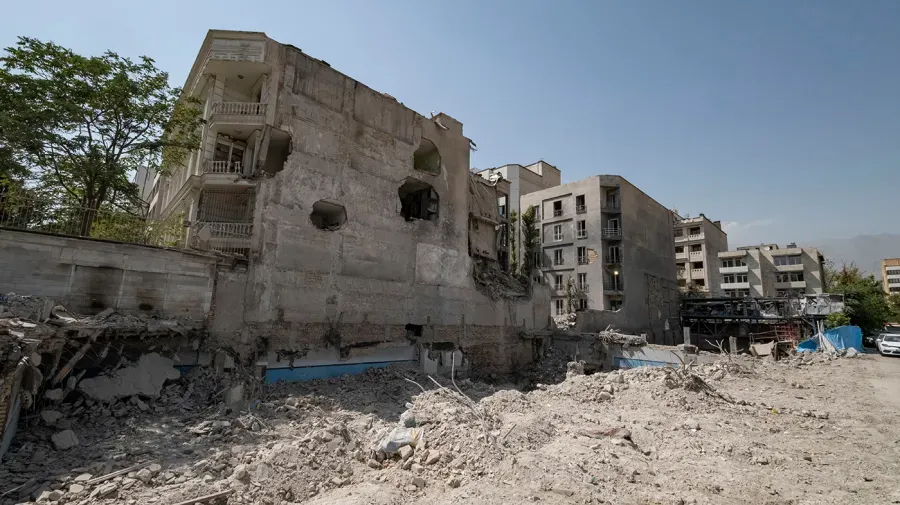
U.S. officials told multiple outlets Friday that the U.S. is planning to reopen strikes against Iran as soon as this weekend. CBS News also reported Israel is involved in plans for one of the harshest bombing campaigns to date targeting Iranian energy infrastructure.
The U.S. is reportedly preparing to reopen strikes against Iran as soon as this weekend, according to U.S. officials who spoke to several outlets on Friday. The timing matters because it compresses decision windows for governments, markets, and companies that normally get more runway to respond. CBS News added another wrinkle: it reported Israel is also involved in plans for what CBS described as “one of the harshest bombing campaigns to date” aimed at Iranian energy infrastructure targets, citing multiple sources.
If you are an executive, the headline issue is not just geopolitics. It is the potential for fast-moving disruption across energy flows, shipping routes, insurance pricing, and risk premia that can spill quickly into corporate forecasting. When strikes shift from preparation to action, the market reaction typically follows a familiar pattern: immediate reassessment of supply risk and transport risk, followed by second-round effects on inflation expectations and interest rates. In that sense, the weekend timeframe in the reporting is a big deal. It implies escalation risk can arrive before many organizations can fully coordinate contingency plans.
What makes this report especially consequential is the reported focus on Iranian energy infrastructure. Energy infrastructure is not a symbolic target. It is the stuff that connects production to export, and export to pricing globally. Even when the intention is tactical, the operational reality is that energy systems are complex and interdependent. Strikes that affect generation, storage, refining, pipelines, or export capability can create delays that markets interpret as lasting rather than temporary, at least until detailed assessments land.
There is also a coordination angle embedded in the reporting. CBS News said Israel is involved in the plans alongside the U.S., and it characterized the expected campaign as among the harshest “to date.” That matters because joint or parallel operations can increase the chance of broader targeting, more synchronized timing, or wider operational ripple effects. For business leaders, the practical implication is that scenarios are likely to move from “contained” to “multi-front” faster than when one actor acts alone. In markets, speed is often the dominant factor for volatility, because fewer participants can hedge or reroute in real time.
This kind of escalation usually drags regulators and compliance teams into the conversation too, even if they are not in the firing line. Sanctions frameworks, export controls, and trade compliance obligations often get tighter when conflict rises. Companies that touch energy, shipping, logistics, industrial equipment, or financial services tend to see heightened scrutiny. That scrutiny can show up as faster requests for documentation, more conservative counterparties, and a higher bar for transactions involving sanctioned jurisdictions or entities linked to sensitive sectors.
For boards and risk committees, the second-order effect is less about headlines and more about decisions under uncertainty. When the reporting suggests action could happen as soon as this weekend, contingency planning becomes a real-time exercise. Treasury teams need to consider counterparty and liquidity risk, insurers and risk managers focus on route and coverage terms, and commercial leaders reassess demand forecasts under potential price shocks. Even if a company is not directly exposed to Iranian assets, the market-wide dynamics can still hit earnings through input costs, contracts priced to benchmarks, and customer spending patterns.
Peer executives should also watch how investors interpret the likely duration and intensity of the campaign. Reports that describe the operation as “one of the harshest bombing campaigns to date” are signal-like. Markets often treat intensity language as a proxy for commitment. If that perception takes hold, it can affect expectations not only for near-term energy prices but also for broader macro assumptions, which then feeds back into capital costs and valuation models.
Bottom line: U.S. officials reportedly told outlets that the U.S. may reopen strikes against Iran as soon as this weekend, and CBS News reported Israel’s involvement and a focus on Iranian energy infrastructure targets. For decision-makers, the stakes are straightforward and immediate. Faster escalation timelines reduce preparation time, energy infrastructure targeting increases supply disruption risk, and coordination signals can accelerate market repricing. In roles where planning relies on stable assumptions, that is a problem you cannot afford to wait to solve.
This story's Key Insights and Take-aways are locked.
Create a free account to unlock Executive Actions for one credit.
Register to UnlockAlways free for Executives Club members. Join the Club
More in Politics
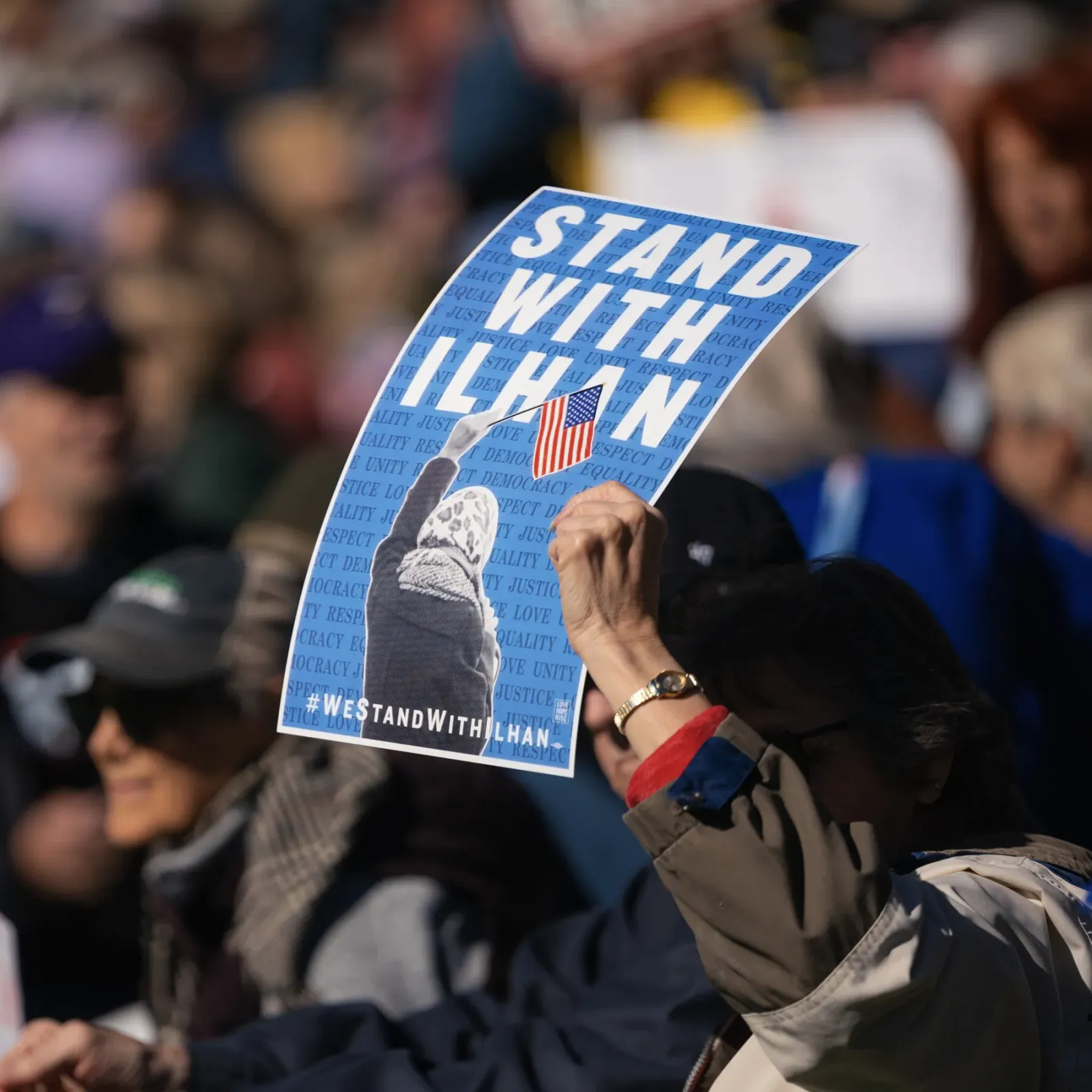
Obama Defends Ilhan Omar After Agents Search Her Home in Trump Inquiry
The former president's intervention raises the stakes in a federal probe into immigration paperwork that has put a prominent progressive lawmaker in the crosshairs.

Blair-era minister: cut welfare to fund youth job support
Alan Milburn's call for welfare cuts to fund employment support opens a Labour fight over benefits and the Neet crisis.
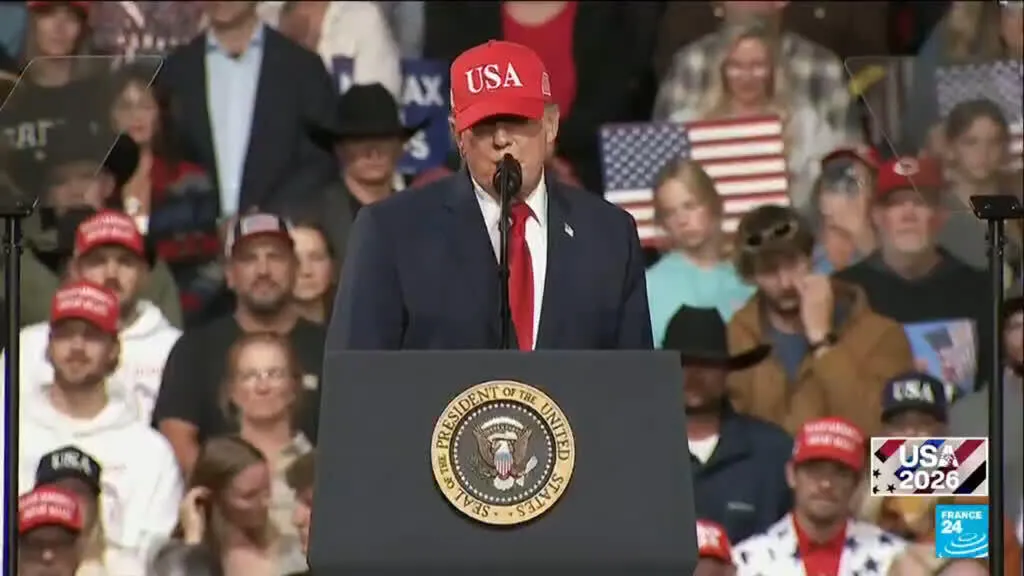
Hot September CPI: energy costs surge, voters feel the squeeze before midterms
The latest inflation print lands as Trump campaigns for GOP control of Congress, putting cost-of-living worries at the center of the midterm fight.