

U.S. officials move to open the Strait of Hormuz to all traffic, despite attacks
The U.S. says a near-term shift in maritime access is coming, while Iranian negotiators point to rogue units for the attacks.
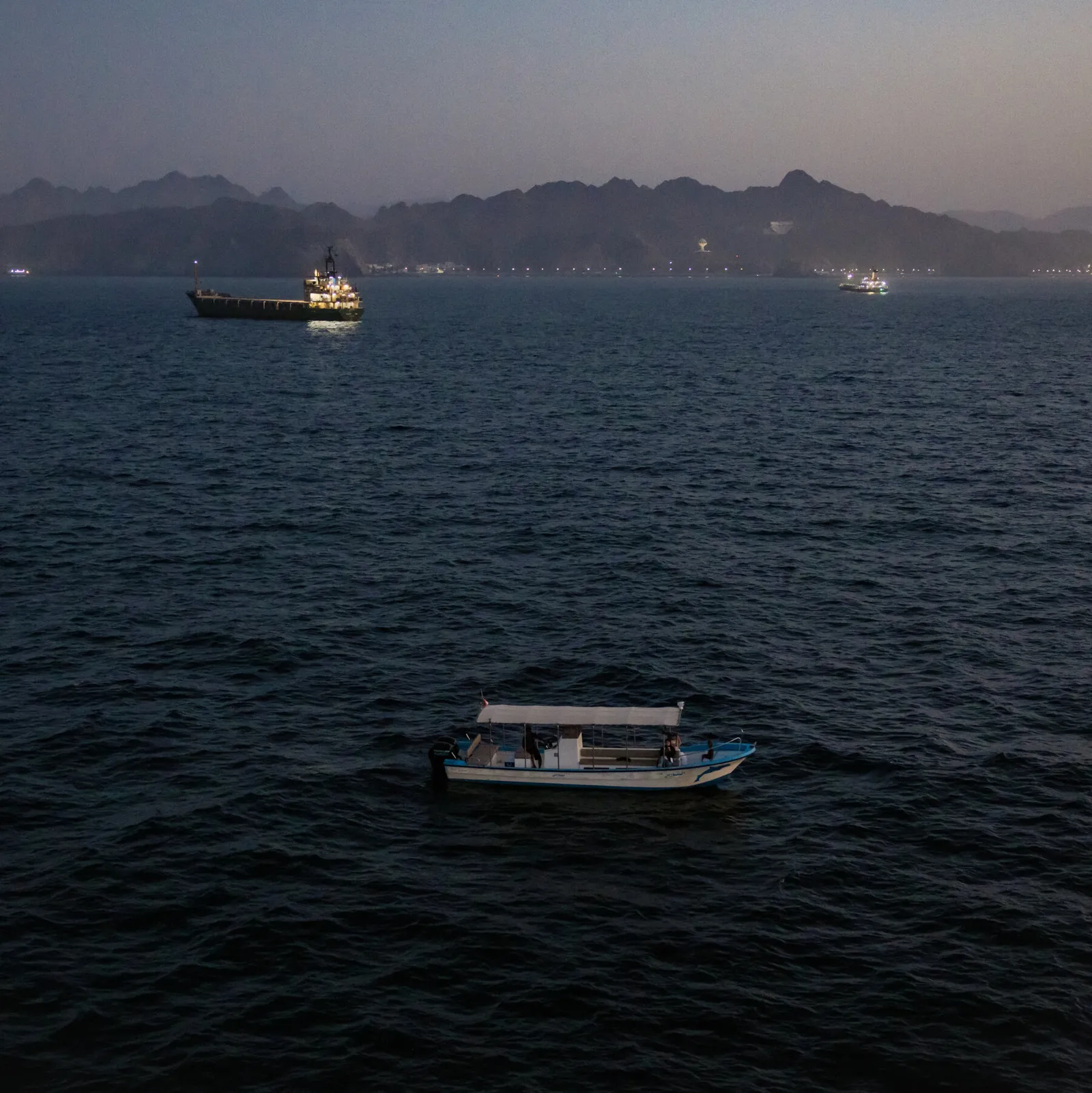
U.S. officials said the Strait of Hormuz will soon be declared open to all traffic. Iranian negotiators, in turn, blamed recent ship attacks on rogue military units, a framing that matters for how decision-makers price risk and compliance.
U.S. officials say the Strait of Hormuz will soon be declared open to all traffic. That is not just a diplomatic sentence. For shipping, insurers, energy buyers, and anyone with exposure to Middle East supply chains, it is a signal about how the rules of the waterway may be enforced in practice.
The same officials also addressed why recent attacks happened. Iranian negotiators, they said, blamed the recent ship attacks on rogue military units. In other words, the U.S. is moving toward a “keep traffic flowing” posture while Iran is pushing a narrower explanation for the violence. Those two stories matter because they shape whether the next disruption looks like a policy dispute or an internal break-glass problem.
To understand why this is such a big deal, remember what the Strait of Hormuz represents in the global system. It is a chokepoint that funnels energy and trade between producers and the rest of the world. When tensions rise, markets do not wait for perfect clarity. Traders, insurers, and counterparties price the probability of disruption immediately, often before governments agree on terminology like “rogue unit” or “state-backed action.” So even if the U.S. declares openness, the market will still ask: is the threat contained, or is it simply changing labels?
This is where the regulatory angle bites. Declarations about access and safety generally interact with maritime risk frameworks, sanctions compliance, and shipping contracts. Companies typically need to make decisions about routes, charter terms, cargo insurance requirements, and hedging assumptions. If authorities signal that the waterway will be treated as open to all traffic, counterparties may see that as reducing legal ambiguity. But the Iranian negotiators' “rogue units” framing could also complicate risk assessment, because it implies the responsible parties are not fully accountable to a single chain of command.
From an operator perspective, the second-order question becomes operational: what does “open” mean day-to-day? The U.S. says officials will soon declare the Strait open to all traffic. That language can influence how maritime authorities handle reporting, how patrol or enforcement responsibilities are interpreted, and how insurers evaluate claims risk. But companies will still watch for patterns: are incidents sporadic and localized, consistent with rogue actors, or do they cluster in ways that suggest broader coordination? The source does not offer new incident details beyond the attribution to rogue military units, so executives should treat this as a directional policy move, not a guarantee of zero disruption.
For boards and senior leadership teams, the strategic stake is about resilience planning under uncertainty. Even when governments aim for de-escalation, the market reaction to attack headlines can linger. Energy prices can swing on perceived supply risk. Shipping costs can rise if insurers apply higher premiums or impose tougher conditions. And procurement teams can get stuck in a loop of “wait for clarity” that never fully arrives. The Iranian negotiators' blame on rogue units suggests an attempt to reduce attribution to official policy. That could help if it convinces counterparts that risk is narrower and therefore manageable. But it is also a reminder that even “rogue” narratives can coexist with real operational harm.
So what should decision-makers take from this? The U.S. is signaling that openness is the intended outcome. Iran is providing an explanation that the attacks were conducted by rogue military units rather than an official posture. For executives managing supply chain, energy exposure, or shipping risk, the implication is to prepare for a transitional period where policy signals improve confidence, while incident uncertainty still drives pricing and contractual negotiations.
This story's Key Insights and Take-aways are locked.
Create a free account to unlock Executive Actions for one credit.
Register to UnlockAlways free for Executives Club members. Join the Club
More in Politics

Glacial collapse, not rain, killed 180 in Nepal's Himalayan flood
The Himalaya's extreme geography hid the true cause of Nepal's catastrophic flood, a glacial collapse that turned a geological battleground into a mass-casualty zone.

Iran’s Esmail Baghaei says Oman talks start shipping via Hormuz, not US talks yet
Temporary route plans with Oman aim to restart commerce while Tehran says Washington dialogue is not on the table.

Standards watchdog opens probe into Reform UK deputy leader Richard Tice over interests
The parliamentary standards commissioner says it began an investigation on 28 July into a possible undeclared interest.