

UK counter-terror bill rushed through parliament could ensnare journalists, Anderson warns
Two terrorism-legislation reviewers say safeguards are needed now, or national security rules could widen prosecutions to reporters.

David Anderson, a former independent reviewer of UK terrorism legislation, warns that a bill rushed through parliament could unintentionally drag journalists into terrorism prosecutions. The warning centers on how the law would treat sources used within state-backed groups in countries such as Iran.
This week, the UK is rushing a national security and counter-terrorism bill through parliament. And two independent reviewers of terrorism legislation say the bill needs safeguards before it becomes law, because the current design could accidentally pull British foreign correspondents into terrorism prosecutions.
The most direct warning comes from David Anderson, described in the report as a former independent reviewer of terrorism legislation. Anderson says that unless the bill is amended, it could expand the practical reach of terrorism laws to cover journalists working in danger-zone countries, if their reporting relies on sources connected to state-backed groups in places such as Iran.
That may sound like a narrow technicality. It is not. Terrorism legislation usually turns on categories that prosecutors can argue are broad, and those categories can have side effects that reach far beyond the people lawmakers primarily target. Here, the core risk is linkage. If the bill’s approach to national security treats certain organizations or networks as inherently suspect, then a journalist who communicates with sources inside or tied to those groups could be viewed as participating in or facilitating something the law forbids. In other words, the bill could make journalistic sourcing behave like legal exposure.
For readers outside politics and law, the mechanism is familiar: when regulators try to stop worst-case harm, they often write rules that rely on proxy indicators. Those proxies are useful for enforcement. They are also what turn “accidental” into a real-world possibility. A foreign correspondent does not set policy or manage intelligence operations. They ask questions. But in certain national security frameworks, questions and relationships can be interpreted through the lens of risk. Anderson’s warning is that the bill, as rushed, may not fully control that lens.
The report also flags that the issue is not just one reviewer’s concern. It notes that “two independent reviewers” call for safeguards for NGOs and journalists. That matters because it implies a broader consensus among people who have spent time with the legal machinery of counter-terrorism, not a single outlier reading. When multiple reviewers converge on the same failure mode, it usually indicates a gap between legislative intent and how the law could operate when tested by real cases.
There is also a timing problem. The bill is being rushed through parliament this week, which compresses the time available for amendments, committee scrutiny, and the kind of iterative drafting that reduces unintended consequences. In corporate terms, it is the regulatory equivalent of shipping a product before the edge cases are fully modeled. Boards understand this instinctively: you can move fast, but if the risk surfaces later in costly litigation, your “speed” becomes someone else’s bill.
Second-order implications go beyond journalists themselves. If foreign correspondents fear prosecution risk tied to sourcing in places such as Iran, it can change how coverage is conducted. Teams may narrow sources, reduce contact, or rely on intermediaries that may or may not be safer under the bill’s wording. NGOs could face parallel pressures in how they structure operations and partnerships. Even without any specific prosecution, the chilling effect is enough to reshape information flows. For decision-makers, this affects not only media freedom and civil society work, but also the quality and availability of on-the-ground reporting that policymakers, investors, and the public depend on to understand developments abroad.
It also raises questions about enforcement incentives. When laws are written to protect national security, enforcement agencies may prioritize cases that demonstrate serious threat. The danger Anderson flags is not that journalists are intended to be defendants, but that the legal net could be pulled wide enough that prosecutors can treat journalistic conduct as part of the prohibited ecosystem. That is the difference between a narrowly tailored statute and one that creates plausible arguments far beyond its target.
For executives, investors, and operators who track regulatory risk, the strategic takeaway is simple: national security bills do not just regulate governments and bad actors. They can reach everyday cross-border behavior like communication, research, and information gathering. If you are operating or investing in sectors that rely on international reporting, human rights information, or NGO partnerships, you should pay attention to how quickly laws get drafted and how explicitly safeguards are incorporated. Anderson’s warning is a signal that, unless the bill is amended, the UK’s counter-terrorism framework could unintentionally widen the zone of legal exposure for people whose job is to document events, not manipulate them.
This story's Key Insights and Take-aways are locked.
Create a free account to unlock Executive Actions for one credit.
Register to UnlockAlways free for Executives Club members. Join the Club
More in Politics
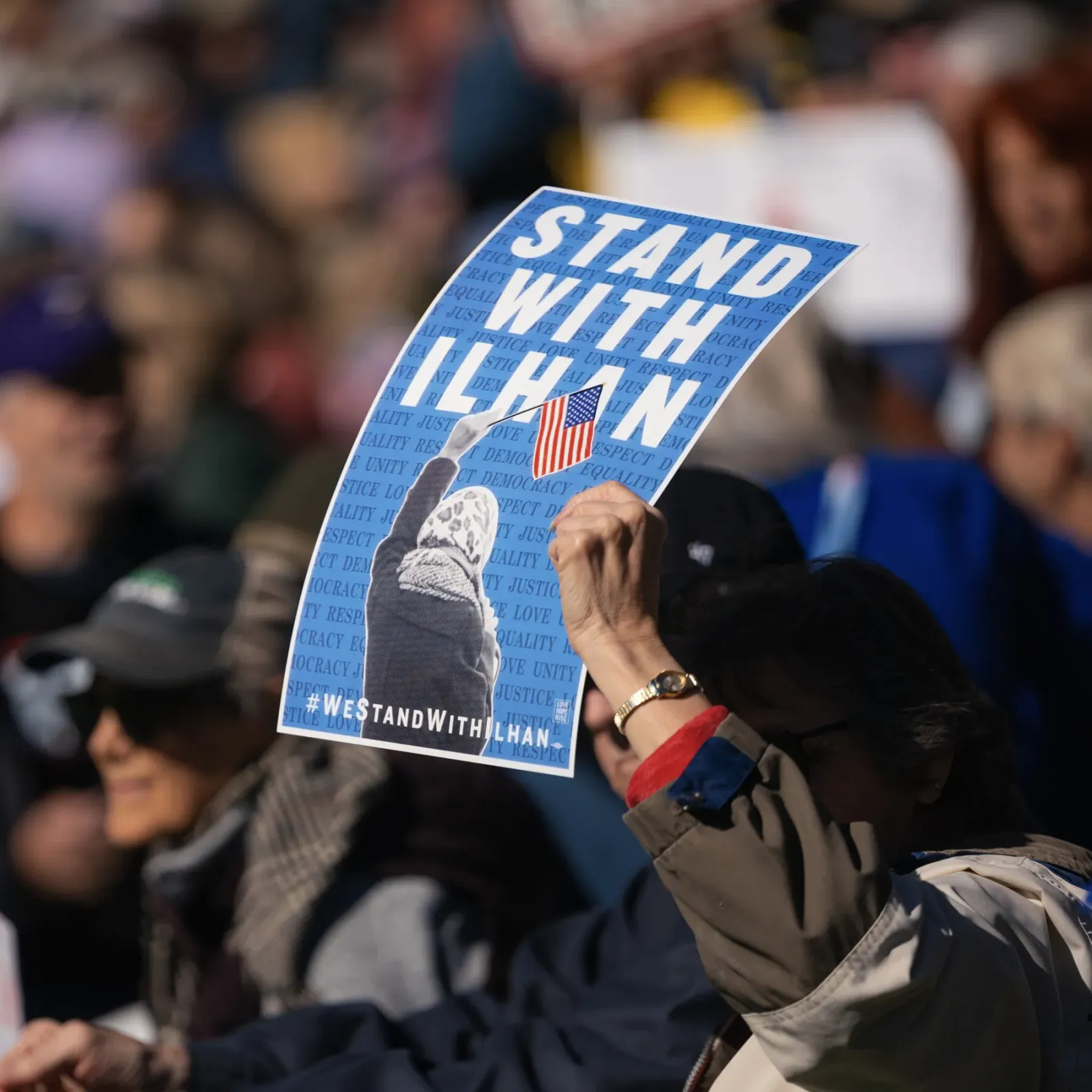
Obama Defends Ilhan Omar After Agents Search Her Home in Trump Inquiry
The former president's intervention raises the stakes in a federal probe into immigration paperwork that has put a prominent progressive lawmaker in the crosshairs.

Blair-era minister: cut welfare to fund youth job support
Alan Milburn's call for welfare cuts to fund employment support opens a Labour fight over benefits and the Neet crisis.
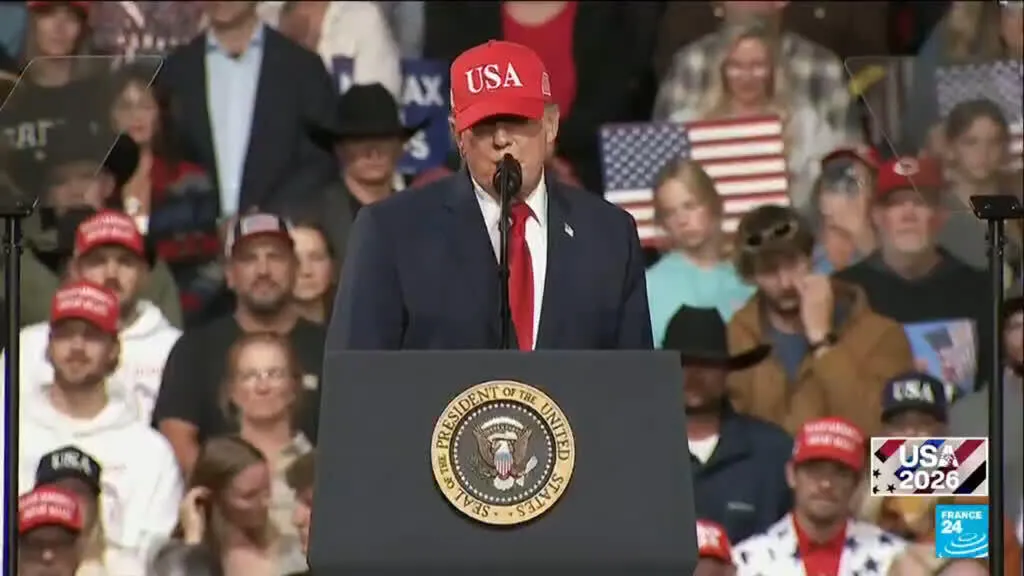
Hot September CPI: energy costs surge, voters feel the squeeze before midterms
The latest inflation print lands as Trump campaigns for GOP control of Congress, putting cost-of-living worries at the center of the midterm fight.