

US plans NATO force withdrawal, and Berlin must cover the gaps fast
Germany’s Boris Pistorius says an orderly transition is needed as NATO leaders in Ankara pressure-test Europe’s self-defense timeline.
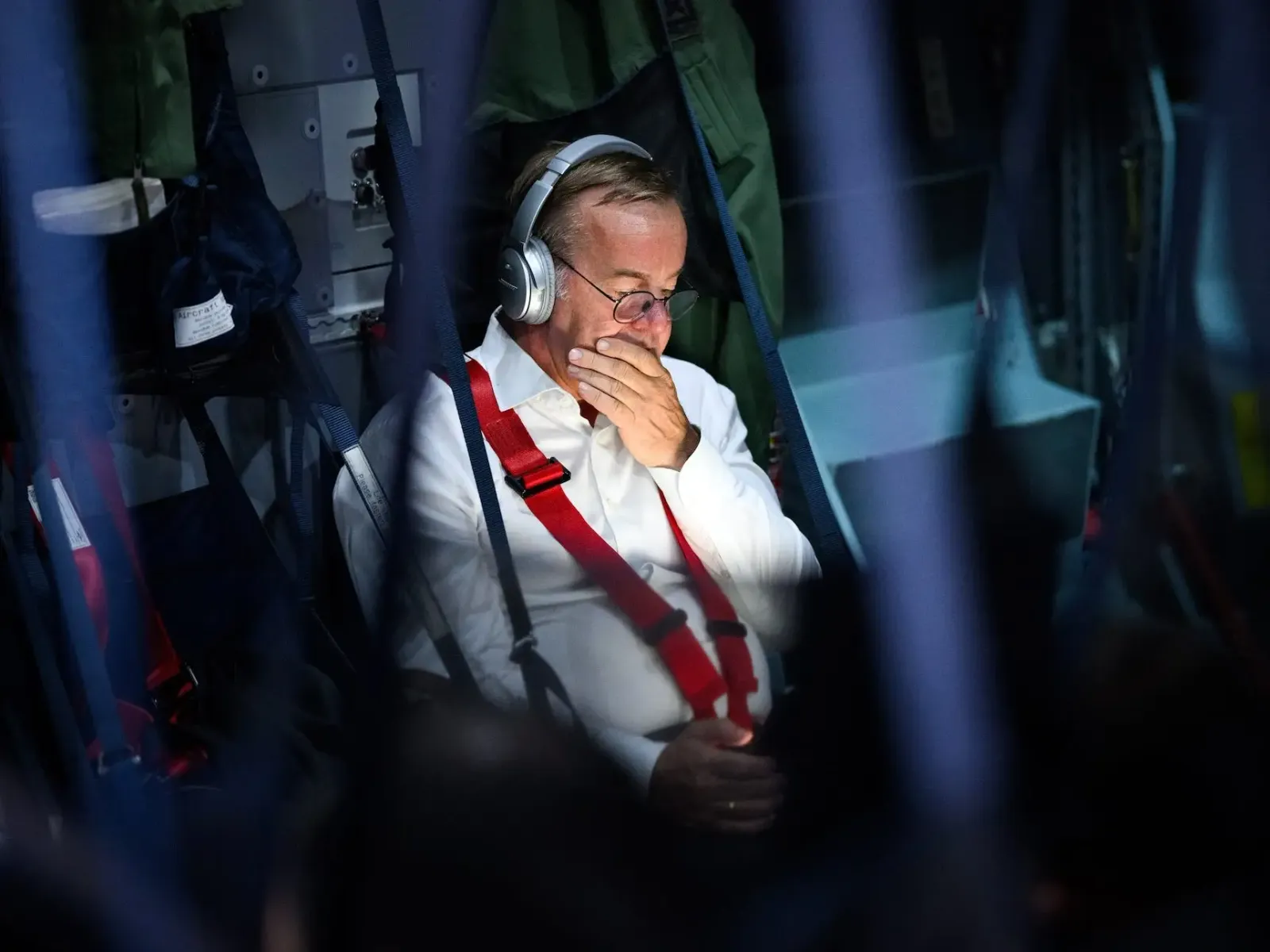
Germany’s defense minister Boris Pistorius says Germany will assume responsibility for some assets the United States is withdrawing from Europe as NATO allies face capability gaps. NATO leaders meeting in Ankara next week are expected to focus on how and how fast European forces can shoulder more responsibility as the US reviews posture and ends some deployments.
Germany’s defense minister Boris Pistorius just framed the problem in blunt operational terms: “It is happening,” he said in June, and Germany will assume responsibility for assets the US is withdrawing from Europe. He also warned that the transition has to be orderly so “nobody - including the Americans - should have any interest in seeing dangerous capability gaps arise as a result of a disorderly withdrawal that cannot be compensated for in a timely manner.” NATO leaders meeting in Ankara next week are expected to zero in on the same question: how quickly Europe can shoulder more responsibility as the United States reduces its military role on the continent.
What makes this more than a political talking point is that the US has notified European allies that it will withdraw some forces, leaving capability gaps. In other words, this is not just about Europe “spending more.” It is about replacing specific US-linked capabilities under time pressure, at a moment when European governments are increasing defense spending and expanding military capabilities but many acknowledge the continent will need time to replace key US assets. The worry, as the debate keeps returning to, is what happens if a major security crisis emerges before the transition is complete.
To understand the stress-test NATO leaders are effectively running, look at a recent German wargame simulating a Russian attack on Lithuania. The exercise, developed by WELT together with the German Wargaming Center at Helmut Schmidt University of the German Armed Forces, was designed around a scenario where US support is uncertain. It centered on Berlin, as Germany is NATO’s largest economy, serves as a logistical hub for reinforcing the alliance’s eastern flank, and has pledged to build the continent’s strongest conventional army. In the wargame, the scenario began after a ceasefire in Ukraine, and it assumed a US administration determined to avoid being drawn into another war in Europe.
One of the wargame’s central variables was the role of the United States. Washington, represented by former US diplomat and NATO official Jeff Rathke, initially declined to discuss invoking NATO’s collective defense clause after Russian troops entered Lithuania. Since the scenario was published, the question of how quickly, and to what extent, the US would become involved in a future European crisis has only intensified. That is because Washington is reviewing its military posture in Europe, plans to withdraw capabilities from NATO’s force model, and ended the rotational deployment of more than 1,000 US troops in Lithuania without an immediate replacement.
The alliance dynamics around this uncertainty are also part of why the wargame landed. The results were first published in German earlier this year, drawing international attention. NATO Secretary General Mark Rutte responded publicly, saying the alliance was “well prepared” to respond to any attack against its members. But other reactions pointed to a widening gap between confidence statements and operational timelines. Alexander Gabuev, director of the Carnegie Russia Eurasia Center, who played the Russian president in the wargame, said that since the outcome was first published, uncertainty surrounding the future US role has become “much more pronounced.”
There is also an external political thread running through all of this. The source notes that in April, US President Donald Trump said he was weighing whether to pull out of NATO, expressing frustration with alliance members resisting his calls to join offensive operations in the war on Iran. That kind of transactional pressure is exactly the type of environment that can turn capability planning into a moving target, even when everyone agrees the end state matters.
This week, WELT is releasing an English-language version of the five-part podcast “Ernstfall,” based on the wargame. The host is Carolina Drüten, the International Security Correspondent at WELT, and the podcast is titled “Ernstfall: What if Russia attacks NATO? Inside a German Wargame.” An English version is available on Spotify and Apple Podcasts, which matters because these scenarios are no longer trapped inside specialist circles. They are becoming part of the public conversation about defense readiness, procurement urgency, and who should do what if the US is slow or stops short.
Strategically, the wargame’s takeaway is uncomfortable in a very specific way. By the end of the exercise, Russia achieved its immediate military objective, while Germany remained focused on managing the crisis rather than altering its course. That suggests Germany’s biggest challenge is less about whether leadership exists and more about the speed and nature of political decision-making under pressure. For executives and board members thinking in terms of contingency planning, supply chain timelines, or operational continuity, that is the parallel to watch: capability is not just a budget line. It is a scheduling problem, and scheduling problems get expensive the moment reality shows up.
This story's Key Insights and Take-aways are locked.
Create a free account to unlock Executive Actions for one credit.
Register to UnlockAlways free for Executives Club members. Join the Club
More in Politics
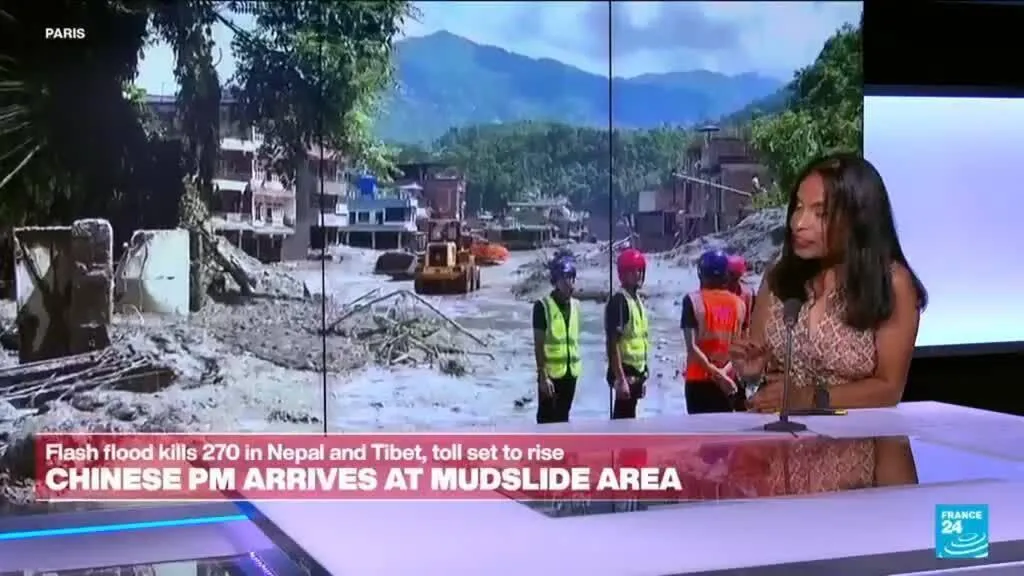
Glacial collapse, not rain, killed 180 in Nepal's Himalayan flood
The Himalaya's extreme geography hid the true cause of Nepal's catastrophic flood, a glacial collapse that turned a geological battleground into a mass-casualty zone.
Iran’s Esmail Baghaei says Oman talks start shipping via Hormuz, not US talks yet
Temporary route plans with Oman aim to restart commerce while Tehran says Washington dialogue is not on the table.
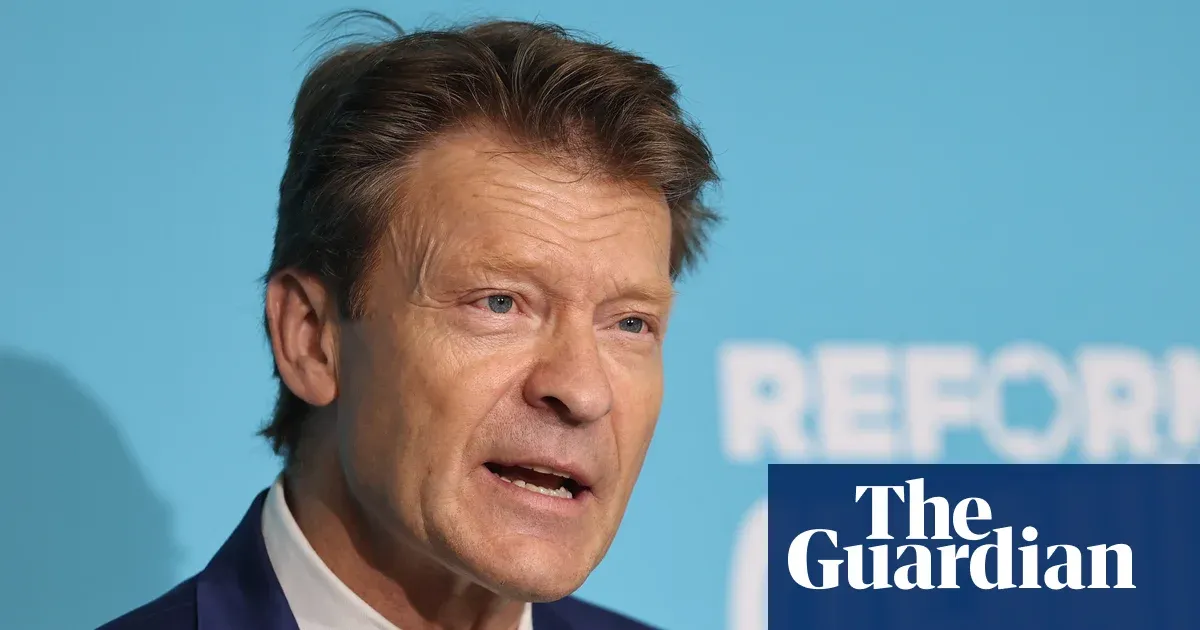
Standards watchdog opens probe into Reform UK deputy leader Richard Tice over interests
The parliamentary standards commissioner says it began an investigation on 28 July into a possible undeclared interest.