

US says Iran talks continue as both sides pause strikes, avoiding escalation
A US call to keep negotiations moving comes with a concrete ceasefire pause, changing the risk math for regional actors.

The US said talks with Iran will continue while both sides pause strikes. For decision-makers, the immediate consequence is a short-term de-escalation window that could either stabilize markets or collapse back into escalation fast.
The US says talks with Iran will continue, with both sides pausing strikes. That single detail matters because in conflicts like this, the difference between “negotiating” and “escalating” can be measured in hours, not weeks. A strike pause creates a breathing space for diplomacy, but it also becomes a test of whether both sides can stick to the same rules long enough to move beyond stalemate.
According to the US, both sides are pausing strikes while the talks carry on. In other words, this is not a vague ceasefire aspiration. It is a negotiated operational rhythm: pause now, talk now, then decide what comes next. For leaders watching the situation, the key question becomes how durable that pause is, and what happens if either side tries to gain tactical advantage while the other is constrained by the pause.
To understand why executives and boards should care, zoom out to how US-Iran diplomacy typically works. The United States has often treated engagement with Iran as a pressure-and-process combination: diplomacy proceeds while deterrence remains in place, because neither side wants to be seen as surrendering leverage. In practical terms, a strike pause is both a signal and a constraint. It signals that escalation is temporarily off the table, and it constrains the incentives to act first with military force.
This is also why “talks continue” is the real headline in the real world. Negotiations are not just political theater; they are the mechanism through which sanctions design, enforcement posture, and off-ramps are coordinated or at least discussed. When talks are ongoing, governments typically adjust their internal risk controls. That means calmer contingency planning for companies with exposure to shipping, energy markets, defense supply chains, or compliance-heavy operations tied to regional trade routes.
Still, the pause does not erase underlying tensions. A pause can reduce immediate kinetic risk, but it can also harden positions. If one side believes the other is using the pause to regroup, delay, or improve its negotiating stance, the incentive to reintroduce strikes can increase the moment the pause ends or is perceived as unevenly enforced. Executives should think of it like a temporary voltage drop in an electrical system. The power is still there. The question is whether the system stabilizes.
There is also a governance angle. When the US says talks will continue and both sides pause strikes, it implies coordinated messaging across multiple channels. That matters for internal decision-making, because markets and risk committees react to clarity. Even a limited, time-bound pause can be enough to lower stress in the short term, which can change board-level posture on things like hedging, contingency hiring, insurance terms, and contract interpretation for force majeure or supply disruption clauses.
Second-order implications are where most people miss the story. A pause in strikes affects more than missiles and headlines. It affects shipping schedules, insurance risk premiums, and the operational assumptions that procurement teams build into lead times. It can also shift how regulators and policymakers communicate, since enforcement credibility is often intertwined with whether there is a visible negotiating track. If talks continue, compliance teams may see reduced likelihood of sudden policy shocks. If the pause fails, compliance teams usually have less time to adapt than the marketing or operations teams do to explain the disruption to customers.
The strategic stakes are straightforward for leaders managing geopolitical risk. The US statement that talks will continue, while both sides pause strikes, is a narrow window of reduced escalation risk. That window can support negotiations, but it can also expose fragility if either side doubts the other’s commitment. For executives and boards in adjacent sectors, the practical takeaway is to treat this as a dynamic risk regime: plan for the possibility of continued de-escalation, but keep escalation playbooks ready because the pause itself is the variable under stress.
This story's Key Insights and Take-aways are locked.
Create a free account to unlock Executive Actions for one credit.
Register to UnlockAlways free for Executives Club members. Join the Club
More in Politics
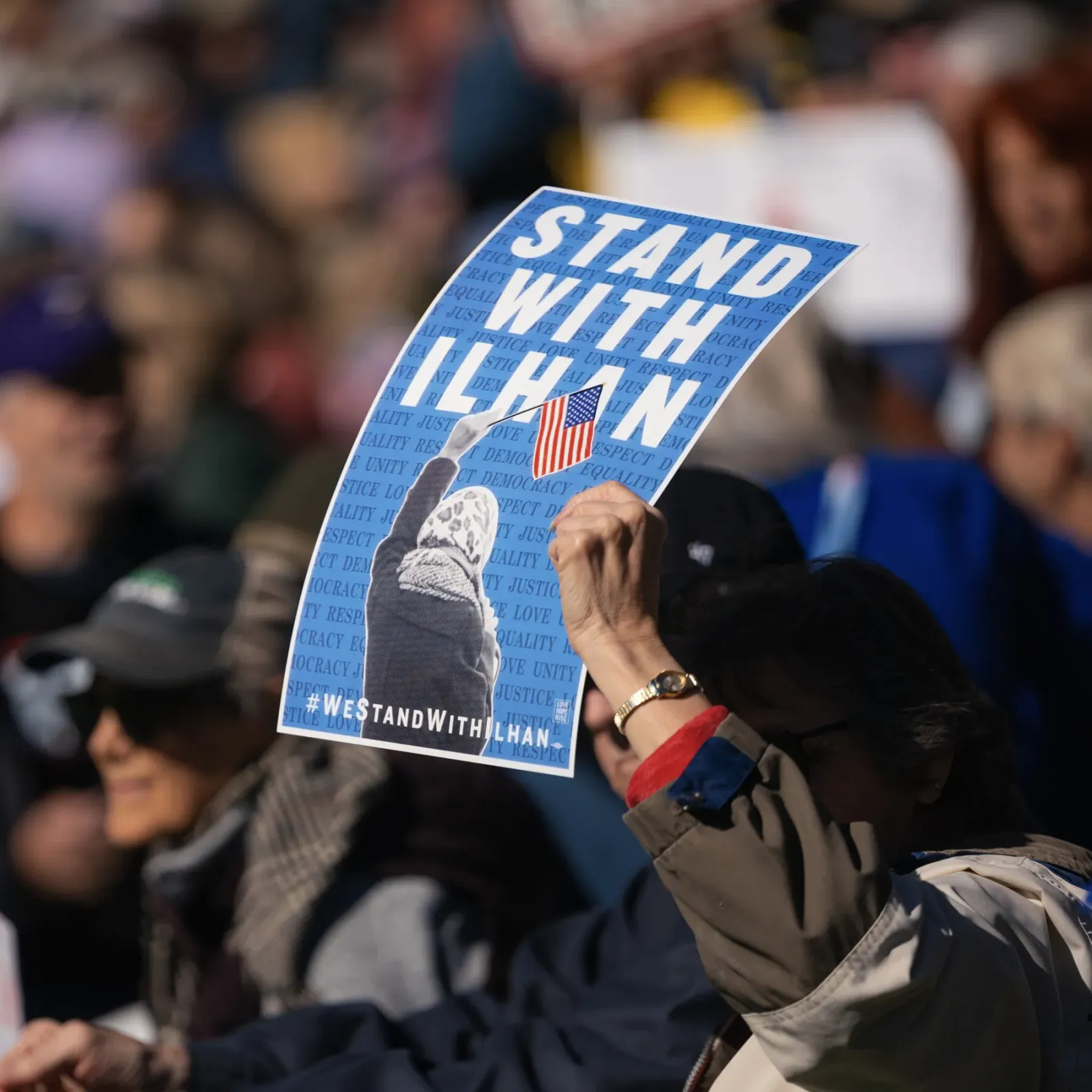
Obama Defends Ilhan Omar After Agents Search Her Home in Trump Inquiry
The former president's intervention raises the stakes in a federal probe into immigration paperwork that has put a prominent progressive lawmaker in the crosshairs.

Blair-era minister: cut welfare to fund youth job support
Alan Milburn's call for welfare cuts to fund employment support opens a Labour fight over benefits and the Neet crisis.
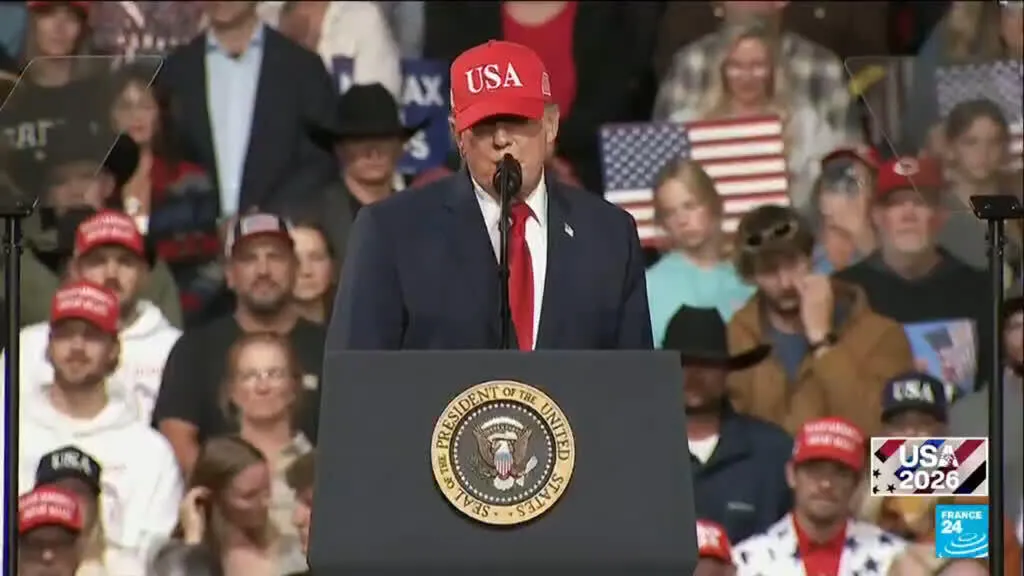
Hot September CPI: energy costs surge, voters feel the squeeze before midterms
The latest inflation print lands as Trump campaigns for GOP control of Congress, putting cost-of-living worries at the center of the midterm fight.