

Vantora, once UP.Labs, raises $100M to build physical AI startups
The rebranded venture builder is doubling down on AI for the physical world - here's what it means for corporate innovation.

Vantora, formerly UP.Labs, has raised $100M to continue building startups for industrial corporations, with a sharpened focus on physical AI. The raise signals growing investor appetite for venture studios that bridge big industry and AI startups.
The startup studio formerly known as UP.Labs has a new name and a fresh $100M to burn. Vantora, as it's now called, raised the capital to keep building companies for industrial corporations, and it's doing so with an all-in bet on physical AI, according to a TechCrunch report. That's a big number for a venture builder - a model that sits somewhere between an accelerator and a corporate R&D lab.
To be clear, the $100M is not a valuation or revenue; it's the amount of new funding Vantora has secured to fuel its next wave of company creation. The money will presumably be used to spin up new startups, hire technical talent, and support its portfolio as it scales. While the company hasn't disclosed a detailed allocation, the strategic direction is unmistakable: physical AI - the application of artificial intelligence to robotics, manufacturing, and other physical systems - is where Vantora sees the next decade of industrial disruption.
For the uninitiated, a startup studio works like this: instead of waiting for entrepreneurs to pitch ideas, the studio itself conceives, builds, and launches companies, often in partnership with a large corporation that provides domain expertise, distribution, or capital. Vantora's model has been to embed itself with industrial giants, creating startups that solve their specific problems while also standing on their own. It's a hybrid model that de-risks innovation for corporations that can't move fast enough internally.
The focus on physical AI is particularly timely. As the world's factories, supply chains, and logistics networks digitize, the bottleneck isn't data collection - it's the intelligence layer that turns that data into action. Physical AI promises to close that gap, enabling machines to perceive, reason, and act in real time. Investors have poured billions into this space, from autonomous vehicles to warehouse robotics, and Vantora is positioning itself as a talent and idea factory for that wave.
The rebrand from UP.Labs to Vantora is more than cosmetic. It signals a maturation of the company's identity as it scales beyond its early days. A name change often accompanies a strategic pivot, and here it aligns with the sharper focus on physical AI. For corporate partners, the new name may also serve as a cleaner brand to attach to their innovation efforts, rather than a generic "labs" label.
The broader context: corporate innovation is notoriously difficult. Studies have shown that most corporate R&D efforts fail to generate meaningful returns, and internal venture arms often struggle to move at startup speed. This is why venture studios have gained traction - they offer a structured, externalized way to build new businesses while keeping corporate resources and expertise in play. Vantora's raise suggests that this model is gaining legitimacy with investors, especially when paired with a hot sector like AI.
For executives, this is a signal to pay attention. If you're leading an industrial company, you may soon be approached by a venture studio or be tempted to build your own. The key is to understand what you're buying: not just technology, but a process for continuously generating new ventures. Physical AI is not a far-off fantasy; it's already embedded in predictive maintenance, autonomous forklifts, and computer vision on assembly lines. The question is whether your company will be a creator of these solutions or a buyer.
Ultimately, Vantora's $100M raise is a bet that the next wave of industrial value will be created by new companies built with AI at their core. For peers in the venture and corporate world, it's a reminder that the winners won't just be the startups themselves - they'll be the ecosystems that can spin them out at speed. Watch what Vantora builds next; it's a preview of the industrial landscape a decade from now.
This story's Key Insights and Take-aways are locked.
Create a free account to unlock Executive Actions for one credit.
Register to UnlockAlways free for Executives Club members. Join the Club
More in Technology
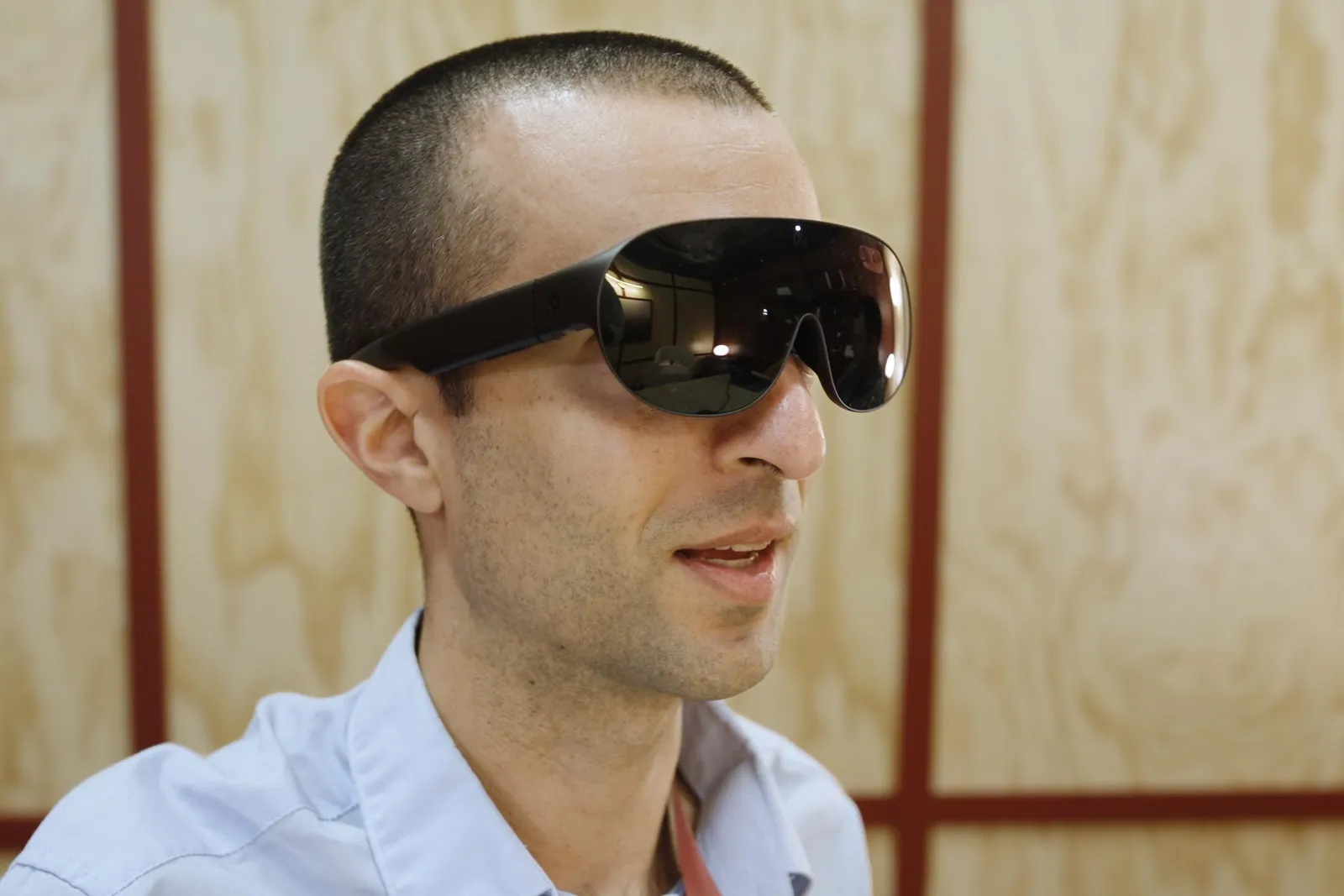
Meta's VR Glasses sit on your ears, not your face - and they're launching
The new form factor trades the head strap for a pocket computing puck, aiming to make VR lighter and more approachable than Quest or Vision Pro.

OpenAI poaches Patreon co-founder Sam Yam and two execs for creator push
OpenAI lands three Patreon veterans to build creator tools, signaling a major bet on the creator economy ahead of a big announcement.
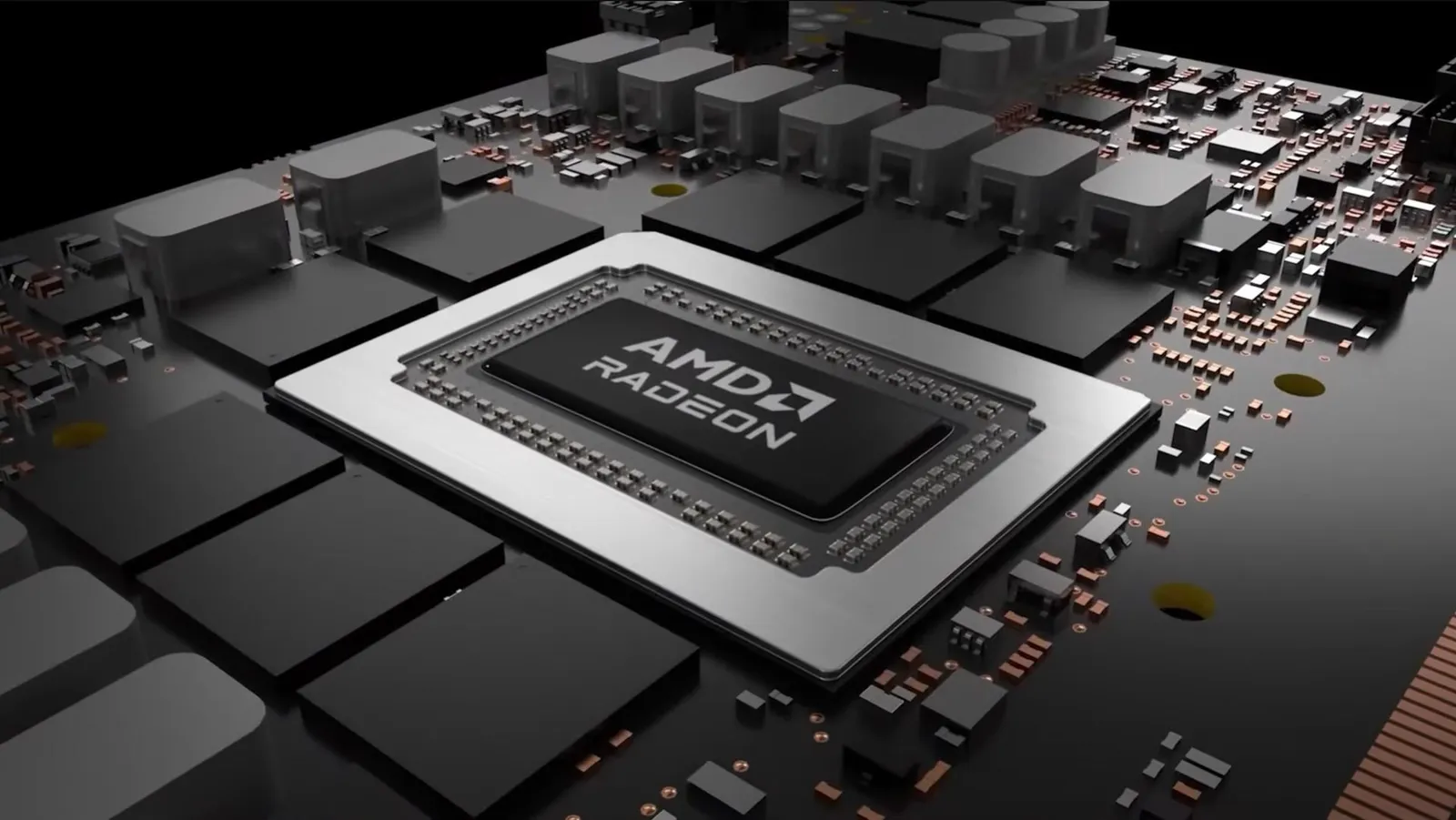
AMD's one-line Linux patch reveals GDDR7 support for RDNA 5
The tiny code change lands as Nvidia ships GDDR7 on RTX 50-series, and it hints AMD's next-gen cards arrive by 2027-2028.