

Venezuela’s 4.6 aftershock hits La Guaira as search windows for survivors shrink
A 4.6 quake struck Monday at 7:01 a.m., reviving fear in Caracas while teams combed rubble five days after twin earthquakes.
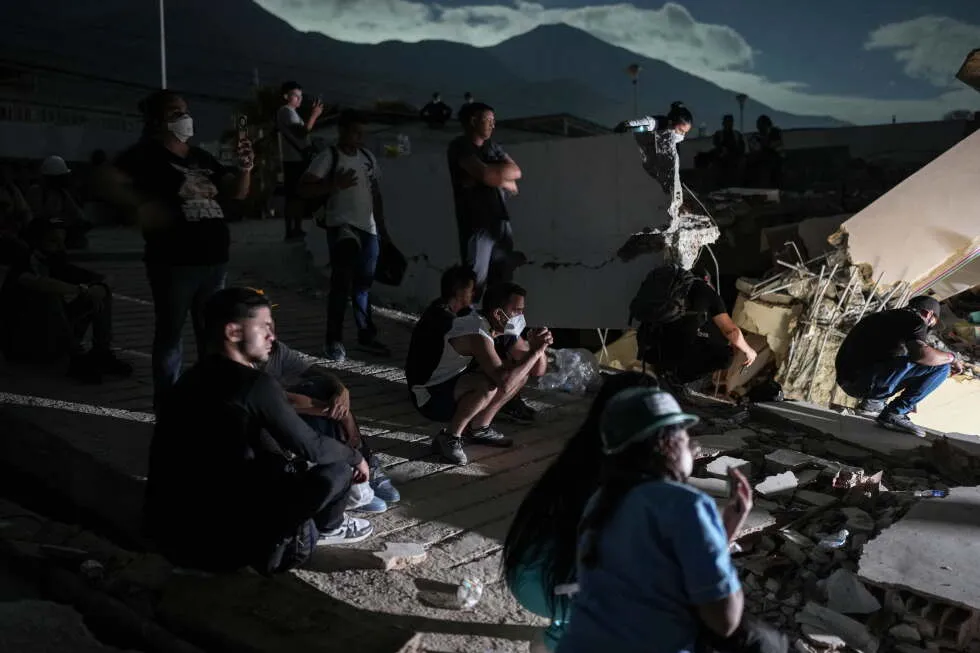
An aftershock of 4.6 struck Venezuela early Monday, according to the United States Geological Survey, rattling La Guaira and prompting screams in Caracas. For decision-makers watching disaster-response capacity, the key consequence is how quickly time, equipment, and access determine survival outcomes after the first 72 hours.
LA GUAIRA, Venezuela - The search for survivors in Venezuela just got harder again. Five days after back-to-back earthquakes struck northern Venezuela and killed more than 1,450 people, a 4.6 magnitude aftershock rumbled through the disaster zone early Monday, while residents and emergency responders kept combing the ruins.
The aftershock hit about 27 kilometers (17 miles) north of Caraballeda on Venezuela’s Caribbean coast at 7:01 a.m. local time, and the United States Geological Survey measured it at 4.6 on the Richter scale. Colombia’s geological survey put the magnitude at 5.1. Even with official reports of no immediate additional damage, the tremor sent residents in Caracas screaming into the streets.
This is the part that doesn’t make headlines the way the first quake does, but it is arguably where outcomes get decided. Relief organizations say the first 72 hours after a natural disaster is the most crucial time period for rescues, though survival can extend if people have access to food and water. But in La Guaira, the “window” is shrinking in real time. Families kept vigil at search sites, while local and international rescue teams pushed through exhaustion and the grim knowledge that the chances of finding life beneath collapsed buildings diminish as days pass.
At one collapsed apartment building in La Guaira, Ana Rada watched civil defense workers search for her missing brother. She said, “We have to stay strong, even without food, without sleep,” wiping her eyes. “Until I see the body, I still have hope.” Her words capture a brutal arithmetic that executives understand even when the boardroom is far away: delays and shortages have compounding effects. When rescue teams run low on supplies or access, and when communications and logistics lag, the operation stops being about “effort” and becomes about “probability.”
The aftershock also reopened the psychological wound. AP reports that the tremor sent residents in Caracas screaming into the streets. Concepción Hernández, 51, who evacuated her apartment building in the Chacao municipality, told AP, “Here we are again, back in the street. I don’t know when we’ll have a moment of true peace.” For a country already absorbing the shock of twin quakes, the second jolt is both a physical threat and a signal that the ground is still unstable. In disaster-response terms, it can disrupt ongoing searches, shift resources, and force people to choose between staying near rubble and leaving for safety.
One of the most revealing parts of Monday’s coverage is who ended up doing the work when institutional capacity was thin. Volunteer Jean Sosa, a miner who joined rescue teams in La Guaira, described an odyssey shaped by deportation and disrupted paperwork. He said he was deported from the United States in January over a missed immigration court hearing and arrived in Caracas last month. He described a journey that involved traveling by bus through five countries after immigration agents left him in southern Mexico without his passport, phone or wallet. He was 31.
Sosa said he was checking on family friends in La Guaira when the earthquakes hit Wednesday, and for days he raced to pull people from the rubble in the absence of national rescue teams. He told The Associated Press he believed “many people could have been saved if there had been equipment and support from top authorities from the very beginning,” wearing a helmet and a black T-shirt splotched with dust. He said he had already rescued 20 people alive in the port city. For him, those rescues heartened him, but the bigger point was what he said was missing: supplies and support.
Then came the operational detail that matters for leaders in any crisis, not just this one. Sosa said, “We’re working without gloves, without equipment, borrowing supplies, improvising ba…” The sentence cuts off in the provided source, but the intent is clear. In the real world, improvised response is what you get when procurement, logistics, and mobilization do not scale fast enough. For boards and executives, that is not a distant humanitarian concern. It is a stress test of governance: how fast authorities activate partners, how quickly they secure critical gear, how reliably they move it, and how effectively they coordinate with volunteers and international teams when the situation is moving by the hour.
Jorge Rodríguez, leader of the Venezuelan National Assembly, said there were no immediate reports of additional damage after the aftershock. But the tremor still sent people back into fear mode, and responders back into search mode. That combination is the strategic stakes buried inside natural events. For peers in government-adjacent roles, nonprofits, contractors, and investors tracking resilience and response industries, the case highlights a hard truth: after the first emergency rush, success depends on sustained capacity, equipment readiness, and the ability to keep operating even when hope is thinning.
And when an aftershock hits at 7:01 a.m. and shaking is felt in the capital, the message is immediate. This is not a clean “case closed” timeline. It is an ongoing risk environment. For decision-makers, the question shifts from “How do we respond to the quake?” to “How do we keep rescues effective when the next tremor, the next day, and the next shortage arrive before survivors are found?”
This story's Key Insights and Take-aways are locked.
Create a free account to unlock Executive Actions for one credit.
Register to UnlockAlways free for Executives Club members. Join the Club
More in Politics
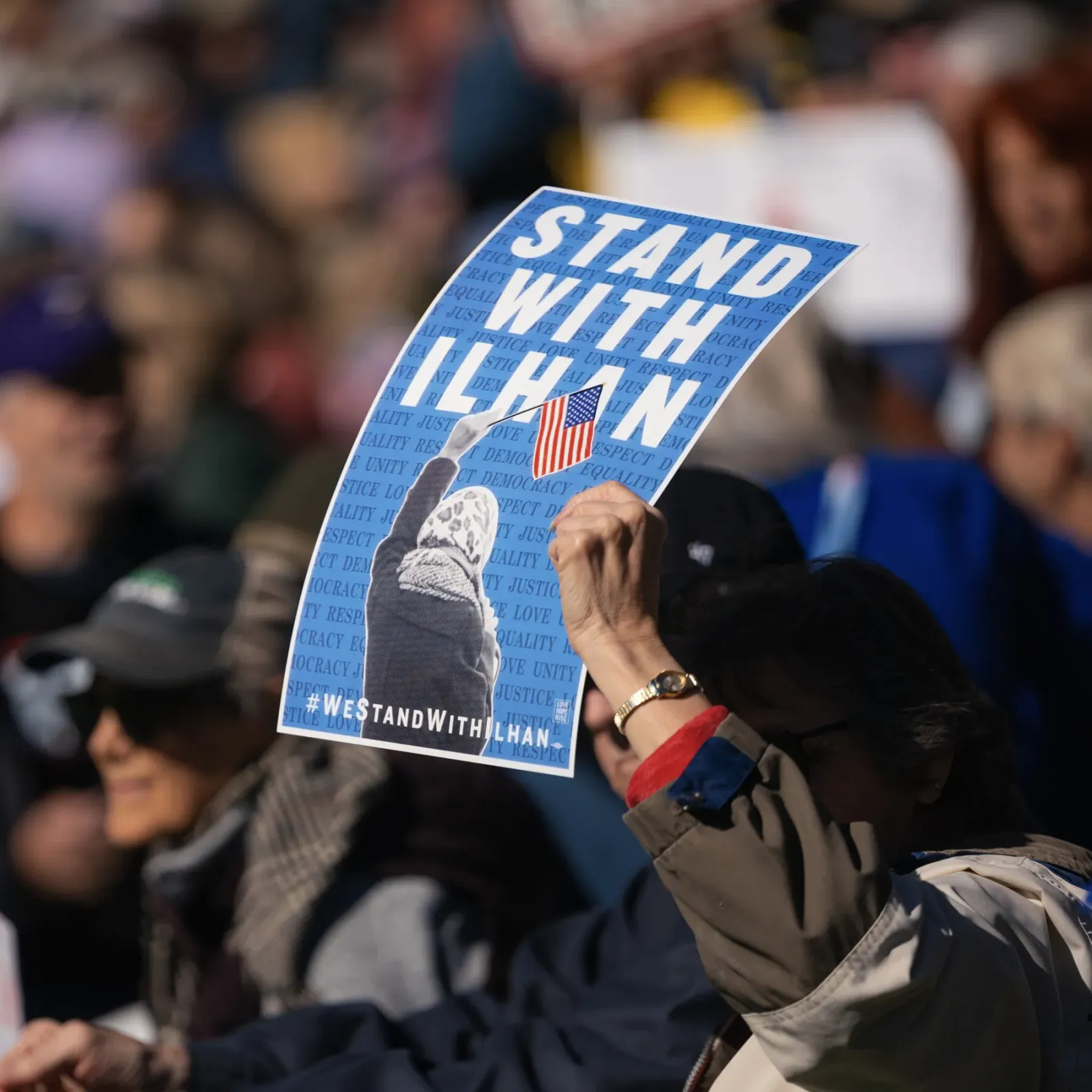
Obama Defends Ilhan Omar After Agents Search Her Home in Trump Inquiry
The former president's intervention raises the stakes in a federal probe into immigration paperwork that has put a prominent progressive lawmaker in the crosshairs.

Blair-era minister: cut welfare to fund youth job support
Alan Milburn's call for welfare cuts to fund employment support opens a Labour fight over benefits and the Neet crisis.
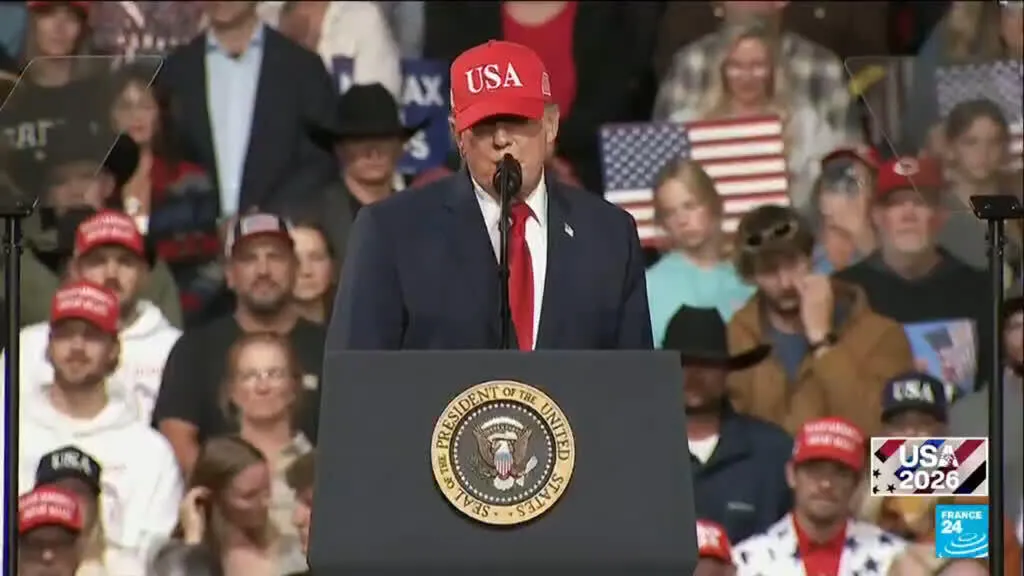
Hot September CPI: energy costs surge, voters feel the squeeze before midterms
The latest inflation print lands as Trump campaigns for GOP control of Congress, putting cost-of-living worries at the center of the midterm fight.