
Walmart, Shopify and Meta built AI checkout. Shoppers won't hand over the card.
Three commerce giants have wired AI agents into payments, but the default still routes every order past a human yes, and that friction is the whole ballgame.

Walmart, Shopify and Meta have each built ways for AI agents to pay, but by default those tools still require the shopper to approve each order before money moves. That single default, not the intelligence of the agents, is what will decide which platforms capture agentic commerce and which merchants end up absorbing the risk.
Walmart, Shopify and Meta have each built a way for AI agents to pay. The catch is the default: those tools still stop and ask the shopper to approve every single order before any money moves. That one design choice is the most important thing happening in retail right now, and it explains why this holiday season looks the way it does.
Shoppers are perfectly happy to let an AI agent do the hunting. They will hand it a vague brief, let it scan reviews, compare prices, and build a cart. Then, at the moment the card has to come out, they take the wheel back. The agent gets to shop. The human keeps the wallet. That split is the entire state of agentic commerce in one sentence, and it is a much bigger deal than it sounds, because it tells you exactly where the technology has cleared the trust bar and where it has not.
Look at who built the plumbing and the hesitation gets more interesting. Walmart is a retailer with its own shelves, its own app, and its own checkout, so an agent that can pay inside Walmart is an agent that can convert Walmart's own traffic. Shopify supplies the commerce layer for a sprawling universe of independent merchants, which means any payment capability it ships reaches far beyond a single storefront. Meta sits upstream, where discovery happens, on the surfaces where people already scroll, message, and get sold to. Three different positions in the stack, three different reasons to want an agent that can close the sale. All three, by default, still route the final yes through a person.
That default is not timidity. It is liability. Payments have a long, well-worn chain of responsibility: when a charge is unauthorized, someone eats it, and historically that someone has been the merchant or the card issuer, not the shopper. An AI agent acting on a loose instruction sits awkwardly in that chain. Did the shopper authorize the purchase, or just the search? What happens when the agent buys the wrong size, the wrong color, or the wrong quantity? Those look like customer service problems, but they land on the balance sheet as payments problems, and they get expensive fast.
Consumers, meanwhile, are behaving rationally. They have spent years being trained to treat their card number as the last thing they hand over. They have watched subscription traps, card skimming, and a steady drumbeat of fraud. Letting an autonomous system spend is a different category of trust than asking it to compare two blenders. The finding that shoppers will let agents find gifts but not pay for them is not a contradiction. It is a very sensible line drawn by people who understand exactly what they are protecting.
The cost of that line is friction at the worst possible moment. Every approval step is a pause at the point of conversion, and every pause is a chance for the shopper to reconsider, get distracted, or find the same thing cheaper somewhere else. For a retailer, that is real money walking out the door. But stripping the approval out without solving the liability question just moves the risk onto the merchant, who now has to absorb returns, disputes, and chargebacks generated by software it does not control and cannot fully audit.
This is why the interesting fight is not about which agent is smartest. It is about who writes the default. Approve-every-order is one model. Spend caps, merchant-scoped credentials, category limits, and time-boxed permissions are others, and each one redistributes risk differently between the shopper, the platform, the merchant, and the card network. The rules that govern who eats a bad transaction were written for a human tapping a button. Software acting on a shopper's behalf is a new case, and the standard is still being set, largely by product teams rather than regulators.
For anyone running a consumer business, the takeaway is blunt. The agentic shopping wave is real and it is already here at the top of the funnel. The bottleneck is the handoff, not the intelligence. Whoever makes the final yes feel safe, fast, and reversible will own the checkout of the next decade. Watch the defaults. When one of these companies quietly flips approve-every-order to something looser, that is the signal that the trust problem has been solved, or that someone has decided to absorb the risk. Until then, the agent shops and the human pays, and that gap is the whole opportunity.
This story's Key Insights and Take-aways are locked.
Create a free account to unlock Executive Actions for one credit.
Register to UnlockAlways free for Executives Club members. Join the Club
More in Business

GTA VI hauls $3.79bn in one day, out-earning every film ever made
Rockstar's own estimate covers a single Thursday plus a record 32.5m prerelease units, and it lands on every board weighing IP concentration, pricing power and launch risk.
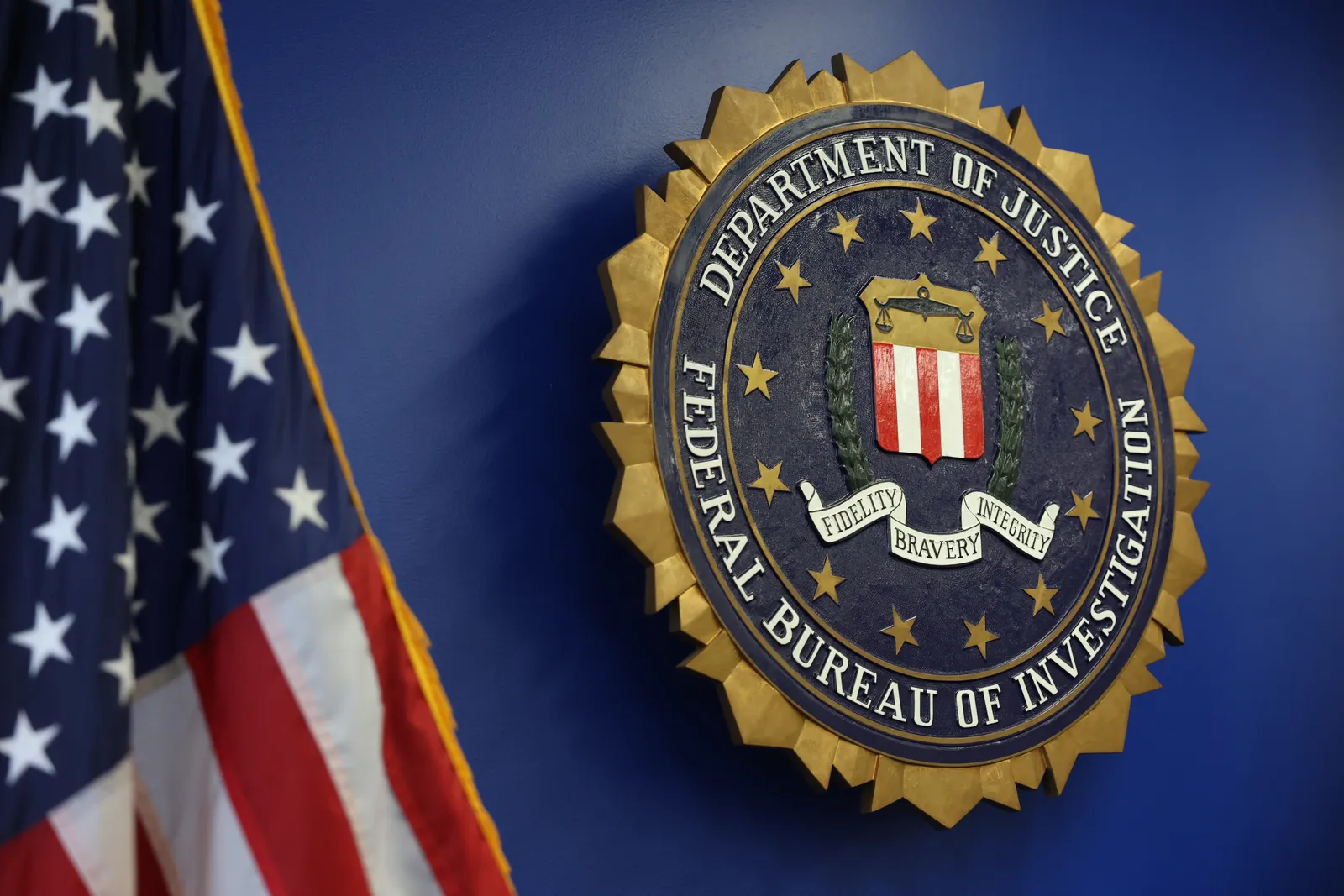
FBI's crime database breached again, the second hack in months
CNN reports hackers hit the National Crime Information Center, the shared backbone of US policing, and the repeat timing is the part every security team should study.

S&P 500 Enters Correction, Down 10% From Its High on AI Worries
The index's slide past the 10 percent line is a symbolic verdict on investor mood, and the AI trade that powered the rally is now the thing testing it.