
Wildberries CEO Tatyana Kim exits days after EU sanctions freeze her assets
Kim's departure from Russia's biggest online retailer, days after Brussels froze her EU assets and banned her travel and transactions, shows how fast a designation reshapes a company's org chart.
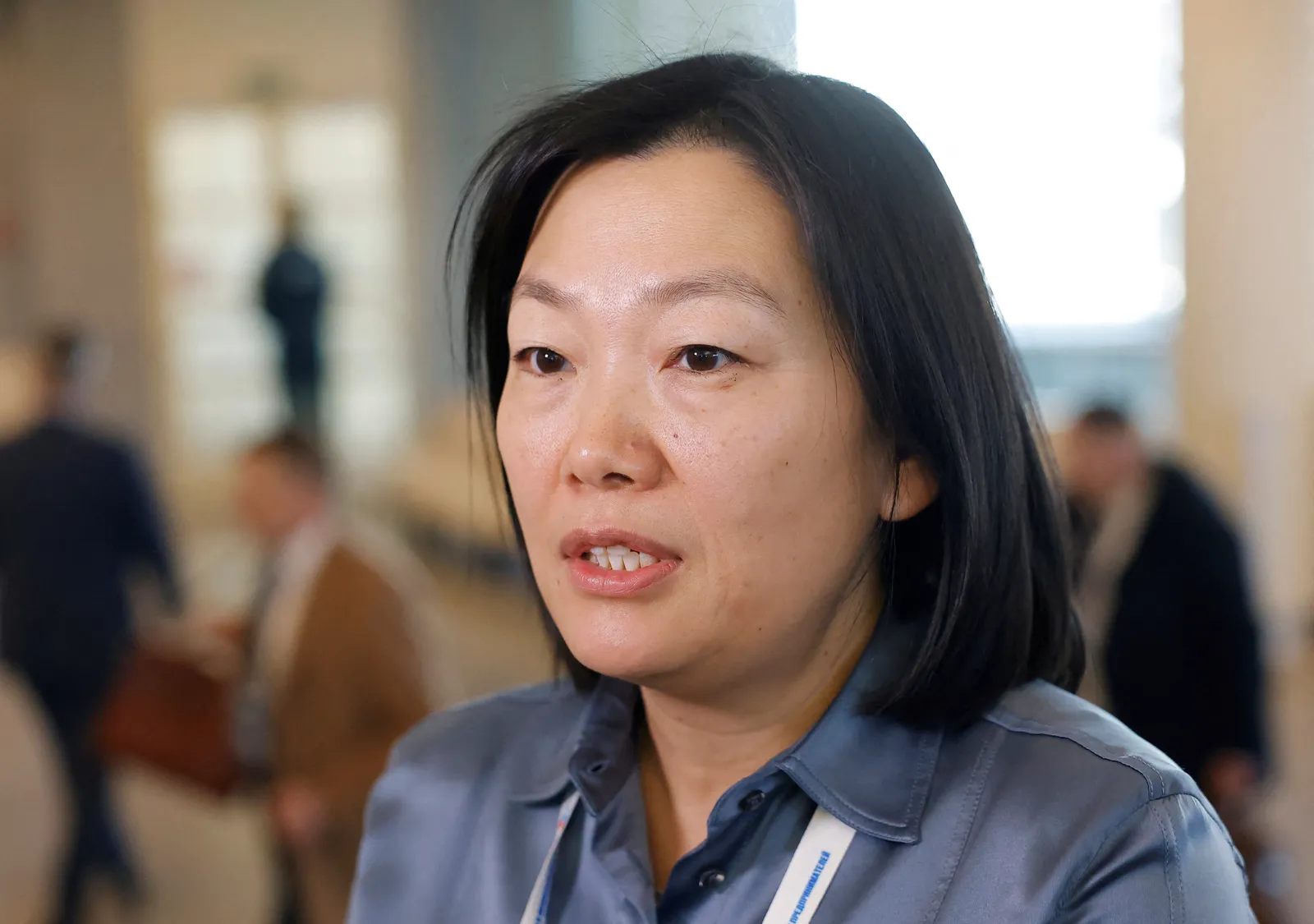
Tatyana Kim has stepped down as head of Wildberries, Russia's largest online retailer, days after the European Union added her to its Russia sanctions list, with Alexei Kulikov named as her replacement according to TASS and RIA. The timing shows how quickly a personal sanctions designation can force a leadership change at a major company, and why boards with cross-border exposure should treat succession as a compliance function.
Tatyana Kim is out as head of Wildberries, Russia's largest online retailer, Russian media reported Saturday, days after the European Union added her to its Russia sanctions list. TASS and RIA reported that the company has appointed Alexei Kulikov as its new CEO, citing a corporate filings register. Wildberries did not immediately respond to a request for comment. That is the entire official record so far, and it is already enough to move the story: the person at the top of Russia's biggest e-commerce business left her post within days of Brussels putting her name on a list.
The sanctions themselves are not symbolic. Kim faces an asset freeze inside the EU, plus travel and transaction bans. In practice, a transaction ban typically means EU individuals and companies are prohibited from making funds or economic resources available to the listed person, directly or indirectly. For a chief executive, that is a wall around an entire category of business: European banks, payment processors, logistics providers, advertising platforms and software vendors all have to treat contact with her as legal risk. An asset freeze goes further, locking any EU-held property or accounts. A travel ban removes the ability to show up in Brussels, Frankfurt or London to negotiate.
Wildberries is not a niche player. It is Russia's largest online retailer, a marketplace that sits between sellers and consumers at national scale, and its operations depend on warehouses, sorting capacity and delivery reach. When the top of a company that size changes hands, the read-through is rarely just personnel. It is a signal about how sanctions risk gets priced into Russian corporate governance, and about which counterparties are quietly deciding that proximity to a designated individual is a cost they no longer want to carry.
The standard playbook when a principal is designated is separation. Companies typically move the listed person out of an operating role and install a replacement who is not on any list, so that banks, suppliers and partners can keep dealing with the entity without tripping compliance reviews. Kulikov's mandate, on that reading, is less about strategy than about continuity: keep the marketplace running, keep sellers paid, keep the payment rails open, and give non-Russian counterparties a name they can put on a contract without a legal memo attached.
Caution is warranted on causation. The reports, from TASS and RIA, cite a corporate filings register and give no reason for the departure. The company has not commented. It is possible the exit was planned, or that it reflects internal dynamics that have nothing to do with Brussels. But markets and counterparties read sequences, not statements, and the sequence here is a designation followed within days by a leadership change at the largest retailer in the country.
The second-order effects are where this gets interesting for anyone running a company with cross-border exposure. Personal sanctions have become one of the most effective tools in the EU's Russia toolkit precisely because they are cheap to impose and expensive to absorb. They do not require shutting down a business; they make the business awkward to bank, awkward to insure, awkward to advertise. Founders and majority shareholders with EU ties, EU accounts, EU real estate or EU-resident family members suddenly find that their personal balance sheet is a corporate liability.
For executives and boards outside Russia, the lesson is structural. Succession planning is now a compliance function. If a founder, chair or controlling shareholder is designated, or plausibly could be, the company needs a pre-cleared bench of people who can sign contracts, hold accounts and travel. That means mapping every director and major shareholder against EU, UK and US lists, documenting who can act if a principal is frozen out, and stress-testing payment, logistics and advertising partners for de-risking behavior rather than just legal exposure.
Watch two things from here. First, whether Kulikov's appointment is the whole change or the first of several, since sanctions-driven restructurings often start with a CEO and end with a shareholder register. Second, whether Brussels extends the list further into Russian e-commerce, which would tell you how seriously it views the sector as a channel for goods and money. Kim's exit is a personnel story on the surface. Underneath, it is a live demonstration of how fast a sanctions designation can reach into a company's org chart.
This story's Key Insights and Take-aways are locked.
Create a free account to unlock Executive Actions for one credit.
Register to UnlockAlways free for Executives Club members. Join the Club
More in Business
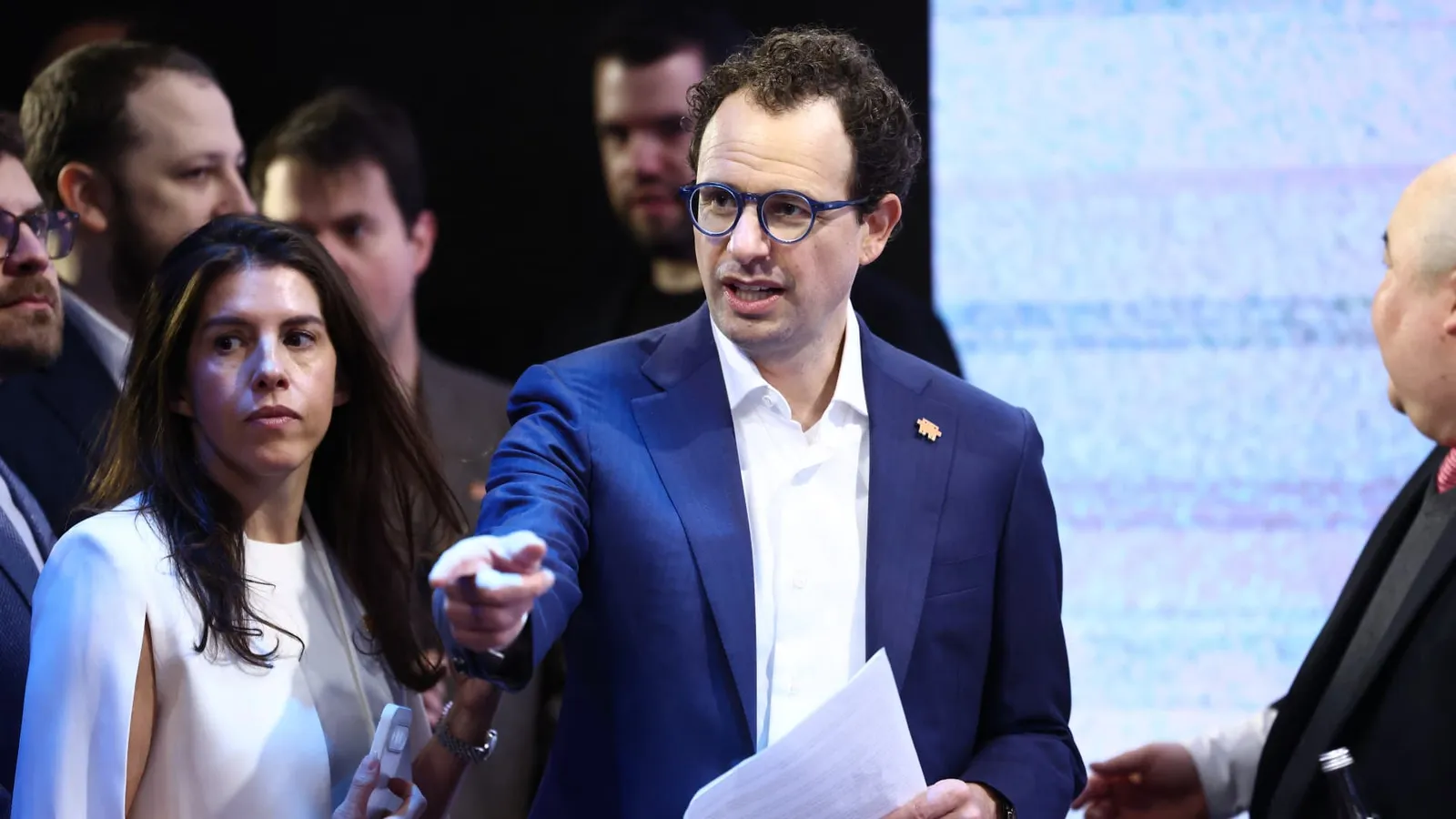
Anthropic's record IPO lands a day before Nvidia's longest losing streak since 2008
Anthropic's record Nasdaq debut and Nvidia's longest weekly losing streak since 2008 landed within 24 hours of each other, and the contrast shows how fast the market is re-pricing the AI trade.
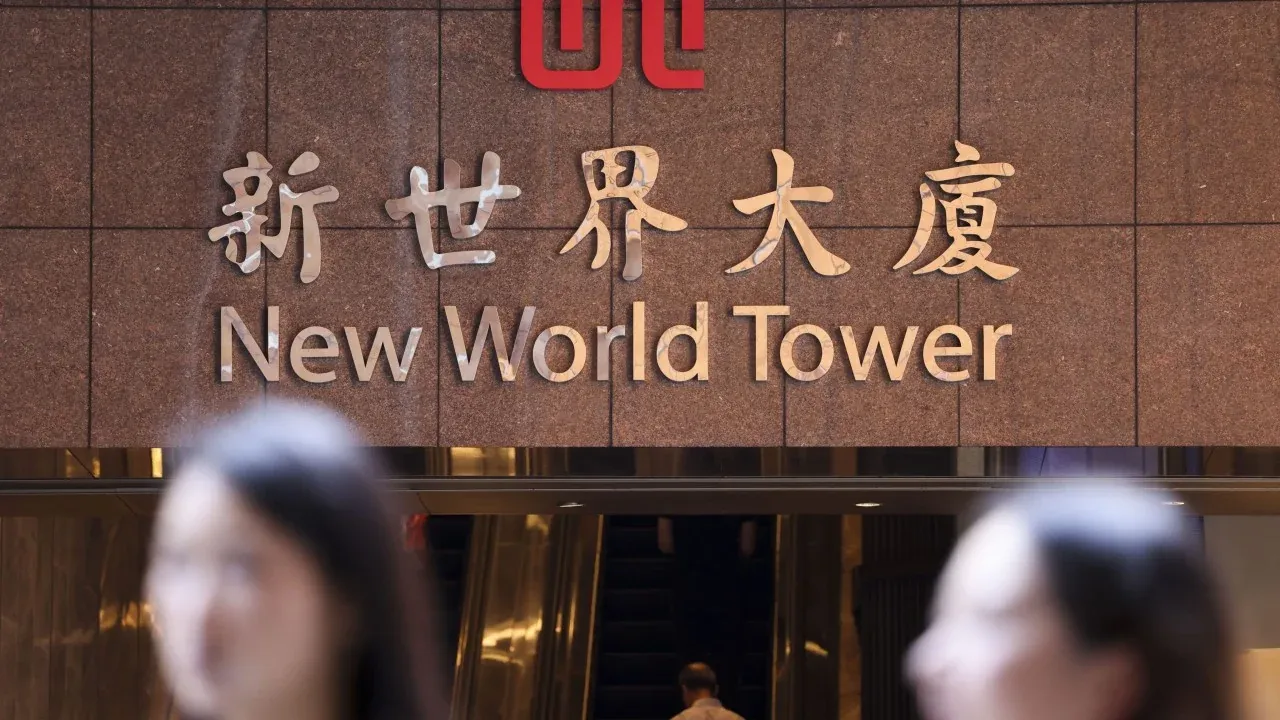
New World's HK$24.9B rights issue triggers 41% plunge as HK$50B debt target looms
New World Development has three levers left to erase up to HK$50 billion in borrowings by 2031, and shareholders just told the market what they think of the first one.
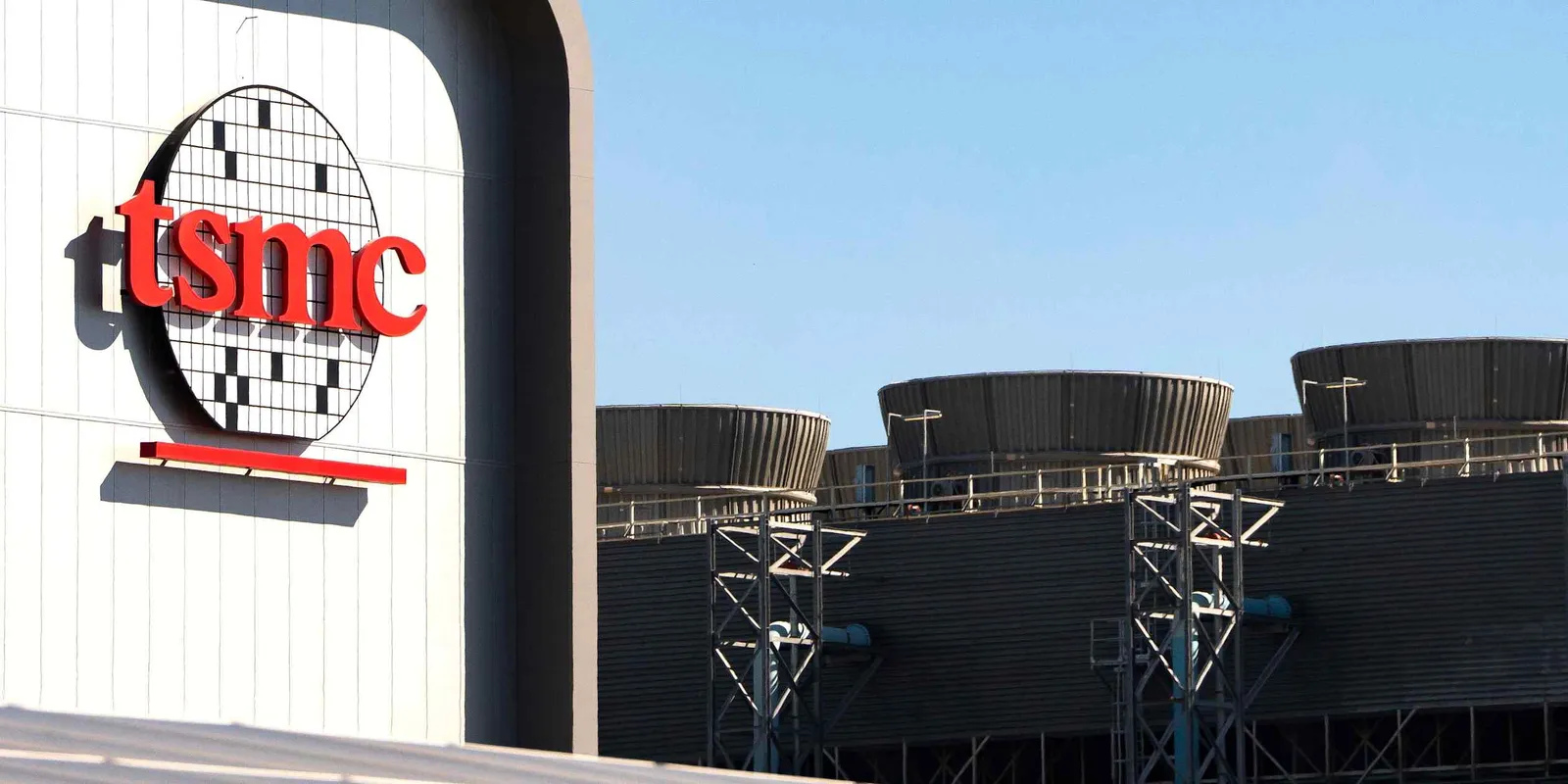
Chip supply chain warns new US export controls will spread beyond the target list
Suppliers, distributors and equipment makers say the latest US restrictions will not stay contained to the firms named on paper, putting orders, inventory and delivery timelines at risk across the global chip chain.