

World Cup’s soft-power experiment runs into hard power
Foreign Policy asks if sports diplomacy can survive a year where force has already set the terms.
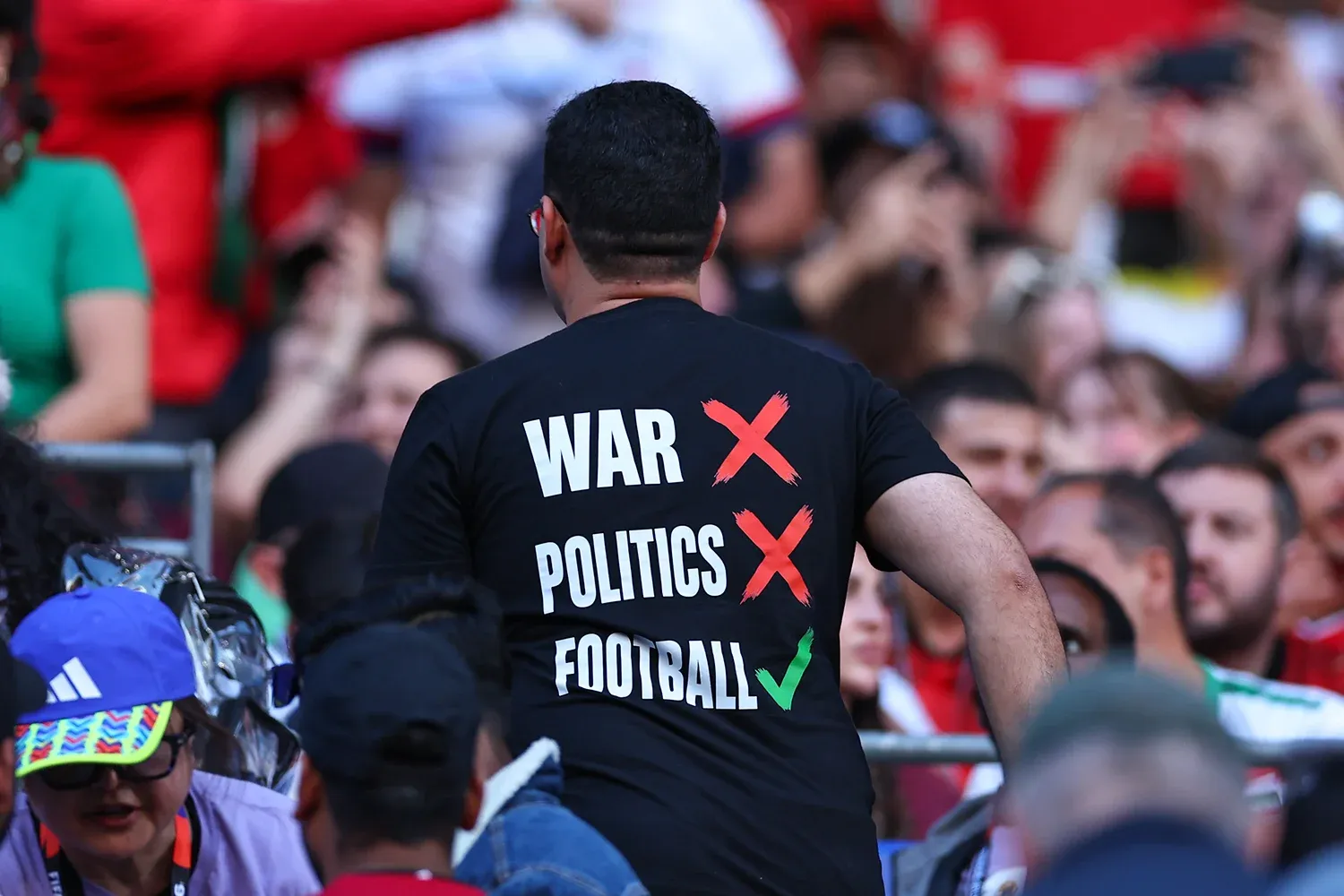
Foreign Policy argues that this year's World Cup bears the imprint of hard power. For decision-makers, the piece frames sports as a potential diplomatic channel that is increasingly constrained by geopolitics.
Hard power has left a mark on this year’s World Cup, and Foreign Policy uses that blunt fact to ask a bigger question: is sports diplomacy still possible when geopolitics keeps stepping on the whistle?
Sports diplomacy is the idea that games, teams, and athletes can open channels where official talks stall. The hope is that stadiums create shared experiences, soften narratives, and build low-friction relationships across borders. But the piece signals that this year’s World Cup did not unfold in a clean, apolitical bubble. “Hard power has left its mark,” the source notes, meaning the tournament is being interpreted through the lens of leverage, coercion, and the strategic realities states are dealing in, not just the romance of competition.
Why that matters is simple. When hard power dominates, sports stop being a neutral stage. They become a high-visibility arena where countries, sponsors, broadcasters, and even regulators face pressure to align with political lines. Even if the matches are about goals and tactics, the surrounding incentives are not. Media coverage, public messaging, and diplomatic signaling all start to treat the tournament as an extension of national strategy rather than a temporary truce.
There is also a structural reason sports diplomacy struggles under those conditions: sports are global, but politics is not. Major tournaments pull governments, corporations, and international institutions into the same calendar window. That coordination is usually the point. Everyone agrees to treat the event as bigger than any one side. This year, however, Foreign Policy suggests that the “bigger than” framing is being overwritten by hard power. In other words, the constraints arrive from outside the stadium, and they change how people inside the system behave.
For boards and executives, the second-order effect is reputational and operational. Organizations that touch the World Cup ecosystem, whether through sponsorship, broadcast partnerships, travel arrangements, hospitality, merchandising, or talent pipelines, typically depend on trust that the environment stays “manageable.” Sports diplomacy is a large part of that trust. It offers the promise of symbolic goodwill, which can buy time, reduce friction, and lower the temperature with stakeholders. If hard power has already made its imprint, that goodwill can evaporate quickly, because stakeholders will not just ask, “What did your brand do on the ground?” They will also ask, “Where did you land on the political spectrum?”
Regulatory background matters here too, even when the source does not go into specific laws. In practice, global sports events exist inside a web of policy: sanctions regimes, export and trade controls, anti-money-laundering expectations, labor and travel compliance, and rules around who can do business with whom. When geopolitics tightens, these compliance questions stop being theoretical. They become execution issues. That means the same teams that can focus on performance and logistics also have to plan around risk scenarios that originate in state actions rather than commercial disputes.
Capital and deal-making are also affected, because sponsors and partners price risk. In calm periods, sports can be a relatively steady brand platform. When Foreign Policy frames hard power as shaping the World Cup, the market interpretation shifts from “global entertainment” to “international political terrain.” That changes negotiation dynamics. It can influence contract structures, force additional approvals, and make stakeholders more cautious about brand exposure, athlete participation, or activation locations.
So, is sports diplomacy still possible? Foreign Policy’s framing is cautious. The presence of hard power implies that sports will not automatically translate into diplomatic progress. The tournament can still create moments of human connection, but the strategic meaning attached to those moments is increasingly contested. In that environment, diplomacy through sport becomes less like a master key and more like a tool you can use only when the broader lock allows it.
For executives, investors, and operators watching similar global events, the takeaway is not to abandon the idea. It is to treat sports diplomacy as conditional. If hard power sets the agenda, teams and organizations need to assume that symbolism will be read politically, incentives will be contested, and “neutrality” will require explicit operational discipline. The strategic stake is straightforward: the same event that can build relationships can also become a stress test for governance, compliance, and stakeholder alignment. And when hard power is already in the room, you should plan like it is.
This story's Key Insights and Take-aways are locked.
Create a free account to unlock Executive Actions for one credit.
Register to UnlockAlways free for Executives Club members. Join the Club
More in Politics

Glacial collapse, not rain, killed 180 in Nepal's Himalayan flood
The Himalaya's extreme geography hid the true cause of Nepal's catastrophic flood, a glacial collapse that turned a geological battleground into a mass-casualty zone.

Iran’s Esmail Baghaei says Oman talks start shipping via Hormuz, not US talks yet
Temporary route plans with Oman aim to restart commerce while Tehran says Washington dialogue is not on the table.

Standards watchdog opens probe into Reform UK deputy leader Richard Tice over interests
The parliamentary standards commissioner says it began an investigation on 28 July into a possible undeclared interest.