
Xiaomi’s EV robotic charger finally keeps Tesla’s 2014 promise, minus the manual plug
A garage arm that finds your car, plugs itself, and retracts at charge completion threatens to make “charging hassle” obsolete.

Xiaomi has unveiled a robotic charging arm for residential garages that automatically plugs and unplugs an electric vehicle. For decision-makers, it reframes a Tesla-era idea from “someday” into a product category that could change home-charging expectations and competition.
Xiaomi has unveiled a robotic charging arm for residential garages that automatically plugs and unplugs an electric vehicle without any owner intervention. The system is built around a simple promise: after you park, it detects the vehicle’s position, extends to the charging port, connects the cable, and then retracts it once charging is complete or when a preset battery level is reached.
Here is the key tension: Tesla made a similar promise in 2014 and never fully kept it, and Xiaomi is now delivering the “no manual plugging” part. In other words, the friction that most EV owners still deal with, aligning a cable, plugging in, and unplugging at the right time, becomes a background task handled by hardware and sensing.
To understand why this matters, zoom out to how EV adoption actually scales. Automakers can sell the car, but charging habits decide whether customers stick. Home charging is the default for many EV drivers, and the experience varies wildly by setup. Even if you have a wall box, you still often need to do the physical choreography. Remove that step and you reduce the “last mile” friction that can slow adoption for households that do not want one more routine to manage.
A robotic arm targets more than convenience, though. It is also an operational bet on reliability and safety. The system’s workflow, detect position after parking, extend to the charging port, connect the cable, and retract based on charging status or a battery threshold, implies a need for accurate alignment and robust mechanical control. For executives, the business question is whether that reliability is what turns a cool demo into an installable product. Residential garages are messy environments. Cars park imperfectly. Floors differ. Users move vehicles around. A charging system that can tolerate real-world variance is a competitive advantage, not just a gadget.
There is also an incentives story here. Home energy is increasingly managed through apps, timers, and smart tariffs. When charging becomes “hands-off,” the owner can be less involved in daily decisions and more focused on higher-level rules, like what battery level they want before leaving. Xiaomi’s mention of retracting once charging is complete or a preset battery level is reached fits that direction. It makes the charger behave more like a home energy appliance than a task you execute.
Now put that into the competitive landscape. Tesla’s 2014 promise set an expectation that autonomous charging could be possible, even if it never landed at scale in the way customers would recognize. Xiaomi entering with a purpose-built mechanical solution changes the tempo. When a consumer electronics company with strong hardware manufacturing ties pushes into EV accessories, it brings expectations about iteration speed and supply chain execution. Boards and investors should notice when adjacent tech players treat EV “peripherals” as a wedge into recurring hardware and service ecosystems.
Regulatory background matters in a subtle way. Charging equipment sits at the intersection of electrical safety standards and consumer product requirements. Even when the core idea is mechanical, the charger has to meet stringent safety expectations for connection, cable handling, and operation in domestic settings. Robotic systems add another layer of scrutiny, because failure modes can involve moving parts and automated contact points. The upside is that once a system is certified and proven safe, it can reduce customer anxiety and support broader deployment. The downside is that certification and compliance cycles can slow commercialization if the design is not mature.
Second-order implications are where the smart money pays attention. If robotic home charging becomes mainstream, it can shift what customers compare when choosing an EV. The car might be judged not only on range and charging speed, but on how effortless the whole experience feels at home. That could pressure competitors on accessory ecosystems, software control, and even how vehicles communicate with chargers. For automakers and energy partners, it could also change the value of partnerships. A garage charging system that is “uninterventionally automatic” becomes a platform, meaning integration and interoperability could become central product differentiators rather than afterthoughts.
This story's Key Insights and Take-aways are locked.
Create a free account to unlock Executive Actions for one credit.
Register to UnlockAlways free for Executives Club members. Join the Club
More in Technology

Nvidia's $89B data center quarter: the 9 companies cashing in
The AI buildout is minting fortunes beyond GPUs, and memory, cloud, and cooling suppliers are riding the same wave.
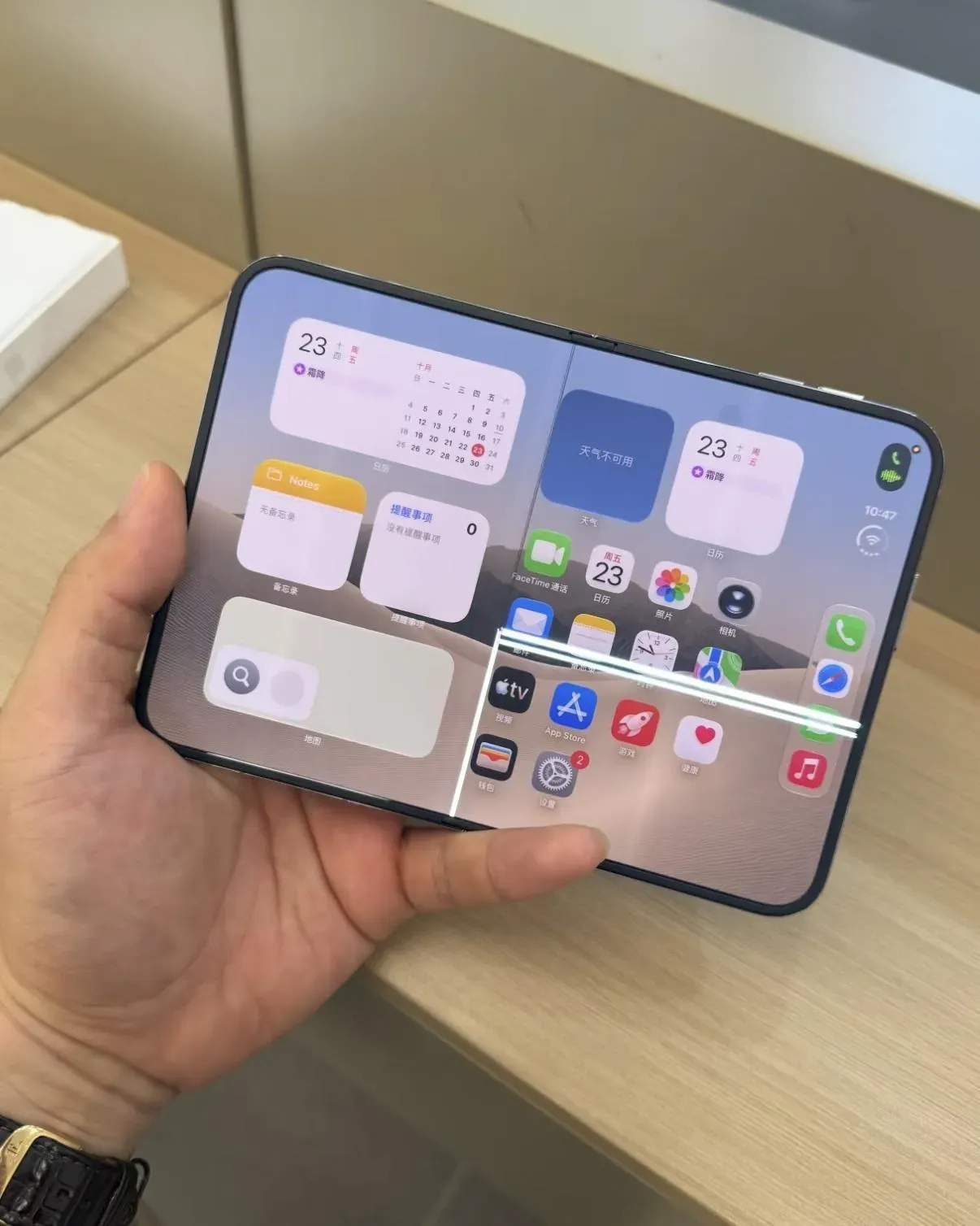
A YouTuber dissected the iPhone Duo and thinks he found crackgate's cause
CuriousHagi's teardown of Apple's foldable reveals a gear-like hinge that may explain why screens crack in the same spot within hours.

Google quietly links your phone number to every Android account on your SIM
Adding a SIM now ties your phone number to all Google accounts - and future accounts inherit it. Here's the security and privacy stakes.