

Museums and archives chase greener preservation as fragile materials keep deteriorating
Why “protecting culture” is getting a sustainability upgrade, and what decision-makers must measure when it comes to risk and cost.
By Abdullah Al-Otaibi·· 3 min

Curating from trusted global sources…
Curated from trusted global sources, refined into briefing-grade analysis with executive summaries, insights, and bullet-point takeaways.
Why “protecting culture” is getting a sustainability upgrade, and what decision-makers must measure when it comes to risk and cost.
Colorado State University’s work uses wound odors to improve protection for livestock and wildlife from a deadly parasite.

What sounds like a simple sorting issue becomes a material-design and compliance problem for beverage brands and retailers.

A DSN station is in the middle of a wildfire, threatening one of NASA’s core links to spacecraft beyond Earth’s orbit.

A Byzantine-era double infant grave near the Temple of Artemis suggests both genetic anomaly and baptism-era burial decisions.

A smartphone-controlled 3.6-lb smart telescope ships the hard part to software, plus an EQ mode upgrade path.
A new study proposes enzyme-driven reversals of buildup tied to aging disorders, reshaping what “disease reversal” could mean.
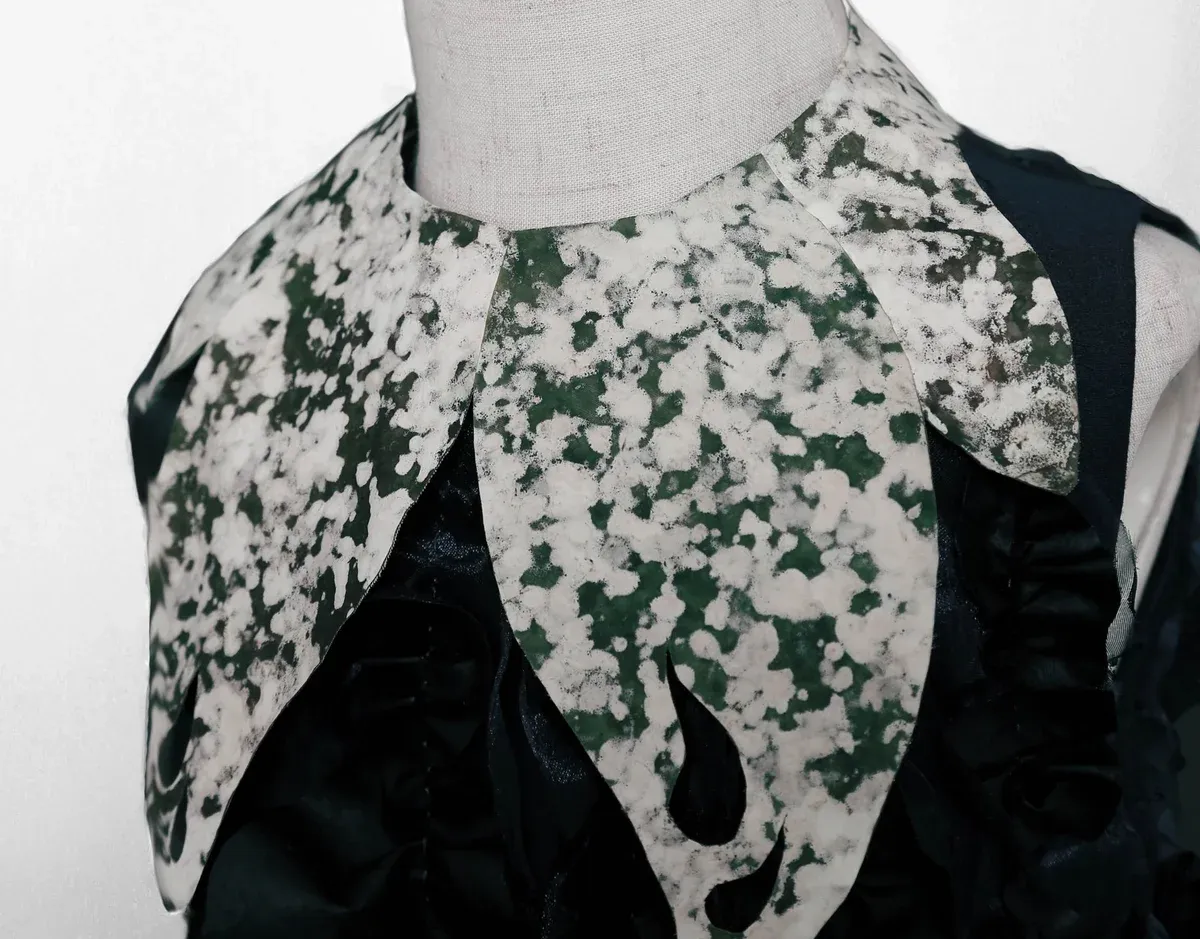
A new living-material approach could reshape how brands think about color, protection, and biodegradability in apparel.
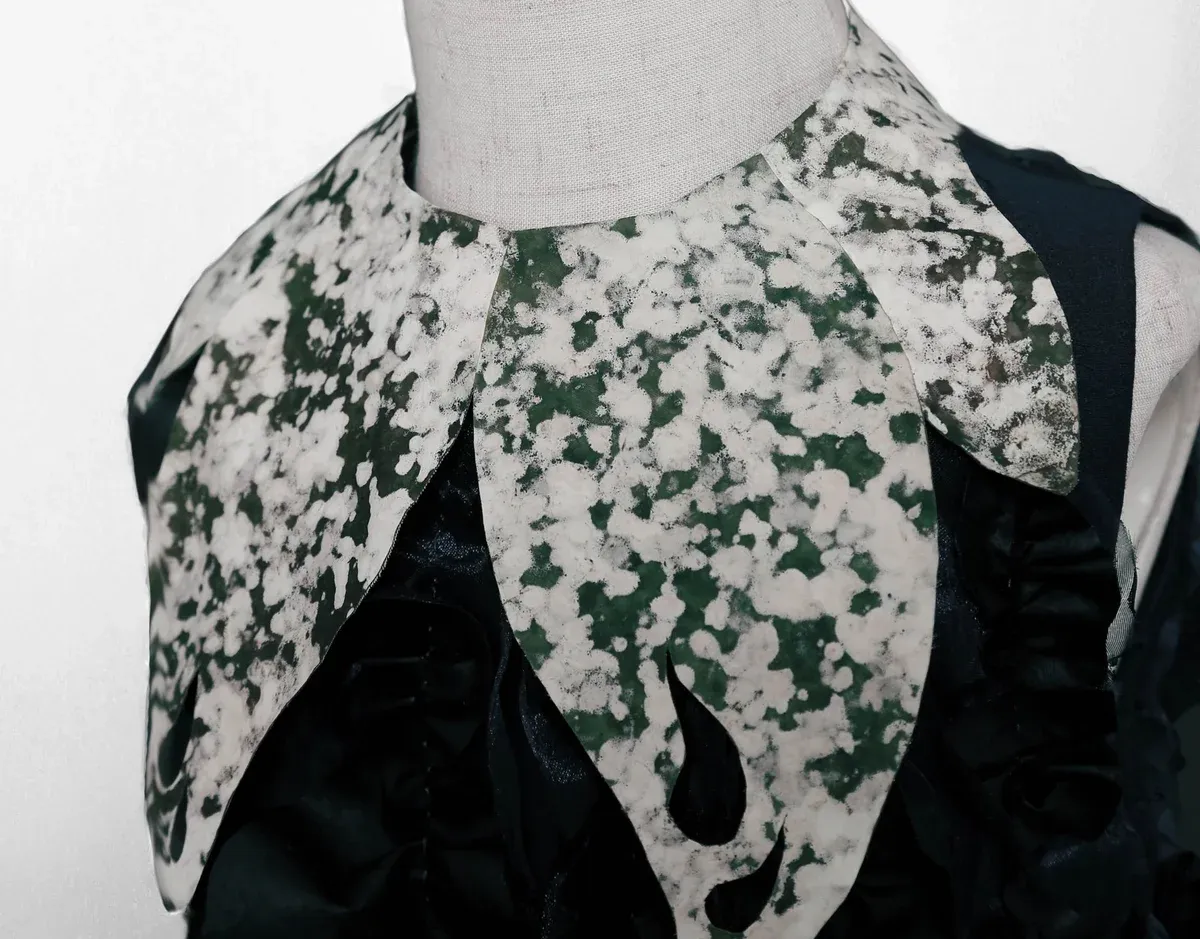
A biodegradable fabric can host living, programmable microbes, turning fashion supply chains into something more like biotech.

Federal regulators are considering requirements for obvious mechanical releases, but any new standard could take years.

A Chinese Academy of Sciences team built a programmable fabric that repairs itself and can be tuned for cleaning, color, and UV protection.

NASA’s Mars-bound ESCAPADE uses Earth and the Moon to verify its cameras, then turns to Martian aurora and heat signatures.