
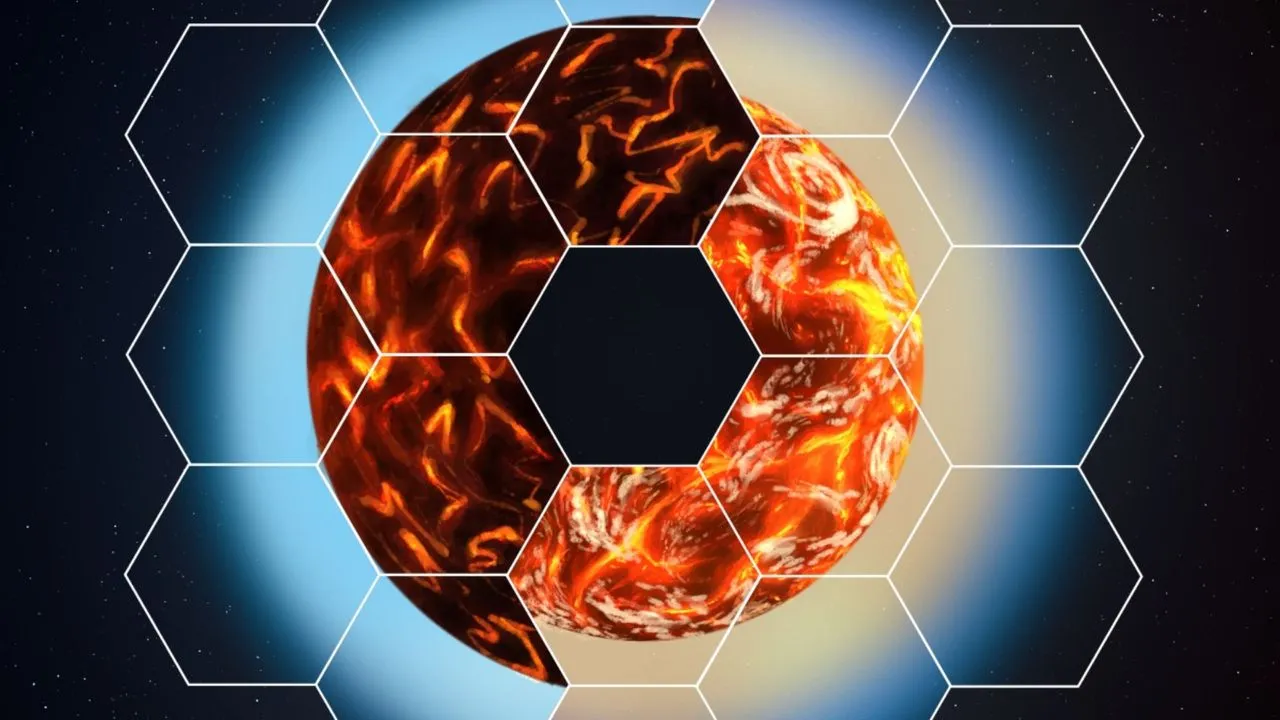
Mineral clouds can heat sub-Neptunes’ interiors by up to 2,600°C and melt magma oceans
Computer simulations show vaporized-rock clouds trap core heat, skew atmospheres, and make habitability tougher than JWST hoped.
By Sara Al-Ghamdi·· 4 min

Curating from trusted global sources…
Curated from trusted global sources, refined into briefing-grade analysis with executive summaries, insights, and bullet-point takeaways.
Computer simulations show vaporized-rock clouds trap core heat, skew atmospheres, and make habitability tougher than JWST hoped.

A Science Tokyo team reports a surface electrene that survives a week in air and catalyzes ammonia under milder conditions.

A new MCU entry is in early development, with Sabir Pirzada having already drafted the script and the Nova Corps backstory lining up.

INRAP excavations in France’s Loire Valley point to a hub where metals, weapons, and restraints intersected.
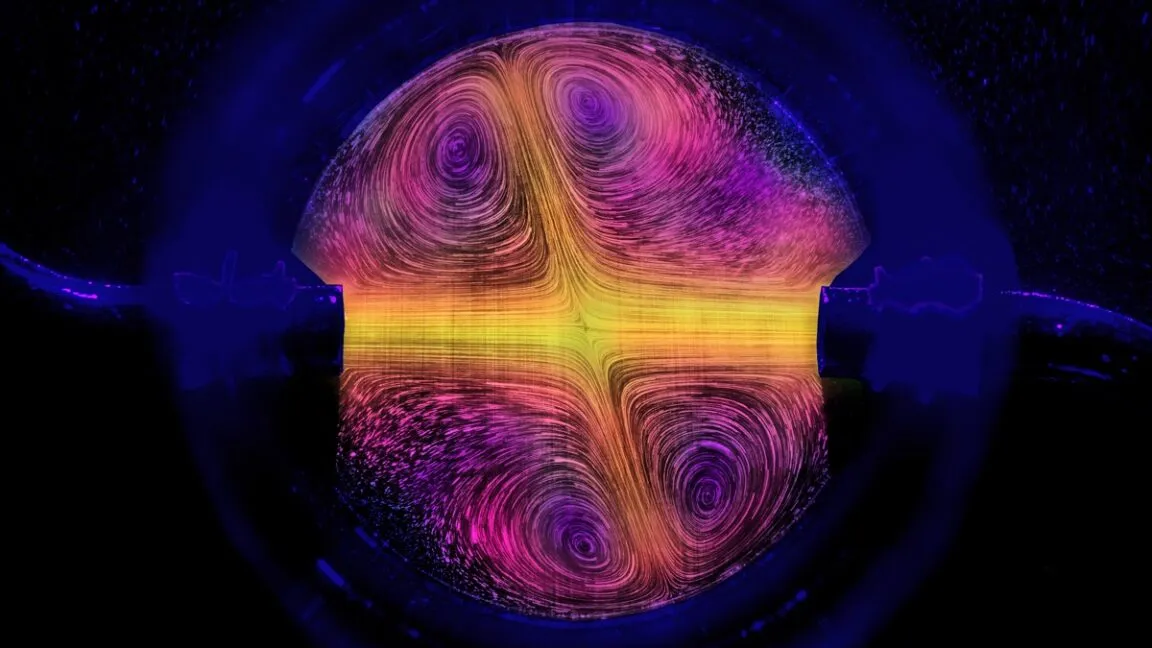
A 2024 momentum flux theory, tested at NYU Courant, also cracks the physics behind “silly sprinklers”
If the most abundant planet types carry water, it may be lurking where current telescopes cannot see it.

Prehistory art lied about height and muscle. Here is what the evidence suggests and why it matters for how we interpret progress.

A cosmic cloud nearly 27 light years from Earth contains a sugar previously spotted on Earth in raspberries, reshaping origin-of-life thinking.

Heat stress can be deadly, but New Scientist reports sauna’s preventative potential across brain and mood disorders.
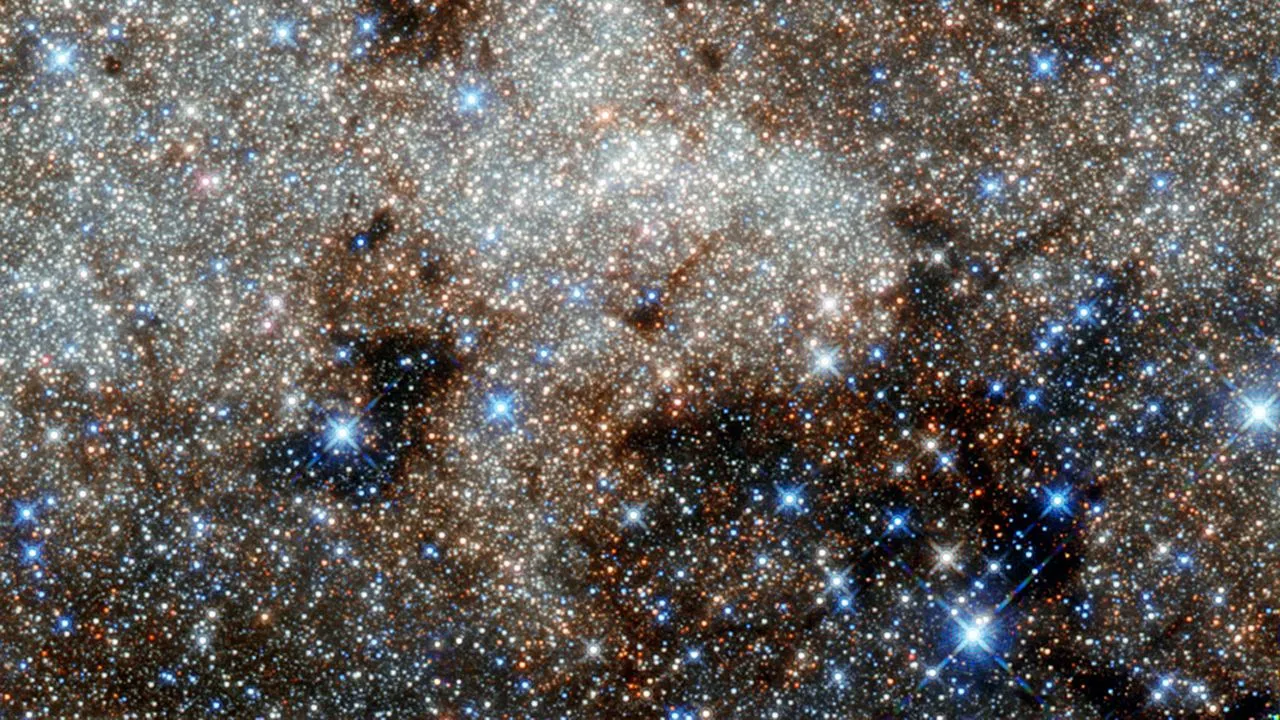
A raspberry sugar, detected with Spanish and French telescopes, strengthens the case that life’s ingredients are widespread in space.

A 2025-era recovery story turns into a release plan: August 28 via Loma Vista, plus a major North American tour.

A simple trait in writing and tool use opens a bigger mystery: why 1 in 10 people are lefty.