Matt Damon’s “being rescued” movies outscore “saving others” by 79% vs 59%
Rotten Tomatoes crunched his filmography. The surprising pattern is less hero-worship and more incentive design.
By Reem Al-Dosari·· 4 min

Loading briefings
Pulling the latest in this topic…
Research, space, health, climate, discovery
438 briefings briefings in Science
Rotten Tomatoes crunched his filmography. The surprising pattern is less hero-worship and more incentive design.
Why today’s best prediction models can widen disparities, and what decision-makers can demand before scaling.
A new study links mild sleep deprivation to weight gain, adding another lever to manage downstream cardiometabolic risk.
A new study finds the post-2005 melting slowdown was temporary, not sustained, reshuffling what “trend” means for risk planning.
The same plumbing that flagged viruses is now being used as a food behavior signal, with public health and planning implications.
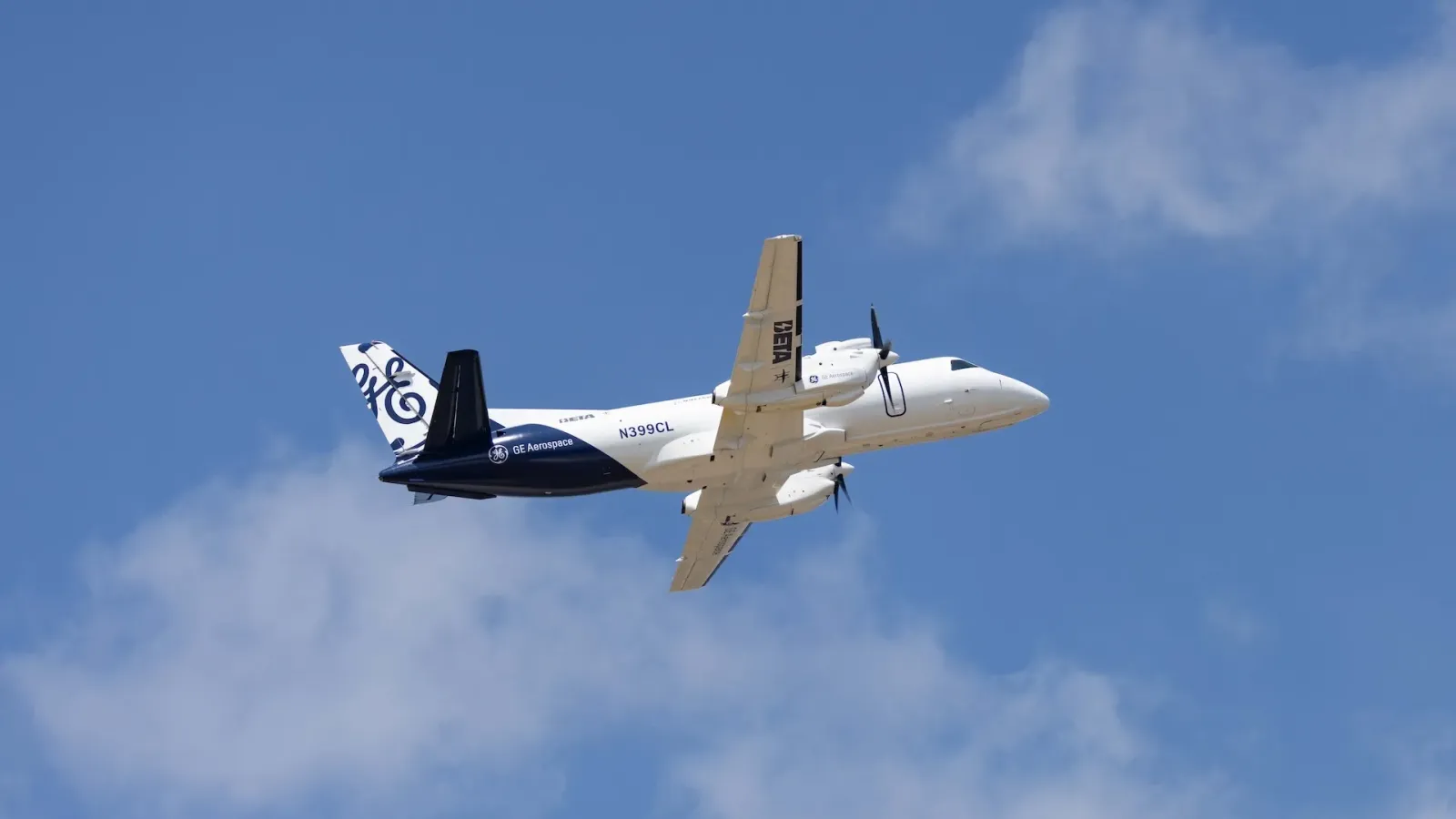
The public Farnborough demo turns 15+ years of hybrid-electric propulsion research into flight data for fuel-saving aircraft power.
Six suborbital aircraft missions will map wildfires, pollution, glacier retreat, and landslide risk using airborne sensors.
The first successful genome edit in biting midges could reshape how companies and labs study disease transmission.
A new formation model explains why the early-universe dots glow red, fade on a timetable, and hide nearby UV light.
If crowd surges evolve through synchronized pushing, event planning can shift from reaction to prevention.
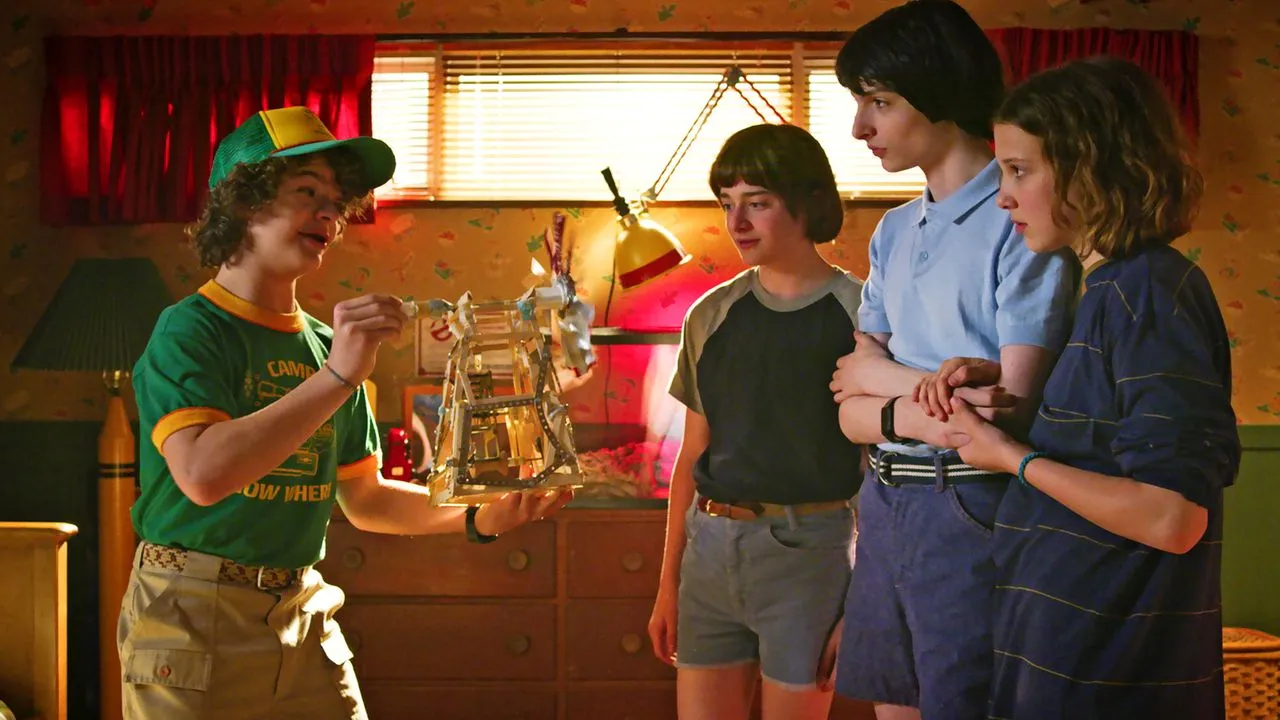
Educators, the Institute of Physics, and the U.S. Department of Energy all leaned on the Upside Down to spark STEM curiosity.
Intermittent high-dose CO2 exposure appears to flush Alzheimer’s-linked proteins out of the brain via improved waste clearance.