Nature Human Behaviour study: British smallpox scabs likely caused 1789 outbreak
Modeling points to vials of dried smallpox scabs carried by the First Fleet, not north-coast contact with Makassar fishers.
By Omar Al-Balawi·· 4 min

Loading briefings
Pulling the latest in this topic…
Research, space, health, climate, discovery
462 briefings briefings in Science
Modeling points to vials of dried smallpox scabs carried by the First Fleet, not north-coast contact with Makassar fishers.
An expanding low-cloud pattern has reflected sunlight back to space, but researchers expect the trend to reverse.
Three bashing goats developed brain changes consistent with neurodegeneration seen after head injuries in people.
A new technology push turns the search for habitable exoplanets into measurable hardware performance, with downstream mission implications.
A 2025 survey shows burnout is mainstream now, but 18th-century farm records show the same exhaustion always existed.
Researchers say Zophobas morio strip soft tissue quickly without damaging delicate bones, and without the dermestid egg scare.
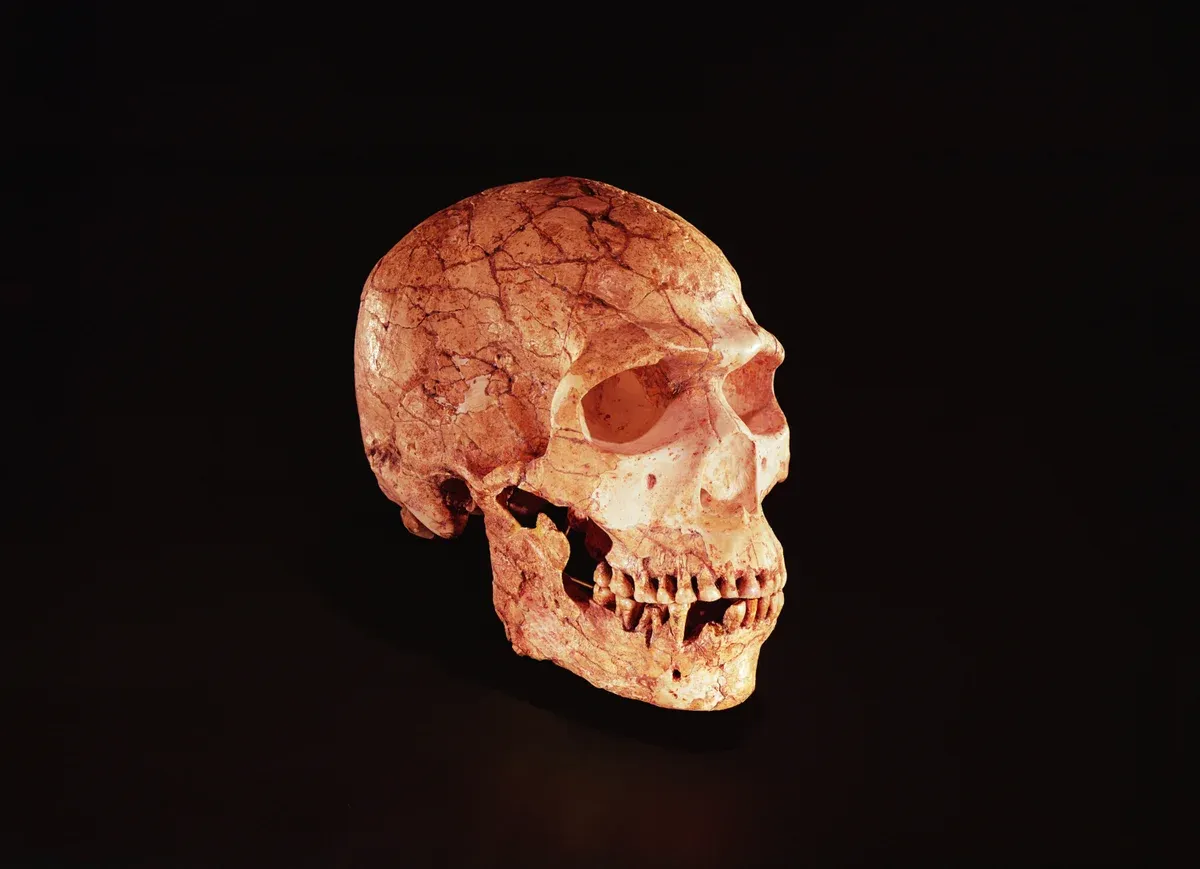
A new skull-based brain analysis suggests Neanderthals and modern humans overlapped in intelligence, reshaping how we judge cognition.
A life-size “false head” on a Peruvian funerary bundle reveals how Chancay ancestors were staged, painted, and honored.
A 2025 University of Leeds study highlights why older women keep dancing, and what it could mean for burnout.
University of Michigan research uses an AI tool to show rapid evolutionary “bursts” repeatedly track Earth’s climate change.
A new EMBL Hamburg workflow shows how influenza A reorganizes host cells by tracking protein-to-protein interactions directly inside infection.
A new 3D-printed design targets faster iteration in energy storage, with implications for renewable power reliability.