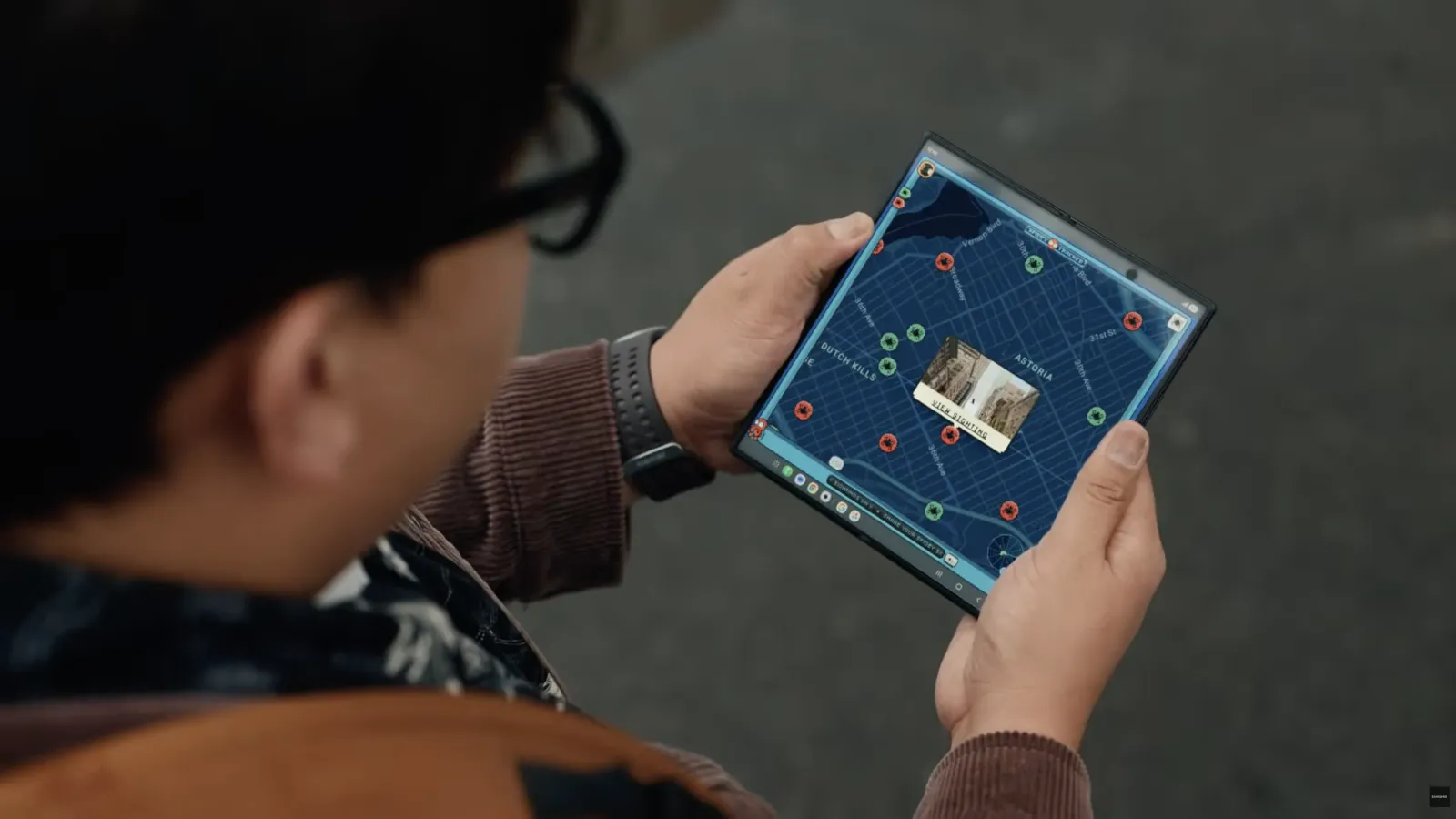
Samsung teases Galaxy Z Fold 8 “brand new shape” in Spider-Man trailer
The Galaxy Z Fold 8 redesign appears wider and “passport-like,” with Samsung’s July 22 Unpacked deadline looming.
By Yousef Al-Zahrani·· 3 min

Loading briefings
Pulling the latest in this topic…
AI, robotics, computing, technical advancement
966 briefings briefings in Technology
The Galaxy Z Fold 8 redesign appears wider and “passport-like,” with Samsung’s July 22 Unpacked deadline looming.
Agent traffic is already breaking old assumptions at Meta. The fix is agent-aware capacity, governance, and reasoning-ready data.
New Delhi is funding two linked supply-chain bets. For execs, that means new procurement shifts and new competitors.
A limited Dell-Intel compatibility issue pauses the Windows security update, just as exploitation risk is rising.
Indian AI coding startup Emergent says it now runs $120M annualized revenue and serves 200,000+ paying customers.
A Wisconsin hot dog plant is getting a new mission, and it signals how fusion teams may scale faster.
The goal: diagnose depression, PTSD, and Parkinson’s with an easy, blood-test like workflow.
SpaceX’s FCC filings show 207,152 avoidance maneuvers in six months, raising safety questions as Starlink multiplies.
A NASA flight surgeon describes nine years of rejection, then the improbable turn that changes how we think about pathways.
Next week’s change lets rivals distribute apps outside Google Play, reshaping platform incentives and governance decisions.
The new foldable display aims for slimmer, tougher durability, and it debuts with Z Fold 8 and Z Fold 8 Ultra.
Citizen developers in Venezuela turned AI into websites and apps for searches and coordination when government response stalled.