
148 Sickened on Florida-Bound Princess Cruise as CDC Tracks Unknown Outbreak
The CDC says nearly 150 people aboard a Princess ship bound for Florida have been hit by a gastrointestinal illness it has not yet identified, putting cruise sanitation protocols and peak-season travel under scrutiny.
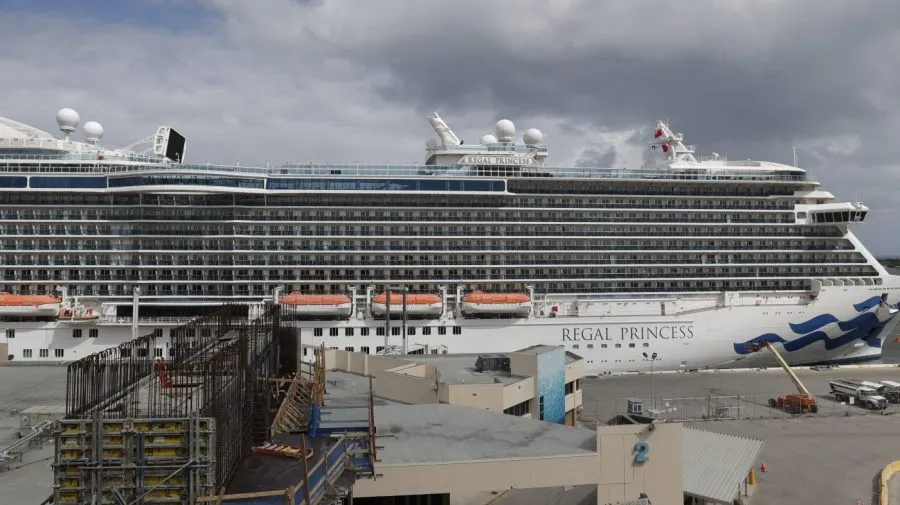
The CDC reports 148 people aboard a Florida-bound Princess Cruises ship have been sickened by an unknown gastrointestinal illness. For cruise operators and travel investors, the unanswered cause keeps sanitation, refund, and reputational risk in play during a critical booking window.
The number is 148. The CDC says 148 people aboard a Princess Cruises ship bound for Florida have been sickened by a gastrointestinal illness that, as of the agency's report, has no confirmed cause. The original alert labels it "unknown," which is the part that matters most. Nearly 150 people is not a single bad buffet. It is a cluster large enough to trigger federal surveillance, and it lands on a brand that sells relaxation, not uncertainty. For anyone who books, operates, or invests in travel, the first question is simple: what is making people sick? The CDC has not said. The second question is harder: what does an unidentified outbreak do to a cruise line's most valuable asset, which is trust.
The CDC's involvement is not routine paperwork. The agency's Vessel Sanitation Program tracks gastrointestinal illness on cruise ships and typically requires operators to report cases when they cross a set share of passengers or crew. That threshold exists because ships are floating cities: shared dining, shared restrooms, shared handrails, and a captive population that cannot easily leave. When the cause is unknown, public health investigators typically work to identify the pathogen through lab testing and epidemiological interviews, while the ship's crew cleans and monitors new cases. The CDC has not named the pathogen, the ship, or the source. That silence is standard early in an investigation, but it also means the story is still open.
For context, gastrointestinal outbreaks on cruise ships are not new. Historically, norovirus is the most common culprit, and it is famously hardy: it can survive on surfaces, spread through food and water, and require very few viral particles to infect a person. But the CDC has not said this outbreak is norovirus. It has said the cause is unknown. That distinction matters. If the cause is a common virus, the playbook is familiar: isolate, clean, report, recover. If the cause is something else, such as a bacterial contamination or a foodborne source, the operational and legal response could look different. The agency's "unknown" label is a signal that the investigation is active, not that the risk is over.
Princess Cruises is one of the best-known names in North American cruising, and it operates in a segment where repeat customers and premium pricing depend on a spotless safety record. A single outbreak headline does not sink a cruise line. But it can dent booking momentum, especially when it arrives during a period when travelers are already weighing health risks against vacation budgets. Cruise operators have spent years rebuilding confidence after the pandemic, and they have invested heavily in sanitation, air filtration, and medical facilities. An unknown outbreak tests whether those investments translate into consumer confidence when the cause is not yet known.
The financial exposure is not just medical. It is reputational, operational, and legal. If passengers fall ill, the ship may need to alter itineraries, deep-clean public areas, or offer compensation. Historically, cruise lines have offered refunds or future cruise credits in outbreak situations, though the specific response here is not yet public. The bigger cost can be the booking curve: travel is an emotional purchase, and stories about sick passengers travel faster than CDC updates. For a cruise line, the worst outcome is not a short outbreak; it is a long news cycle that makes future customers hesitate.
Regulators will be watching the reporting process as much as the pathogen. The CDC's Vessel Sanitation Program publishes inspection scores and outbreak data, and that transparency is designed to pressure operators to act quickly. A slow or incomplete report can become a bigger story than the illness itself. For boards and executives in hospitality, travel, and food service, the lesson is that "unknown" is a temporary label, not a strategy. The companies that handle these moments best are the ones that communicate early, over-clean, and give customers a clear reason to believe the next cruise will be safe.
The strategic stakes extend beyond Princess. Every cruise operator, airline, hotel chain, and restaurant group faces the same math: one contaminated surface or food source can become a federal report, a social media storm, and a drop in bookings. The CDC has not said how this outbreak started, how long it will last, or whether it has peaked. That uncertainty is exactly why the story matters. In travel, confidence is the product. When 148 people get sick and the cause is unknown, the market is not just watching a health investigation. It is watching whether a major brand can keep trust afloat.
This story's Key Insights and Take-aways are locked.
Create a free account to unlock Executive Actions for one credit.
Register to UnlockAlways free for Executives Club members. Join the Club
More in Politics

Fifth Circuit Kills Pregnant Workers' Law Over Pandemic Proxy Votes
A procedural ruling, not a policy one, has blocked a federal pregnancy-accommodation law and put every pandemic-era statute in the crosshairs ahead of an expected Supreme Court appeal.

Measles kills a Virginia child under 5, the state's first death of 2026
Virginia's health department confirmed the death but withheld the child's vaccination status, leaving schools, clinics and employers to plan around the one detail that would explain the most.

Former Brazilian President Bolsonaro Hospitalized with Intestinal Obstruction
The health status of the former far-right leader raises immediate questions about political stability and the trajectory of Brazil's conservative movement.