
50 developers built the Elder Scrolls RPG Bethesda still hasn't shipped
Tainted Grail: The Fall of Avalon has 20,000+ Steam reviews at Very Positive, a free demo, and a team one-eighth the size of Starfield's.

Questline, a studio of 50 people, shipped Tainted Grail: The Fall of Avalon in 2025, a first-person fantasy RPG that PC Gamer's Fraser Brown says delivers everything he wants from an Elder Scrolls game while Bethesda's The Elder Scrolls 6: Sentinel remains unreleased. Its 20,000-plus Steam user reviews at a Very Positive rating are a live signal that scope discipline, not headcount, is now a viable route to a hit RPG.
The number is 50. That is the entire team behind Tainted Grail: The Fall of Avalon, the 2025 first-person fantasy RPG from developer Questline that PC Gamer online editor Fraser Brown, writing in the magazine's Dungeon Master column, says does everything he wants from an Elder Scrolls game. For scale: Skyrim had around 100 people working on it, and with Starfield that jumped to more than 400. Bethesda's The Elder Scrolls 6: Sentinel still has no release, and Brown notes he will "probably be in the ground" when it finally arrives, which he calls "kind of liberating." He has hype immunity. What he does not have is a shortage of things to play.
The market has already voted. Tainted Grail has pulled in more than 20,000 user reviews on Steam, where its rating sits at Very Positive. There is a demo. For anyone who tracks demand signals, that combination matters more than a trailer: a demo is a conversion funnel, and 20,000-plus reviews is a sample large enough to read as genuine player sentiment rather than launch-week noise. Brown's conclusion is blunt: "No excuses. Go play it."
What Questline built is unabashedly Elder Scrolls-shaped. It is primarily first-person, and flexibility is the superpower: you chart your own course and effectively construct your class, enhancing skills by using them as much as possible. It opens, in classic form, with the player banged up in a facility that incarcerates and studies unfortunates afflicted with a magical plague, of which you are one. Follow the critical path and you meet a new friend, get in some tough fights, and escape. Brown ignored the critical path, had a big old wander, and by the time he escaped the island and began his adventure proper, he already knew the RPG was special. That island asylum is big, full of locked doors, hidden rooms, large spaces ripe for brawls, a subterranean area, and oodles of lore.
The danger is real, and deadly. Villains hit hard, and early on you feel horrifyingly vulnerable; basic bandits and skeletons can easily spell your doom, and if you stay out at night, you are screwed. Avalon is a miserable, cruel place, cursed and plagued, and you will struggle. But Questline did not simply up the lethality and call it a day. Unlike The Elder Scrolls, Tainted Grail actually has a quality combat system that falls firmly into the skill-based category. Brown's framing: "It's no Dark Souls, but it's more Dark Souls than Skyrim." That challenge feels earned because of the tools available and the range of combat styles you can develop, further enhanced by DLC additions that let you, for example, go through this Arthurian fantasy RPG as a kung-fu master. Brown has been spellblading it up, with alchemical skills shoring up his weaknesses. You do need to commit eventually. This is not a game for a jack of all trades.
World design deserves its flowers too. Bethesda is more deft at crafting believable, reactive lands, Brown writes, but Tainted Grail's world is smaller, divided into three main areas, and while you can muck around for hundreds of hours, you can experience most of what it offers in 50. What you get in those 50 hours is so much more meticulously designed, with Questline getting so much out of each location. It is a looker: what it lacks in fidelity it more than makes up for in art design, and Dark Souls rears its gorgeously hideous head again. It is a game full of aesthetic juxtapositions, the arboreal and the horrific, the grounded and alien. Avalon is delightfully strange, and that makes exploration all the more thrilling.
The strategic read for anyone allocating capital in games: Tainted Grail is a complex, elaborate game that will happily devour your days and keep showing you new things, and it was made without a gargantuan studio and big publisher money. It is based on a tabletop RPG, which hands it a pre-built lore engine and an audience that already speaks the language. As games grow ever larger and more bloated, Brown's appreciation for richer, better-scoped worlds only grows, and he is explicit that this does not indicate a dearth of ambition on Questline's part. The 50-hour curated sandbox is a product decision, not a compromise.
The second-order effects are the interesting part. A 50-person team shipping a Very Positive RPG in a genre dominated by 100-to-400-person productions resets the benchmark for what a mid-size studio can credibly attempt, and it puts pressure on the assumption that scale equals quality. It also reframes the wait for Sentinel. Brown's hype immunity is a luxury most publishers cannot afford, but it is also a warning: when the audience finds a substitute that scratches the same itch, the eventual blockbuster has to be better than good. It has to be better than the thing people already bought, reviewed, and recommended to their friends.
For operators, the lesson is scope. Tainted Grail does not win by out-spending Bethesda. It wins by being denser, deadlier, and finished. If you are craving a side-quest-heavy sandbox RPG with plenty of sword fights and spellflinging, Brown's advice is simple, and the demo removes the last excuse.
This story's Key Insights and Take-aways are locked.
Create a free account to unlock Executive Actions for one credit.
Register to UnlockAlways free for Executives Club members. Join the Club
More in Science
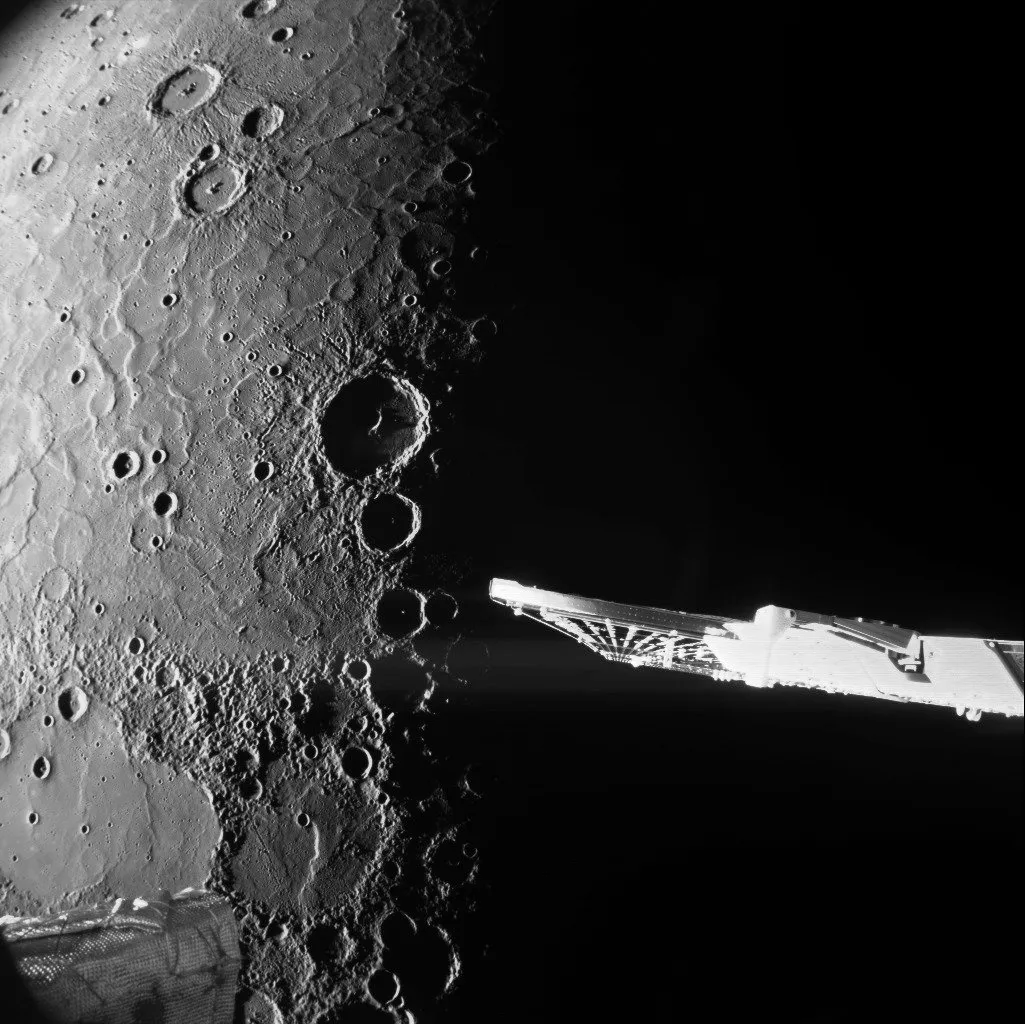
Europe and Japan park $2B twin probes at Mercury after eight years
BepiColombo's arrival ends an eight-year, $2 billion cruise and hands Europe and Japan a multi-year data edge on the solar system's least-studied planet.
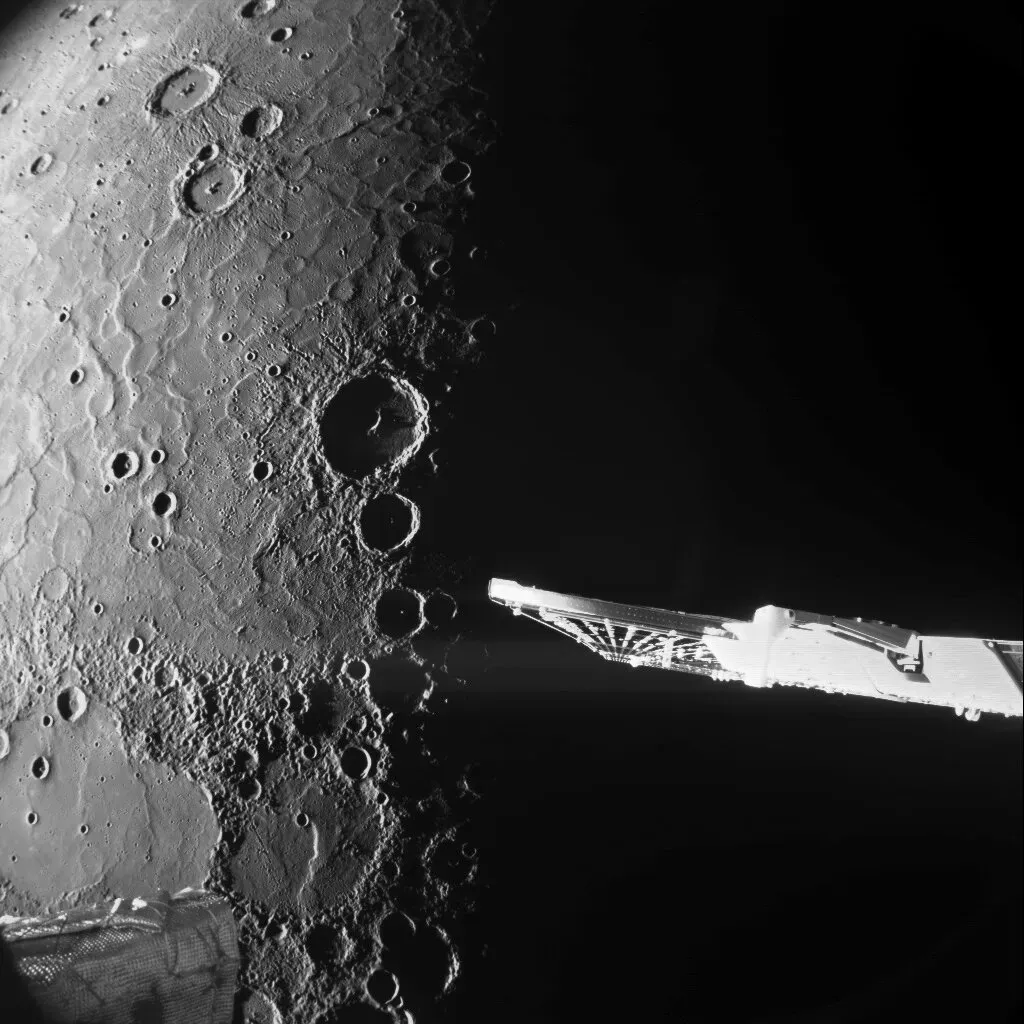
BepiColombo becomes only the second spacecraft ever to orbit Mercury
The international mission reaches the planet closest to the sun, giving scientists a rare second set of eyes and giving operators a case study in long-horizon R&D.
COP31 stalls as countries weigh forcing a Saudi showdown on fossil fuels
Two weeks of UN climate talks in Turkey have overrun without a deal, and the decision now facing governments will shape energy costs, transition timelines and capital allocation for years.