
A Billionaire Early Backer of OpenAI Sold His Stake to Fund Succession
Gregory Jensen's early Anthropic and OpenAI bets made him a fortune, but the OpenAI position he exited to bankroll his firm's succession plan is the one the Times says could have been worth more.
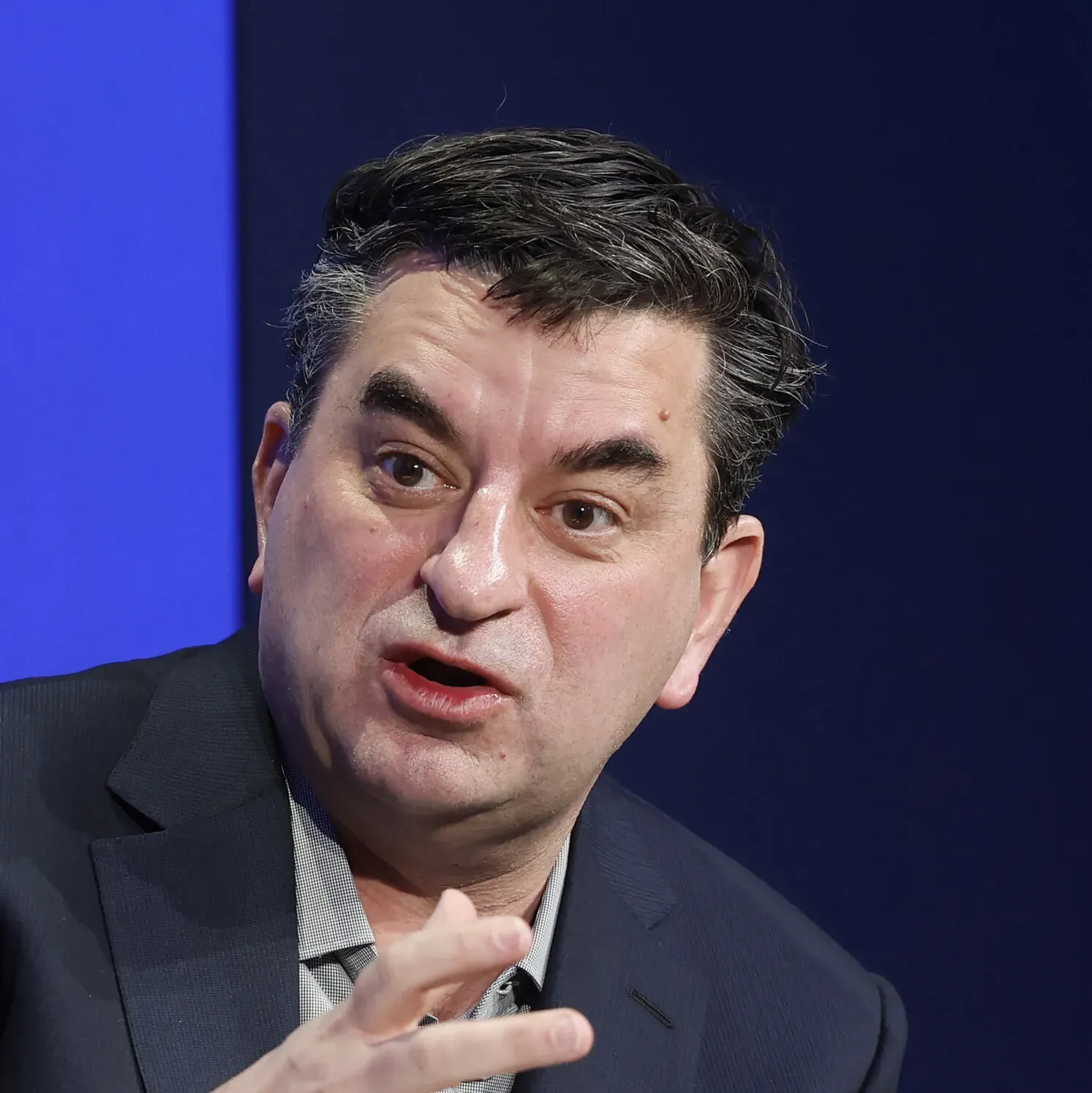
Gregory Jensen, a hedge-fund billionaire who invested early in both Anthropic and OpenAI, told colleagues he sold his OpenAI stake to fund a succession plan at his firm. For founders, fund managers, and boards, the move is a case study in how governance and liquidity needs can force the sale of the asset with the most upside.
Gregory Jensen, a hedge-fund billionaire, got in early on two of the most consequential private companies of the decade: Anthropic and OpenAI. Then he told colleagues he had sold his OpenAI stake. The reason was not a loss of faith in artificial intelligence. It was a succession plan at his firm.
That is the trade in a single line. Jensen converted a piece of the AI boom into internal continuity, and the New York Times headline on the story says the quiet part out loud: he "just made a bundle off A.I. But it could have been more." The OpenAI position he exited is the one the framing suggests carried the most upside left on the table. The report does not disclose the size of either stake, the price at which the OpenAI shares changed hands, or what happened to the Anthropic position. Those gaps matter, because in any early-stage bet the headline number is a function of three things: entry price, exit price, and timing.
Why is an early stake in a frontier AI lab so hard to hold? Because private shares do not trade like public equities. Employees and early investors in companies like OpenAI and Anthropic typically get liquidity through structured events: tender offers, secondary sales to institutional buyers, or company-sanctioned buybacks that let insiders cash out part of their holdings without waiting for an IPO. Each of those windows opens on someone else's schedule. A fund that needs cash for its own reasons cannot simply call the market and sell. It waits, or it negotiates, or it takes the price on offer.
That is where succession planning collides with conviction. Hedge funds are frequently built around a single founder or a small group of partners, and a handoff is a capital event as much as a governance one. Buying out a founder's economics, restructuring carried interest, or locking in the next generation of leadership often requires real money at a specific moment. For a manager sitting on a stake in a private AI lab, the fastest way to fund that moment can be to sell the very asset with the most upside. Historically, early checks into frontier labs have been written at valuations that look almost quaint within a couple of years, which is exactly why the "could have been more" framing lands.
The signal for founders is uncomfortable but useful: your cap table includes people with their own liquidity calendars. A fund's succession plan, its remaining fund life, its LP base, and its key-person clauses can all eventually force a sale of your stock, regardless of how bullish the holder is on your roadmap. Founders raising from hedge funds, family offices, and crossover investors typically negotiate hard on valuation and almost never ask what happens when the partner who wrote the check retires. That is the question Jensen's situation puts on the table.
For general partners and boards, the lesson runs the other way. Succession is not an HR problem, it is a balance-sheet problem. The cleanest handoffs are planned years ahead, with capital set aside and assets chosen deliberately. The messiest ones get funded by whatever is easiest to sell, which is rarely whatever the firm most wanted to keep. A board that treats founder succession as a paperwork exercise is one market cycle away from discovering it is a financing decision.
For LPs, the diligence question shifts too. When the person who made the early AI bets hands off, the issue is not only who runs the money next, but whether the next team would have made the same calls. Track records built on one or two extraordinary private positions are hard to transfer, and harder still to repeat. That is a structural risk in any concentrated, conviction-driven portfolio, and it is now visible in one of the most watched corners of the market.
Jensen still made a bundle. The lesson is not that he was wrong to sell. It is that even the best-timed early bets can be interrupted by the unglamorous machinery of running a firm: succession, liquidity, and the timing of someone else's handoff. The investors who capture the full upside of the AI era may not be the ones with the best entry price. They may be the ones whose institutions never forced them to sell.
This story's Key Insights and Take-aways are locked.
Create a free account to unlock Executive Actions for one credit.
Register to UnlockAlways free for Executives Club members. Join the Club
More in Business

S&P 500 Enters Correction, Down 10% From Its High on AI Worries
The index's slide past the 10 percent line is a symbolic verdict on investor mood, and the AI trade that powered the rally is now the thing testing it.

Dow and S&P 500 enter correction as Nasdaq logs worst week since 2020
All 11 S&P 500 sectors fell more than 1% in the same week for the first time since April 2025, a breadth signal that matters more than any single index level.

Chip stocks lose $2.3 trillion in a week, worst run in 25 years
A $2.3 trillion weekly wipeout in semiconductors is forcing every board with an AI story to ask whether it owns a thesis or just a crowded trade.