
AARP Ohio poll shows Vivek Ramaswamy and Jon Husted trailing Democrats
A June 14-16 AARP survey finds tight Ohio races, with Democratic nominee Amy Acton leading Ramaswamy.

An AARP poll fielded by Fabrizio Ward and Impact Research from June 14 through 16 shows Vivek Ramaswamy trailing Democratic nominee Amy Acton in Ohio’s gubernatorial race. The same survey shows Sen. Jon Husted trailing his Democratic opponent in Ohio’s Senate race, leaving both Republican bids narrowly behind.
A new AARP poll is painting a narrow but important problem for Republicans in Ohio, and it centers on two familiar names: Vivek Ramaswamy and Sen. Jon Husted. According to the survey conducted from June 14 through 16 by bipartisan polling team Fabrizio Ward and Impact Research, Democratic nominee Amy Acton is leading Ramaswamy in the race for governor, while Husted is also trailing in the Ohio Senate contest.
That is the core takeaway, and it matters immediately for anyone making strategic decisions in politically exposed industries. When polls show an incumbent party (or its aligned candidates) trailing, it can change how quickly donors loosen the purse, how employers plan around policy uncertainty, and how executives calibrate risk for everything from election-year regulation to state-level tax and compliance priorities.
The other detail that makes this poll more than just election noise is who commissioned it and how the survey was designed. AARP is not a casual stakeholder, and it tends to focus attention on issues that affect older Americans, including government programs, costs, and the regulatory environment around healthcare and benefits. In this case, the poll was fielded by Fabrizio Ward and Impact Research, a bipartisan polling team, which signals an effort to produce results that multiple audiences can use rather than a partisan-only snapshot.
Ramaswamy’s tight standing behind Acton also highlights how Ohio politics can behave like a pressure system: small shifts can yield big consequences for campaign operations, messaging, and resource allocation. A narrow deficit tends to keep challengers in “need to win, but not panicking” mode. That changes behavior. Campaigns often intensify outreach in persuasion-heavy districts, increase ad testing around specific policy themes, and prioritize turnout programs designed to avoid a late swing against them. For boards and executives who rely on stable policy execution, the practical effect is that uncertainty does not just hang in the air. It shows up as timelines moving, implementation plans getting more cautious, and in some cases, lobbying efforts accelerating.
Husted’s Senate polling result adds a second layer: if state-level outcomes are under pressure, Washington-level leverage often gets stress-tested too. Senate races can determine whether a state’s policy goals get accelerated or slowed at the federal level, especially when the broader political balance is in play. Even without inventing what the ultimate margins will be, a poll that shows Husted trailing can influence the decisions made by advocacy groups and regulated industries about how much to spend, where to spend it, and which policymakers to cultivate early.
The dates of the survey also matter. Conducted June 14 through 16, the poll reflects a moment in the cycle, not a historical average. Campaigns and external events can move voter sentiment quickly, particularly in high-salience races. For decision-makers, that means you treat poll data as a live variable, not a static scoreboard. In practical terms, it suggests a governance mindset: scenario plan for multiple outcomes and keep the compliance calendar resilient to policy volatility.
There is also an information dynamic at work. When AARP publishes results showing Democratic strength in Ohio races, that can shape media coverage and donor perception. Coverage can then feed back into the race, not by changing voters instantly but by influencing what campaigns decide is “working.” That in turn can affect how quickly candidates adapt their messaging. For executives, the second-order effect is reputational and operational: if a candidate’s policy direction becomes more visible because polling highlights their momentum, stakeholder engagement might shift from general awareness to specific commitments and questions.
Finally, the strategic stakes are straightforward. AARP’s poll does not declare a winner, but it does say Democrats are leading in both contests covered by the survey: Acton over Ramaswamy in Ohio’s gubernatorial race, and a Democratic opponent over Husted in the Senate race. In a world where executive teams and boards spend a lot of time thinking about regulatory timelines, tax posture, and policy execution risk, a poll like this is a reminder that elections can reorder those priorities faster than annual planning cycles. If you operate in industries sensitive to state policy or federal oversight, you cannot treat election-year politics as background noise. You treat it like a key external driver that can change your operating environment before your internal assumptions catch up.
This story's Key Insights and Take-aways are locked.
Create a free account to unlock Executive Actions for one credit.
Register to UnlockAlways free for Executives Club members. Join the Club
More in Politics
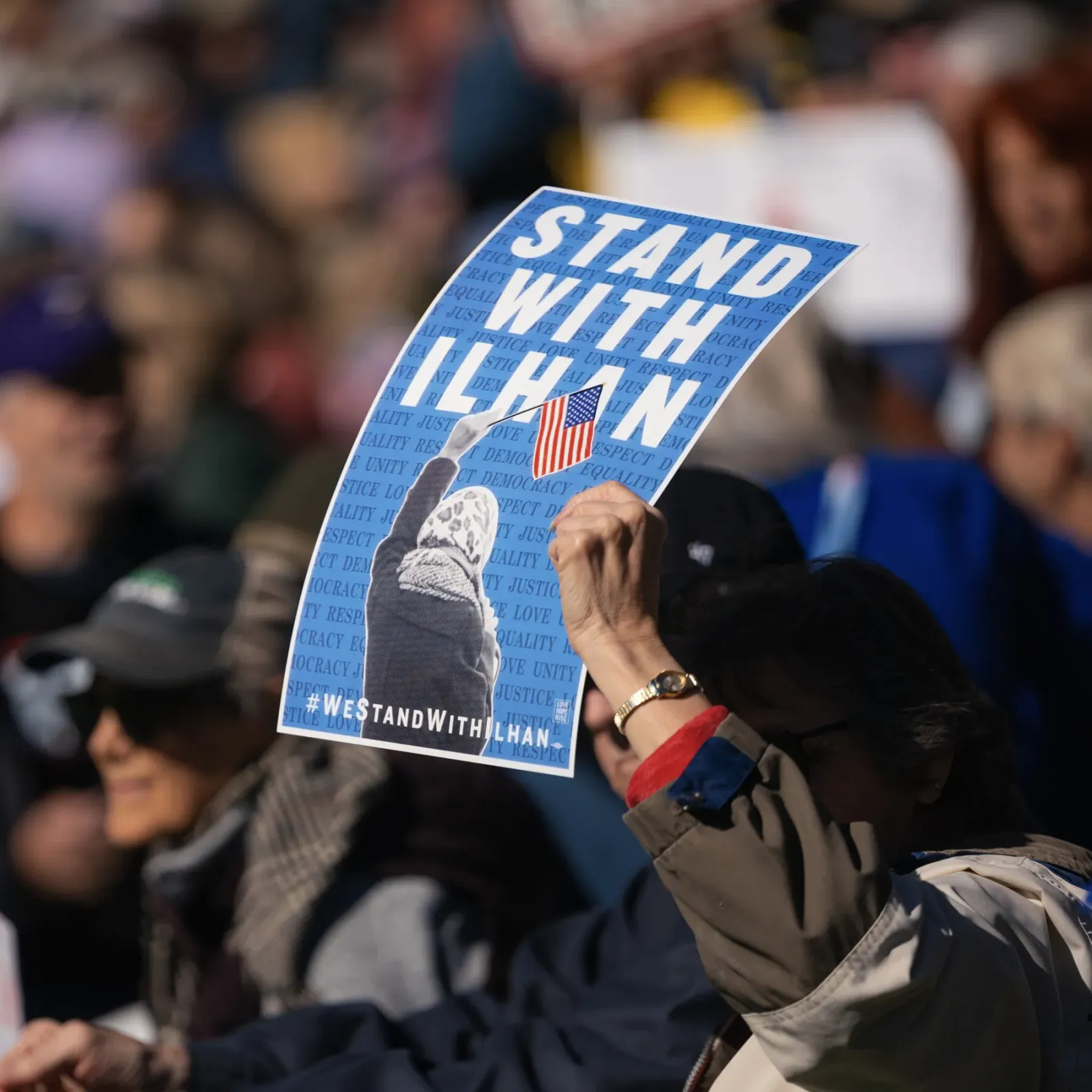
Obama Defends Ilhan Omar After Agents Search Her Home in Trump Inquiry
The former president's intervention raises the stakes in a federal probe into immigration paperwork that has put a prominent progressive lawmaker in the crosshairs.

Blair-era minister: cut welfare to fund youth job support
Alan Milburn's call for welfare cuts to fund employment support opens a Labour fight over benefits and the Neet crisis.
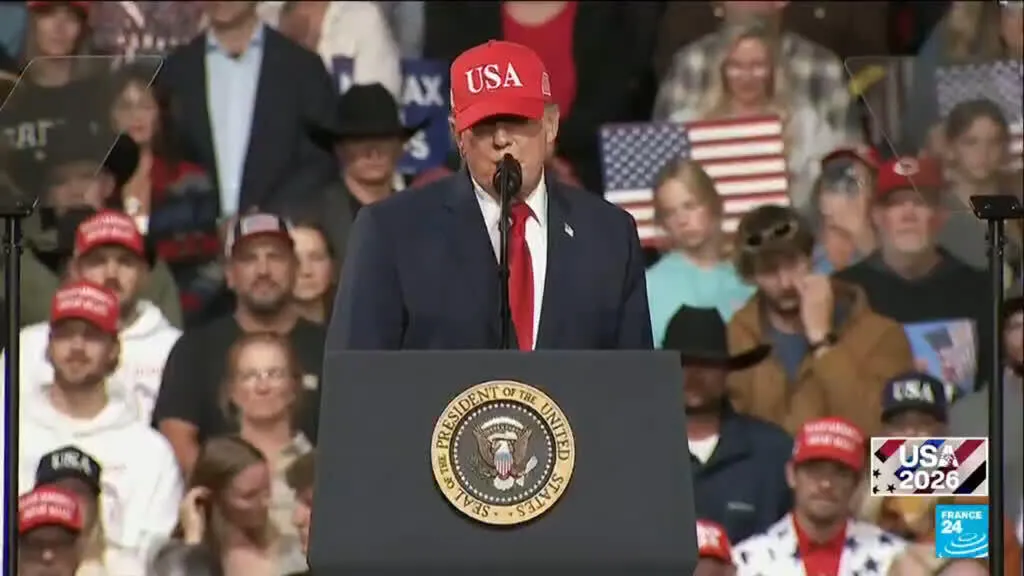
Hot September CPI: energy costs surge, voters feel the squeeze before midterms
The latest inflation print lands as Trump campaigns for GOP control of Congress, putting cost-of-living worries at the center of the midterm fight.