

Nicolle Wallace laughs at Trump’s Freedom 250 defense after “itty-bitty” crowd clips go viral
On MS NOW, Wallace dissects Trump’s Truth Social rebuttal and a weekend marked by outages, shutdowns, and canceled entertainment.
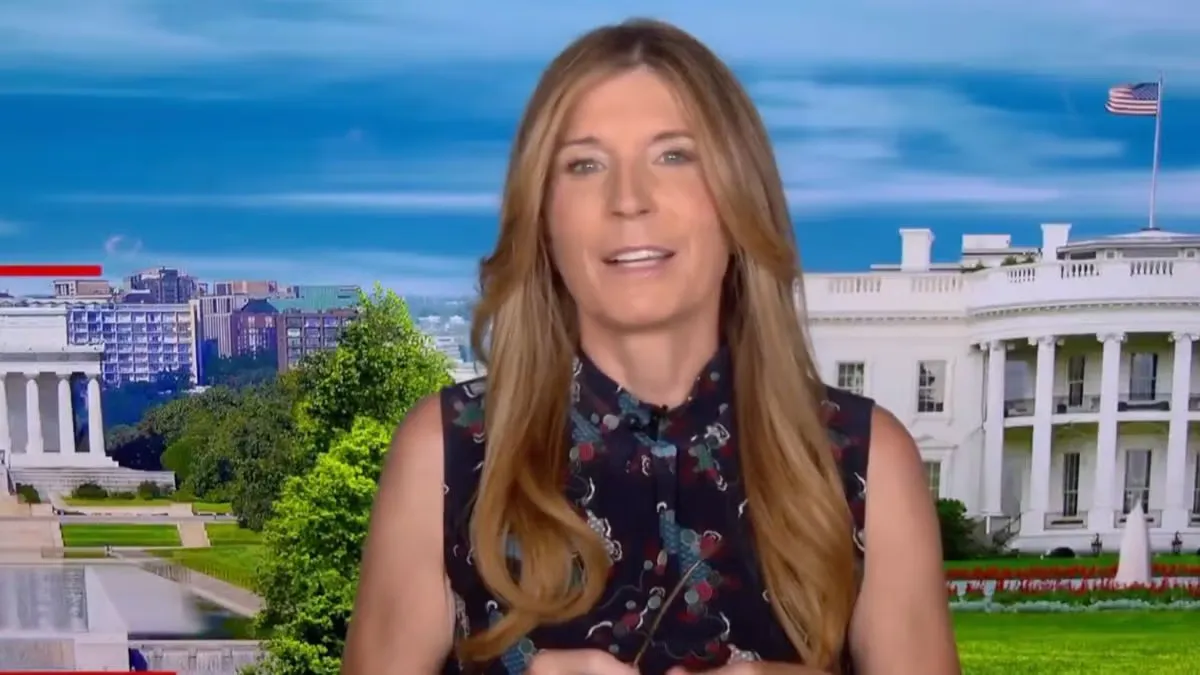
MS NOW host Nicolle Wallace mocked Donald Trump’s Truth Social defense of the Freedom 250 Great American State Fair, citing viral footage and remarks about “itty-bitty little crowds.” The segment matters because it shows how attendance optics and event failures can quickly become political ammo, even amid bigger economic and foreign-policy pressures.
Nicolle Wallace cracked up on-air while covering Donald Trump’s “Great American State Fair” meltdown, after Trump publicly tried to spin the Freedom 250 attendance problem on Truth Social. The MS NOW host leaned into the disconnect between the viral “itty-bitty little crowds” narrative and the live broadcast visuals, then read Trump’s own message aloud with the kind of disbelief that only survives on television for as long as it did on-air.
Wallace played footage and framed the core issue: Fox News had reportedly defended the seemingly low attendance rate at the Freedom 250 event. Wallace’s response was immediate and direct. “Don’t believe your eyes. Don’t believe your ears. I put on my glasses to get a closer look,” she said with a laugh, describing what she claimed the camera was showing compared with what pundits were saying. She then escalated the irony, explaining that Trump’s long-awaited Freedom 250 Great American State Fair “went off with a whimper” this weekend, and that it looked like “tens, dozens of people showing up” for the event.
From there, Wallace stacked the weekend’s problems into a single narrative of optics and operational failure. She said the fair was plagued with power outages and a shutdown ferris wheel. She added extreme weather and the cancellation of a performance by one of the only artists who stood by Trump other than Kash Patel's girlfriend, which Wallace specifically named: “Vanilla Ice.” In her framing, it was not just one glitch. It was a pattern of breakdowns that, when combined with viral posts about small crowds, became harder and harder to contain.
And then came the political response, because Trump did not ignore it. Wallace said the less-than-stellar reviews of the fair, along with the “viral posts about his itty-bitty little crowds,” got to Trump. She described the president issuing a passionate defense of the celebration on Truth Social. As Wallace read it, she quipped, “I can’t believe I’m reading this.” The tone mattered. She was not simply reacting to low turnout; she was reacting to the choice to publicly argue about the crowd size at all, in the face of footage that, in her telling, contradicted the claims being made elsewhere.
Wallace also flagged the specific rhetorical moves Trump used. She noted that Trump praised the event as “fantastic.” And she zeroed in on Trump questioning whether “Obama or sleepy Joe Biden could have done it.” Wallace pushed back with a comparison: “The answer was like, Obama did it last week at the opening of the Obama Center,” she said. Her punchline was not about policy, but about scale and timing. She added that, “in this case Trump has a point,” then argued that the motorcade and crowds element was different, and criticized the general framing of trips not even announced. Importantly, Wallace kept the segment anchored to claims made in the context of Trump’s own message and the reported event conditions, rather than inventing new facts.
Here is the business and governance takeaway hiding in plain sight. Major political events are, functionally, stakeholder events. They are where narratives meet logistics. When attendance optics wobble and operational failures stack up, the reputational cost can spread beyond the immediate audience. In corporate terms, it is the difference between a PR crisis and a trust crisis. PR can be managed with messaging. Trust gets damaged when what people see on camera does not match what leaders say, especially when the leaders choose to dispute the discrepancy publicly.
Wallace’s segment also points to the incentive structure for everyone involved, from media outlets to political actors. If viral posts about “itty-bitty little crowds” are circulating, the counter-narrative needs more than a talking point. It needs a believable story that survives basic visual scrutiny. Wallace’s entire comedic device was based on that survival problem: live shots behind the people telling one story, versus what the camera reportedly shows. For decision-makers in any high-visibility arena, that is the uncomfortable lesson. If the content can be compared side-by-side, you do not get to control it with vibes.
Finally, Wallace tied the weekend spectacle to what she described as the bigger political pressures facing Trump, including concerns about the economy and “a very unpopular war in Iran.” She suggested that the fair did little to turn around Trump’s political fortunes or dispel the belief among Americans that Trump is “obsessed [with] himself and his vanity projects” more than with the concerns of the American people or even his own coalition. Whether you agree with her framing or not, the strategic stake is clear: even if a leader insists an event was “fantastic,” the broader environment does not wait for the narrative to catch up. The segment aired in a context where other topics are dominating public attention, and where one weekend’s credibility hit can still matter.
Wallace’s full commentary is part of “Deadline: White House,” which airs weekdays at 4 p.m. ET on MS NOW. For executives, boards, and investors watching public narratives move financial and political gravity, this is a reminder that optics are a form of governance. When operations stumble and then leadership doubles down, the second-order effect is rarely contained to one day. It becomes the reference point for the next conversation, the next headline, and the next argument about priorities.
This story's Key Insights and Take-aways are locked.
Create a free account to unlock Executive Actions for one credit.
Register to UnlockAlways free for Executives Club members. Join the Club
More in Politics
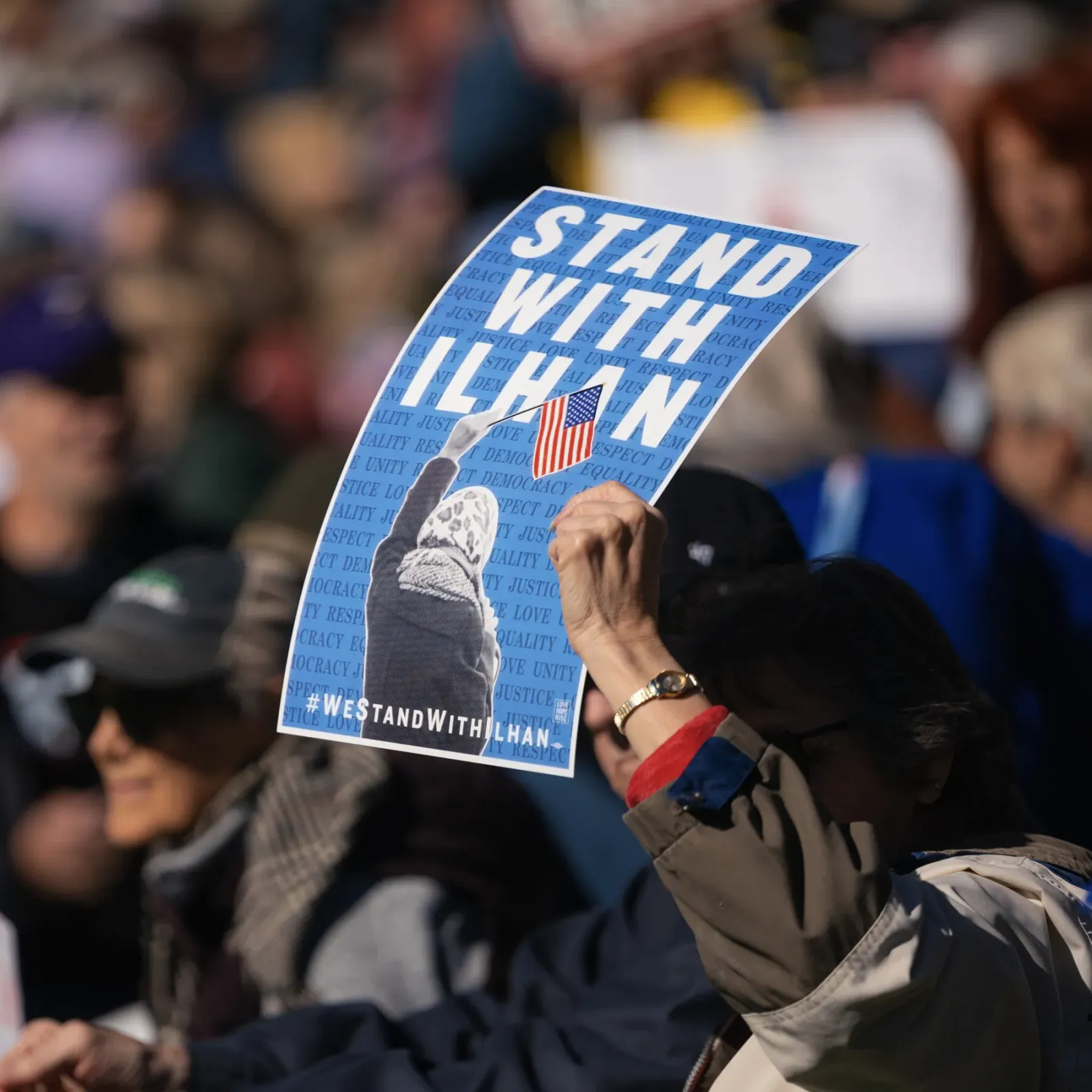
Obama Defends Ilhan Omar After Agents Search Her Home in Trump Inquiry
The former president's intervention raises the stakes in a federal probe into immigration paperwork that has put a prominent progressive lawmaker in the crosshairs.
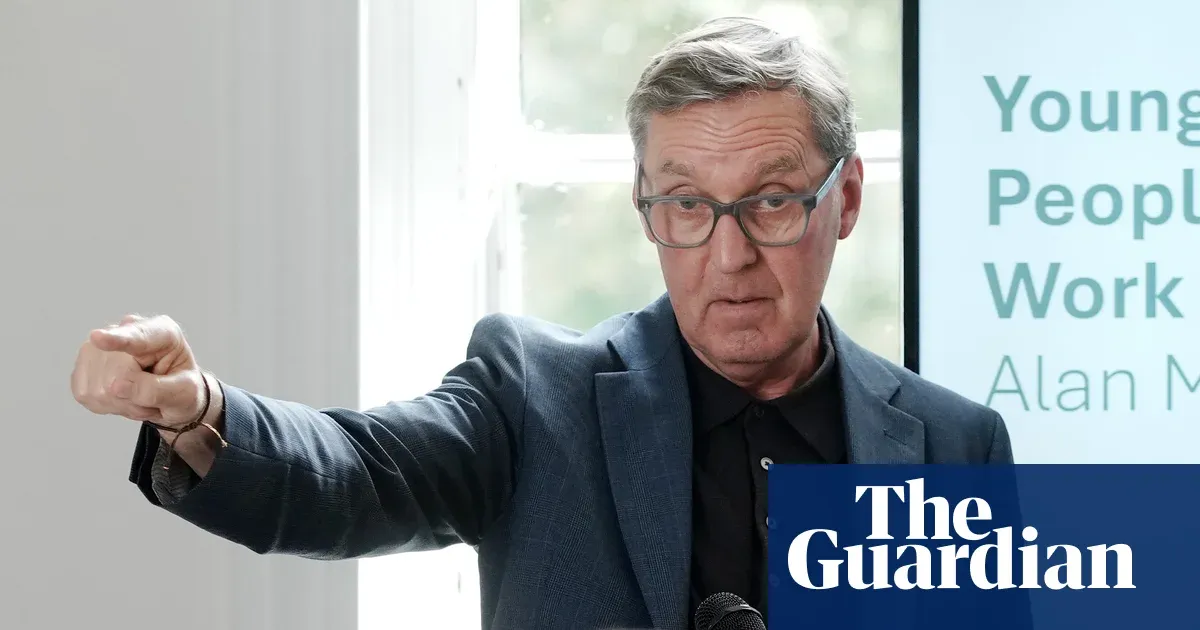
Blair-era minister: cut welfare to fund youth job support
Alan Milburn's call for welfare cuts to fund employment support opens a Labour fight over benefits and the Neet crisis.
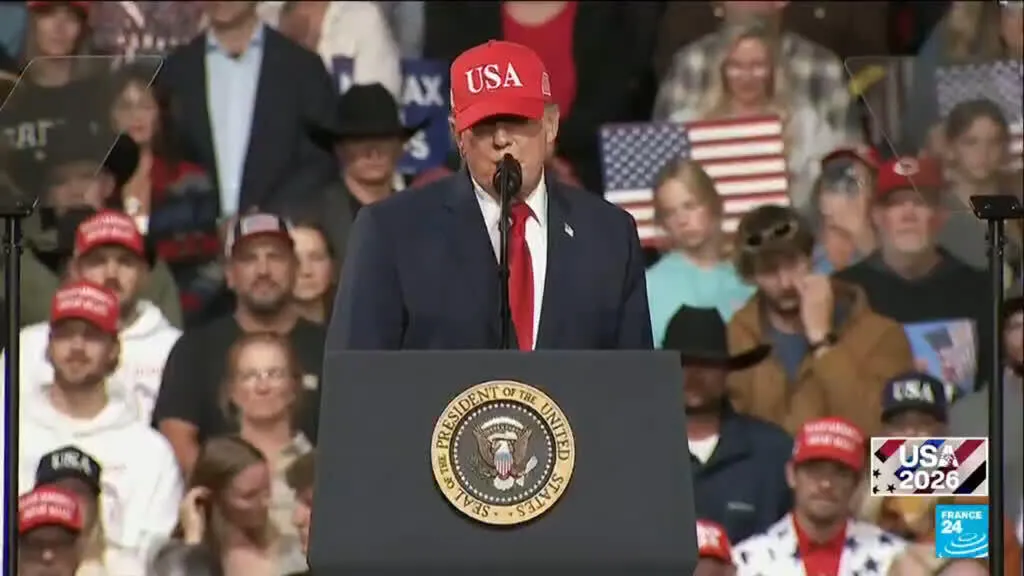
Hot September CPI: energy costs surge, voters feel the squeeze before midterms
The latest inflation print lands as Trump campaigns for GOP control of Congress, putting cost-of-living worries at the center of the midterm fight.