
State Department confirms 3 Americans dead in Venezuela earthquakes as consular teams coordinate
What the deaths mean for U.S. response, risk planning, and duty-of-care workflows when disaster strikes abroad.

The State Department confirmed that three Americans died in Venezuela earthquakes, and said its consular team is in contact. For decision-makers, it is a live reminder that international crisis response is an operational and compliance problem, not just a news headline.
Three Americans have died in Venezuela earthquakes, according to the U.S. State Department, as search-and-rescue and recovery efforts continue in the South American country. A State Department spokesperson confirmed the deaths of three Americans resulting from the earthquakes to NewsNation’s Hannah Brandt on Monday. The department also said its consular team is in contact.
That short confirmation matters more than it sounds, because the word “in contact” is where families, employers, travel programs, and legal risk all converge. When the State Department signals that consular teams are engaged, it usually means the U.S. is actively working to locate affected individuals, coordinate information flow, and support next steps. For anyone running cross-border operations, it is the start of a chain reaction: verifying who is safe, triggering internal incident protocols, and updating decision-making as facts change hour by hour.
Venezuela is not an abstract destination on a slide deck. For U.S. organizations, and for investors and boards with international exposure, earthquakes are the kind of event that can hit quickly and unpredictably, with compounding effects after the initial shock. Search-and-rescue and recovery efforts typically unfold over days, and those timelines often determine what information is confirmed, what is still unknown, and how fast official channels can validate identities. The State Department’s involvement signals that this is now part of formal U.S. international crisis handling rather than only local reporting.
There is also a practical governance angle here. Boards and executives increasingly treat “duty of care” and business continuity as disciplines with operating procedures, not as vague principles. When a State Department spokesperson confirms fatalities, organizations must be ready to respond to families and staff while aligning with legal and regulatory realities. Even when the U.S. government is not directing private companies, the government’s status updates can heavily influence internal risk assessments, travel advisories decisions, and how leadership communicates uncertainty without overstepping what is known.
Regulatory framing matters too, particularly for any firm with compliance obligations around export controls, anti-corruption risk, sanctions exposure, or recordkeeping tied to international presence. While this specific report focuses on the deaths and consular contact, disaster events can complicate compliance. Records can be interrupted, personnel can be displaced, and normal controls can degrade. Executives should treat major incidents abroad as moments when policies need to function in low-information environments, using structured escalation paths and documented actions.
For companies, the first order of business is usually confirmation and notification. The second is operational stabilization: accounting for who is where, who can be reached, and how business-critical functions might be disrupted. The third is longer-term reputational and legal consequence management. The State Department’s confirmation is a marker that the incident has moved into a category that affects formal responsibility, even if the company’s direct role in the disaster is indirect.
And for investors, the signal is similar. Even if you are not running operations on the ground, you can be exposed through supply chain dependencies, project timelines, insurance assumptions, and the reputational gravity that comes with international incidents. When a government spokesperson confirms deaths and indicates consular coordination, it raises the probability that incident costs will become real rather than theoretical. That can translate into tangible impacts on resources, communications, and potentially claims processing.
Ultimately, the story is tragic, and the facts here are clear: the State Department confirmed three Americans died in the Venezuela earthquakes, and its consular team is in contact, as search-and-rescue and recovery continues. The strategic stakes for executives and boards are straightforward. International crisis response has to be built before the crisis, because by the time official confirmation lands, the window for clean coordination is already closing.
This story's Key Insights and Take-aways are locked.
Create a free account to unlock Executive Actions for one credit.
Register to UnlockAlways free for Executives Club members. Join the Club
More in Politics
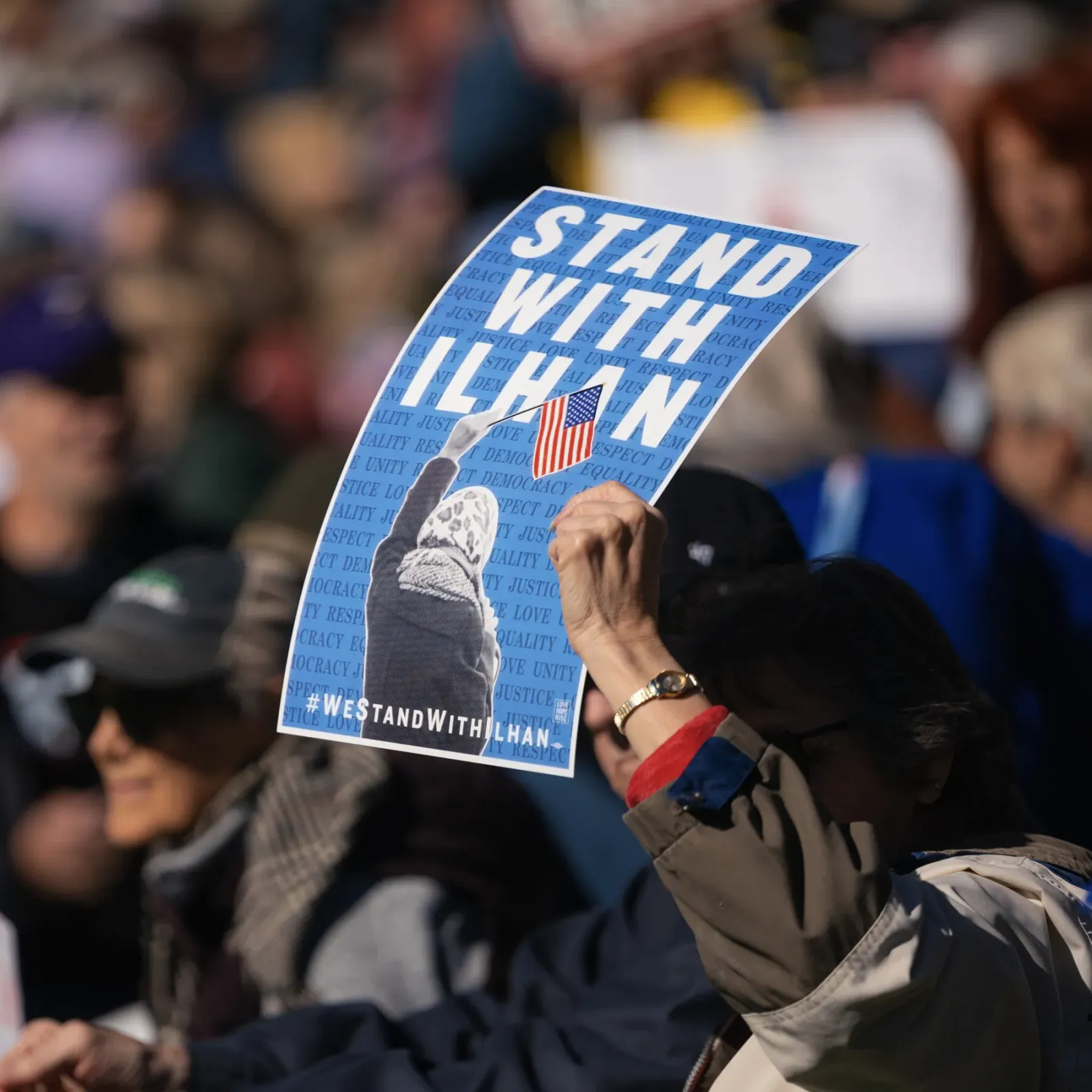
Obama Defends Ilhan Omar After Agents Search Her Home in Trump Inquiry
The former president's intervention raises the stakes in a federal probe into immigration paperwork that has put a prominent progressive lawmaker in the crosshairs.

Blair-era minister: cut welfare to fund youth job support
Alan Milburn's call for welfare cuts to fund employment support opens a Labour fight over benefits and the Neet crisis.
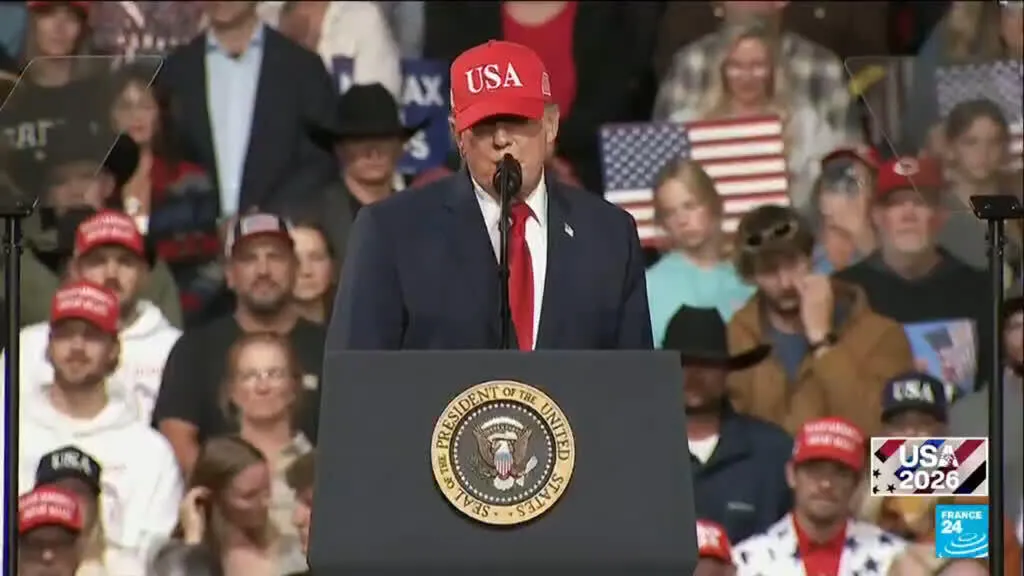
Hot September CPI: energy costs surge, voters feel the squeeze before midterms
The latest inflation print lands as Trump campaigns for GOP control of Congress, putting cost-of-living worries at the center of the midterm fight.