
RFK Jr. rejects Bill Cassidy’s ‘breaking promises’ charge as “not true,” meeting disclosed
Kennedy says he met Cassidy about a month ago and told him the Louisiana GOP critiques are untrue.
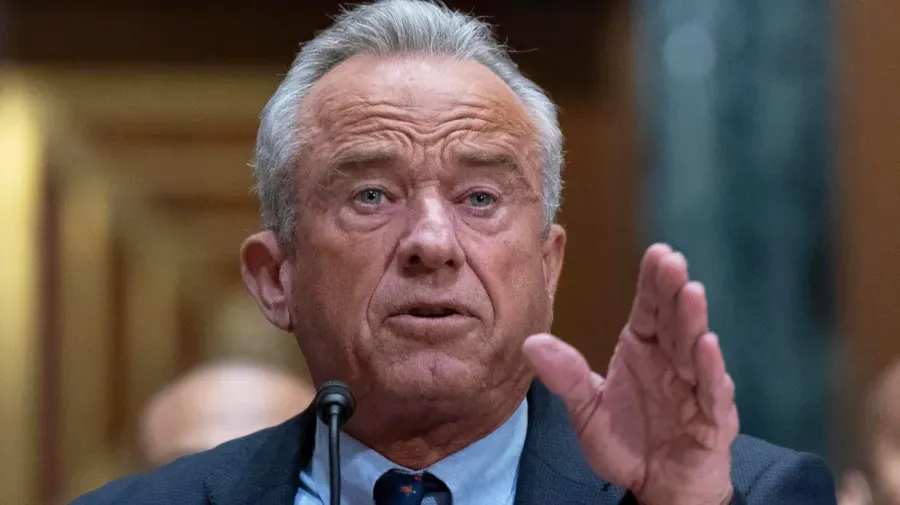
HHS Secretary Robert F. Kennedy Jr. dismissed GOP Sen. Bill Cassidy’s claim that he is breaking promises. Kennedy says he met Cassidy roughly a month ago and told him the critiques are untrue.
Health and Human Services (HHS) Secretary Robert F. Kennedy Jr. went on the offensive Monday, rejecting GOP Sen. Bill Cassidy’s accusation that he is breaking promises. Speaking to NewsNation’s Anna Kooiman in Atlantic City, N.J., Kennedy said he met with Cassidy roughly a month ago, and told the Louisiana Republican that the critiques are untrue.
That exchange matters because it is not just beltway theater. It is a preview of how HHS leadership can face pressure on implementation, credibility, and oversight, right when health policy decisions can move budgets, provider behavior, and compliance expectations. Cassidy’s criticism is framed by Kennedy as inaccurate, but the underlying dynamic remains: senators and oversight-minded constituencies will test whether executive branch commitments translate into measurable action.
To understand why this back-and-forth has teeth, you have to remember what HHS is. It is the department that touches major parts of the health ecosystem, from program administration to regulatory posture. When a senator publicly challenges whether the HHS secretary is keeping promises, it can tighten the room for policy maneuvering. Companies and institutions that depend on consistent rulemaking and administrative enforcement can react to perceived instability, even before formal changes land. In other words, “not true” can still have real operational impact, because the market and regulated entities often price in political and regulatory risk as soon as headlines appear.
Cassidy is a GOP senator from Louisiana, and Kennedy’s rebuttal sets up a familiar pattern in Washington: critics raise questions about whether commitments have been met, and the executive branch counters with direct claims about facts and intent. Kennedy’s specific detail, that he met Cassidy about a month ago and said the critiques are untrue, is an attempt to anchor the disagreement in a concrete timeline and a one-on-one conversation, rather than an abstract argument. That matters for oversight, because it implies there was an opportunity to clarify misunderstandings before they became public.
The setting also signals something. Kennedy spoke to NewsNation’s Anna Kooiman in Atlantic City, N.J. Media appearances like this function as both messaging and risk management. The executive branch uses them to shape narratives early, especially when the alternative is that critics define the story. For decision-makers watching from the outside, the message is: the secretary is preparing to contest the premise of the accusation, not concede it.
Second-order implications show up in how boards, investors, and operator leadership teams think about policy execution. Even when the dispute stays at the level of “promises,” the follow-through can include hearings, requests for documents, heightened scrutiny, and more demanding compliance interpretations. Regulated organizations often track not only the final rule but also the direction of travel: are regulators tightening, loosening, or shifting enforcement priorities? When a senior official is arguing that criticism is untrue, that can indicate the administration wants to prevent a credibility erosion that could later justify more aggressive oversight.
There is also the governance angle for HHS-adjacent stakeholders. In the U.S. health system, many stakeholders are accustomed to periodic turbulence. Still, leadership credibility can affect how quickly partnerships form, how confidently stakeholders invest in programs dependent on HHS guidance, and how eager agencies are to coordinate across lines of authority. A public dispute between HHS Secretary Kennedy and Sen. Cassidy reinforces that coordination will likely be contested. It suggests that listening sessions and private meetings may not be enough to satisfy external critics once they decide an issue must be publicly pressed.
For peers in similar roles, the lesson is straightforward and immediate. In health policy, credibility is not an HR concept. It is an operational variable. When a senator claims promises are being broken, the secretary’s response becomes part of the regulatory weather. Kennedy’s decision to say the critiques are untrue, and to point to a meeting roughly a month earlier with Cassidy, is an attempt to reset that weather. The strategic stakes are that once the narrative hardens, it can drive more scrutiny and shape how stakeholders plan for compliance and policy risk, even before new rules are officially issued.
This story's Key Insights and Take-aways are locked.
Create a free account to unlock Executive Actions for one credit.
Register to UnlockAlways free for Executives Club members. Join the Club
More in Politics
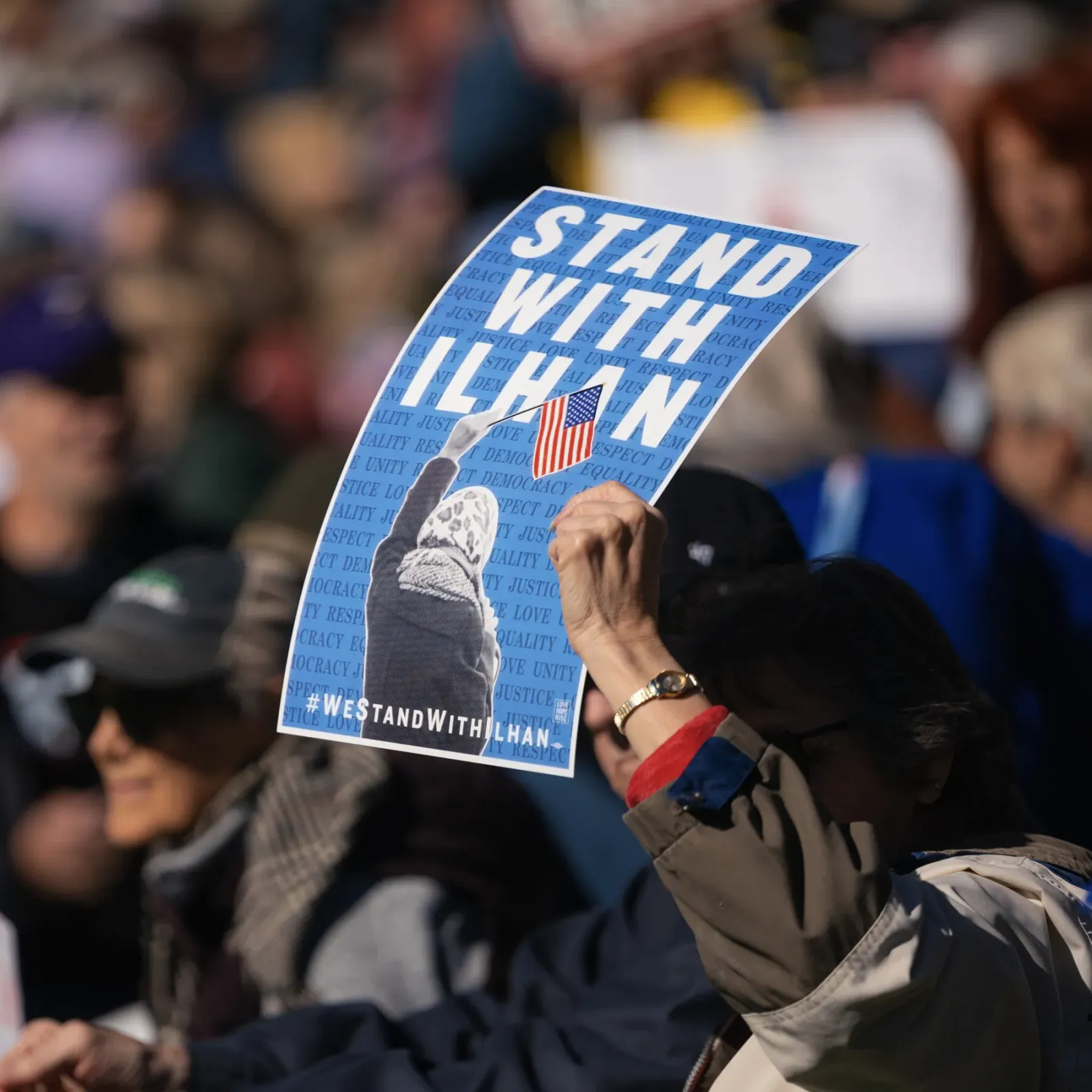
Obama Defends Ilhan Omar After Agents Search Her Home in Trump Inquiry
The former president's intervention raises the stakes in a federal probe into immigration paperwork that has put a prominent progressive lawmaker in the crosshairs.

Blair-era minister: cut welfare to fund youth job support
Alan Milburn's call for welfare cuts to fund employment support opens a Labour fight over benefits and the Neet crisis.
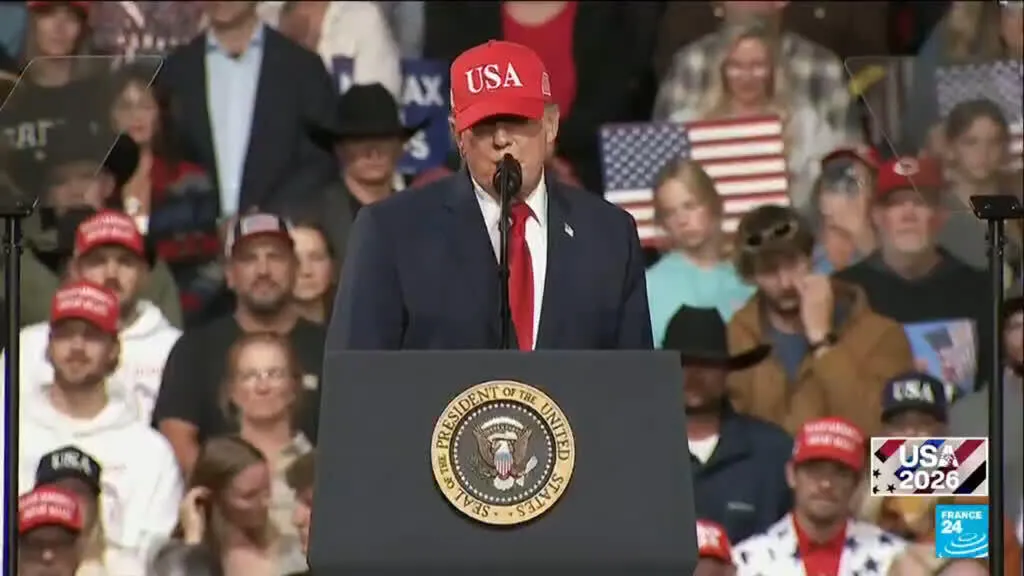
Hot September CPI: energy costs surge, voters feel the squeeze before midterms
The latest inflation print lands as Trump campaigns for GOP control of Congress, putting cost-of-living worries at the center of the midterm fight.