
An AI 'doomer' is set to make billions off Anthropic's IPO
An Estonian tech billionaire who warns AI could end humanity is positioned as one of the biggest winners in Anthropic's upcoming listing, and the payoff says more about how the AI boom rewards its loudest critics than about the critics themselves.
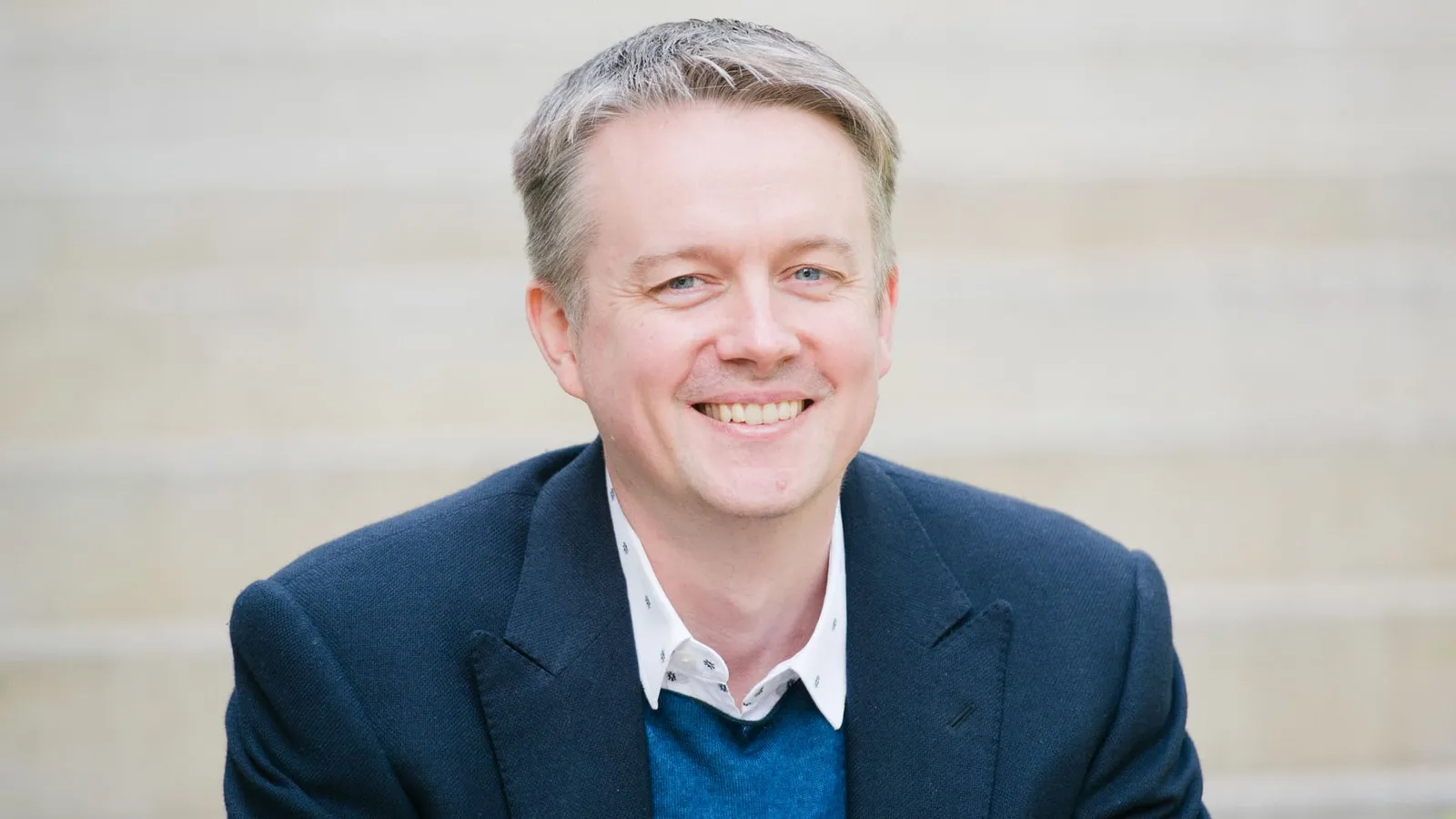
An Estonian tech billionaire known for arguing that AI could end humanity is expected to be one of the biggest winners in Anthropic's upcoming IPO, according to CNBC. For founders, boards, and investors, the listing is a test case in how safety-first positioning and early equity coexist once a private lab's cap table becomes a public disclosure.
One of the loudest warnings in technology is about to be settled in a very large number. CNBC reports that an Estonian tech billionaire, famous for his stance that artificial intelligence could end humanity, is expected to be one of the biggest winners in Anthropic's upcoming IPO. The network did not name him, and it did not put a figure on the stake. The framing is the story anyway: some of the people who spend their public lives arguing that frontier AI is an existential risk are also the people holding the equity. That is less hypocrisy than strategy, and it is about to be stress-tested by the public market.
The logic inside AI-safety circles has long been that influence beats abstinence. If a technology will be built regardless, the argument runs, the useful move is to be close enough to shape it, to fund the researchers asking hard questions, and to hold a seat when the consequential decisions get made. Historically, that has meant writing checks into labs rather than campaigning against them from the outside. Anthropic was founded in 2021 by former OpenAI researchers who built the company around the idea that safety is the product, not the brake. Its Claude models now compete at the frontier, and early backers who bought that thesis are sitting on positions that a listing would turn into liquid, public wealth.
For context, Anthropic has raised enormous sums from large cloud providers, and its models reach customers both directly and through those partners. That structure matters for the IPO math. Early capital in frontier labs has typically arrived through private rounds, convertible instruments, and strategic agreements rather than open-market purchases, which means the gap between what an early backer paid and what a public listing implies can be enormous. When a company like this goes public, the winners are usually not the people buying on day one. They are the people who were there in the quiet rounds, when the outcome was genuinely uncertain and the rhetoric was genuinely alarming.
A listing also changes what a company is allowed to say. An IPO typically forces a business to publish detailed risk factors, disclose related-party arrangements, and answer to shareholders who care about quarterly numbers. Safety commitments that read as mission statements in private can start to look like constraints in a prospectus. That is the real tension the Estonian billionaire's windfall exposes: the same event that mints a fortune for a doomer also hands a public shareholder base a vote on how cautious the lab is allowed to remain.
Then there is the optics problem, which is not trivial. A safety-first lab generating one of the largest personal paydays in the sector is a gift to critics who argue that AI-risk talk is branding. The counterargument, and it is the one that has circulated among long-time AI-risk funders, is that money made here is money that can be redirected toward the problem. Philanthropy aimed at existential risk has historically been funded by exactly this kind of tech windfall, so the more interesting question may be not how much the stake is worth but where the proceeds eventually go.
The Estonian angle is worth pausing on. Estonia has roughly 1.3 million people and has produced a wildly disproportionate share of global tech wealth, from the team that built Skype to the founders of Wise and Bolt. A country that small producing a billionaire whose defining public position is that AI could end humanity is a very Estonian story: small state, outsized software leverage, and a founder class that thinks in global, long-horizon terms. It also explains why a stake like this is likely to be treated as a platform rather than a payday.
For founders and boards watching this, the lesson is structural rather than moral. Conviction and capital rarely point in the same direction, and the people who articulate the risk most loudly are often the ones best positioned to capture the upside. If you are raising into a hot sector, expect investors to ask what happens to your stated principles when disclosure, fiduciary duty, and a lockup expiry arrive at the same time. The answer you give in a pitch meeting is not the answer you will give in an S-1.
What to watch next: whether the IPO names the holder and sizes the stake, how the company frames safety in its public filings, and whether the windfall gets recycled into AI-risk work or into a family office. The listing will not resolve the debate about whether AI ends humanity. It will, however, settle a narrower question that every operator in this cycle should care about: when the doomers win, what do they do with the money?
This story's Key Insights and Take-aways are locked.
Create a free account to unlock Executive Actions for one credit.
Register to UnlockAlways free for Executives Club members. Join the Club
More in Technology

Anthropic mathematician claims Claude helped crack the Riemann hypothesis
If the proof holds, AI has toppled math's most famous open problem; if it does not, it is a case study in announcing breakthroughs before anyone verifies them.

AI's $4 Trillion Wipeout Erases Nasdaq's Gains for the Year
A brutal week took roughly $4 trillion off the AI sector and left the Nasdaq flat for the year, and the damage ran the full length of the supply chain.

Anthropic mathematician says AI proved the Riemann hypothesis. Verification will take time.
A single unverified claim from inside Anthropic now sits against more than 160 years of open mathematics, and the gap between asserting a proof and surviving peer review is the entire story.