

Ann Widdecombe killing: police arrest 26-year-old man, call it non-terror for now
The arrest of a 26-year-old suspect shifts the case from rumor to investigation, while police say there is no terror or political motive so far.
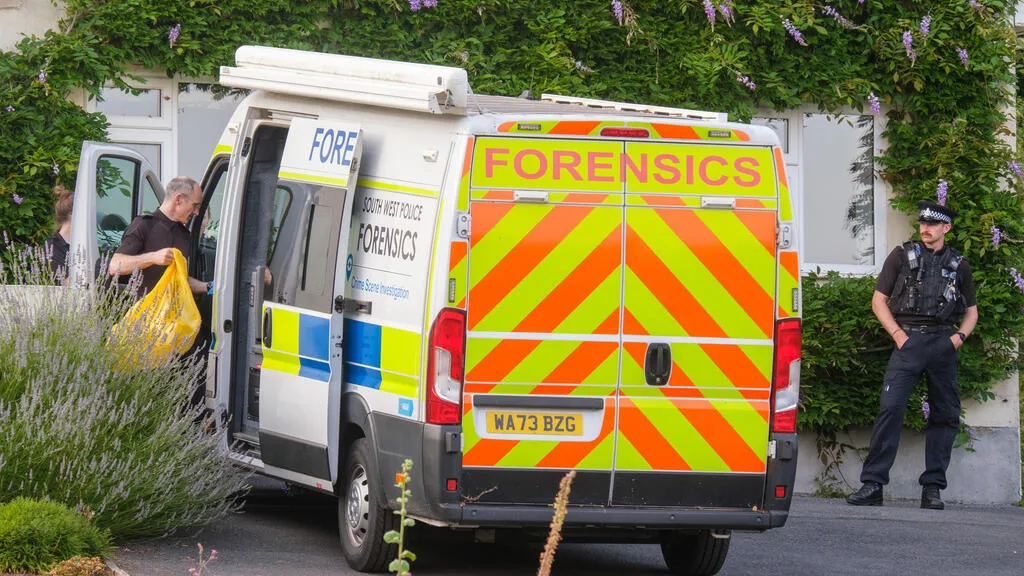
Police arrested a 26-year-old, White British man on suspicion of killing former Conservative minister and Reform UK member Ann Widdecombe. For decision-makers, the case is a stress test for how institutions handle high-salience security, reputational risk, and politically sensitive narratives as facts develop.
Police in the UK have arrested a 26-year-old, White British man on suspicion of killing former Conservative minister and Reform UK member Ann Widdecombe. The arrest, made on Friday, turns a deadly event into an active criminal investigation with one immediate question for everyone watching: what was the motive, and how quickly can authorities separate fact from speculation?
So far, police say they have no information to suggest the killing was politically motivated or an act of terror. That matters because “political” and “terror” are not just labels. They change the operational response, the threat assessment, the tone of official messaging, and the way politicians, media organizations, and security teams interpret downstream signals.
For executives and boards, the relevance is not that an organization is somehow “responsible” for a crime. It is that these moments create a short-lived chaos cycle: people react to headlines faster than investigators can confirm details. When police offer an early framing like “no information” pointing to political motivation or terrorism, it signals caution. It also highlights how quickly public discourse can overfit to scary narratives, even when the evidentiary base is still forming.
This case also sits at the intersection of UK politics and the media attention economy. Widdecombe is described in the reporting as both a former Conservative minister and a Reform UK member. That dual identity is likely to intensify scrutiny, because audiences may look for ideological explanations even before police have gathered or presented motive-related facts. In practice, that can spill into the wider ecosystem: campaigns, commentators, and organizations decide how loudly to amplify, whether to invite risk into public statements, and how to manage the security posture of public figures.
From a governance standpoint, you can think of it like a reputational risk and incident communications stress test. Police provide a preliminary status update, then the story evolves through custody decisions, charges, forensic findings, and whatever motive evidence emerges. Until then, uncertainty is the dominant feature. Boards that operate in regulated environments know this pattern well: regulators and law enforcement often move in steps, and organizations have to resist the temptation to declare conclusions prematurely.
There is also a “second-order” implication for people who manage stakeholder trust. When authorities say they have no information suggesting political motivation or an act of terror, it tends to narrow the space for sweeping statements. Yet it does not eliminate risk. Even a non-terror framing can coexist with threats, targeted violence, or other forms of instability. That is why institutional readiness is crucial: having protocols for crisis messaging, escalation pathways for security concerns, and guardrails for public communication.
Executives should notice the timing too. The suspect was arrested on Friday, and the reporting includes the police’s current position on motivation. That combination is the point: early arrests can look definitive, but motive is often the slowest part to verify. In high-attention cases, the public may treat arrest and motive as one package. But law enforcement typically treats them as separate questions. If you are advising leadership teams, the lesson is to align internal messaging with what is known, not what would be most satisfying to know.
Finally, the strategic stakes for peers go beyond politics. High-profile deaths involving public officials can trigger broader concerns about safety, protest risk, and the durability of democratic norms. Organizations that touch public policy, political communications, or community relationships may see increased pressure to weigh in, take stances, or endorse certain narratives. In those moments, the safest play is usually disciplined: track official updates, avoid amplifying unsupported motive claims, and ensure any operational response is grounded in verified information from authorities.
For now, the facts reported are clear and limited: a 26-year-old suspect has been arrested on suspicion of killing Ann Widdecombe, and police say they have no information suggesting the killing was politically motivated or an act of terror. The next phase will be about how the investigation fills in the motive gap. Until then, the key executive challenge is to stay accurate while the internet stays eager.
This story's Key Insights and Take-aways are locked.
Create a free account to unlock Executive Actions for one credit.
Register to UnlockAlways free for Executives Club members. Join the Club
More in Politics

Glacial collapse, not rain, killed 180 in Nepal's Himalayan flood
The Himalaya's extreme geography hid the true cause of Nepal's catastrophic flood, a glacial collapse that turned a geological battleground into a mass-casualty zone.

Iran’s Esmail Baghaei says Oman talks start shipping via Hormuz, not US talks yet
Temporary route plans with Oman aim to restart commerce while Tehran says Washington dialogue is not on the table.

Standards watchdog opens probe into Reform UK deputy leader Richard Tice over interests
The parliamentary standards commissioner says it began an investigation on 28 July into a possible undeclared interest.