
Anthropic's 7 founders pocketed $280M each in record IPO
At $83 a share, seven founders cleared nearly $2B while the company nabbed close to $105B, a liquidity structure late-stage boards now have to price into their own listing plans.
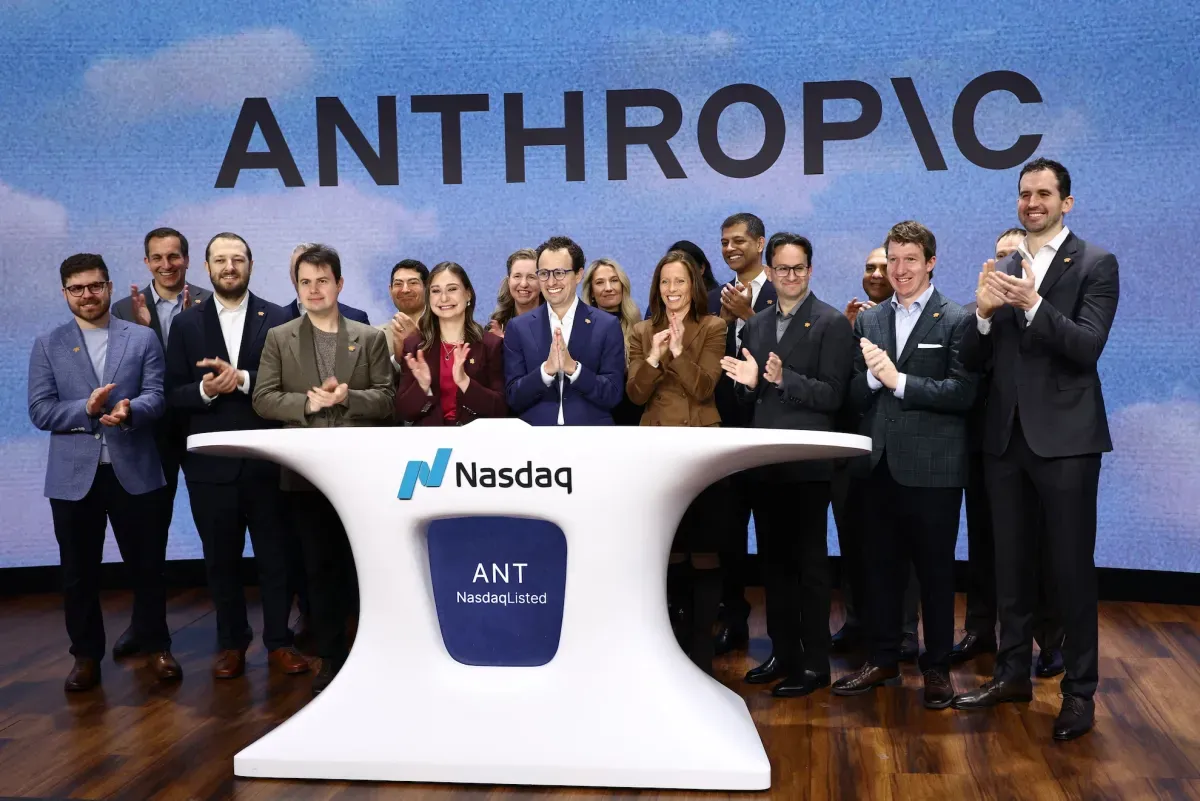
Anthropic's seven founders each pocketed $280 million at the company's $83-a-share IPO, a combined haul of nearly $2 billion, while the company nabbed nearly $105 billion in a listing TechCrunch calls record-breaking. For boards and CFOs at other late-stage AI companies, the deal sets a fresh benchmark for founder liquidity, IPO pricing leverage, and the recruiting math that follows a public listing.
Anthropic's seven founders each pocketed $280 million when the company went public, a combined haul of nearly $2 billion. The number that made it possible was the offer price: $83 a share, an upgraded level that TechCrunch reports as the final IPO price. Seven founders, $280 million apiece, roughly $2 billion in total. That is the headline, and it deserves a beat of silence, because founder liquidity at this scale, timed to the listing itself, is not how most public debuts play out.
The other side of the ledger is louder still. Anthropic nabbed nearly $105 billion in what TechCrunch describes as a record-breaking IPO. Stack the two figures together and the shape of the deal snaps into focus: a listing big enough to reset expectations across the AI sector, paired with a founding team that converted a meaningful slice of its stake into cash at the offer price rather than waiting for the open market to decide what those shares were worth.
The word "upgraded" is doing real work in that sentence. In a typical IPO, underwriters set an initial price range, spend a week or two collecting orders from institutional investors, then price the deal the night before it starts trading. When demand outruns supply, the final price lands above the original range. That is what an upgrade signals: more buyers than shares, and a company with enough leverage to ask for more. For the founders, every dollar of that upgrade flowed straight into the value of what they were selling.
Founder cash-outs at the IPO stage usually run through one of a few channels. Shares can be sold as part of the offering itself, allocated through a directed share program, or carved out as a secondary tranche reserved for existing holders. Each route carries trade-offs. Selling into the offering means accepting the offer price instead of riding whatever the stock does after the bell, and it typically means a tax bill in the year of the sale rather than years down the road. For someone holding a concentrated, illiquid position built over a decade, that is often a trade worth making, particularly when the offer price has already been marked up once.
The uniformity is its own signal. Seven founders, $280 million each, is a strikingly even distribution at the top of a cap table. Most venture-backed companies end up with a founder stack that looks lumpy: one or two names holding outsized stakes, the rest diluted by later rounds, option pools, and early hires. An even split at this level suggests a founding group that negotiated its economics together and held them together through every financing round that followed.
For the rest of the AI industry, the sharper question is what this does to recruiting. Every researcher weighing an offer from a rival lab now has a public benchmark for what equity at Anthropic was worth at the moment of listing. That cuts both ways. It makes Anthropic's paper offers easier to value and easier to compare, which helps in a hot hiring market. It also hands competitors a precise number to beat, and it gives existing employees a reason to think hard about when their own vesting schedule converts into something they can actually spend.
The regulatory scaffolding around a listing like this is well worn, and worth understanding because it shapes what founders can and cannot do. A company going public files a registration statement that discloses its financials, risk factors, and the identities of major selling shareholders. Insiders typically agree to a lockup, historically around 180 days, during which they cannot sell. Companies and their officers also observe a quiet period around the offering, limiting what they can say publicly. The fact that founders realized cash at the IPO price suggests this deal was structured with liquidity in mind from the start, not bolted on afterward.
The strategic stakes land on two groups. For boards at other late-stage AI and infrastructure companies, Anthropic's debut is now the reference point in every conversation about when to go public, how to price, and whether to build a founder liquidity component into the offering. For investors, the math is a reminder that returns in this cycle are being realized faster than in the last one, with founders taking money off the table at the listing rather than years later. The era of the decade-long wait for a founder payday may be ending. Anthropic just showed what the alternative looks like, and it came with a $280 million receipt for each of seven people.
This story's Key Insights and Take-aways are locked.
Create a free account to unlock Executive Actions for one credit.
Register to UnlockAlways free for Executives Club members. Join the Club
More in Business

S&P 500 Enters Correction, Down 10% From Its High on AI Worries
The index's slide past the 10 percent line is a symbolic verdict on investor mood, and the AI trade that powered the rally is now the thing testing it.

Dow and S&P 500 enter correction as Nasdaq logs worst week since 2020
All 11 S&P 500 sectors fell more than 1% in the same week for the first time since April 2025, a breadth signal that matters more than any single index level.

Chip stocks lose $2.3 trillion in a week, worst run in 25 years
A $2.3 trillion weekly wipeout in semiconductors is forcing every board with an AI story to ask whether it owns a thesis or just a crowded trade.