
Anthropic's $81.3B Debut Is the Biggest IPO Ever. A Celebrity Investor Made Billions
At $83 a share and $81.3 billion raised, Anthropic just logged the biggest stock market debut ever, and the pricing resets the reference point for every founder weighing a listing.
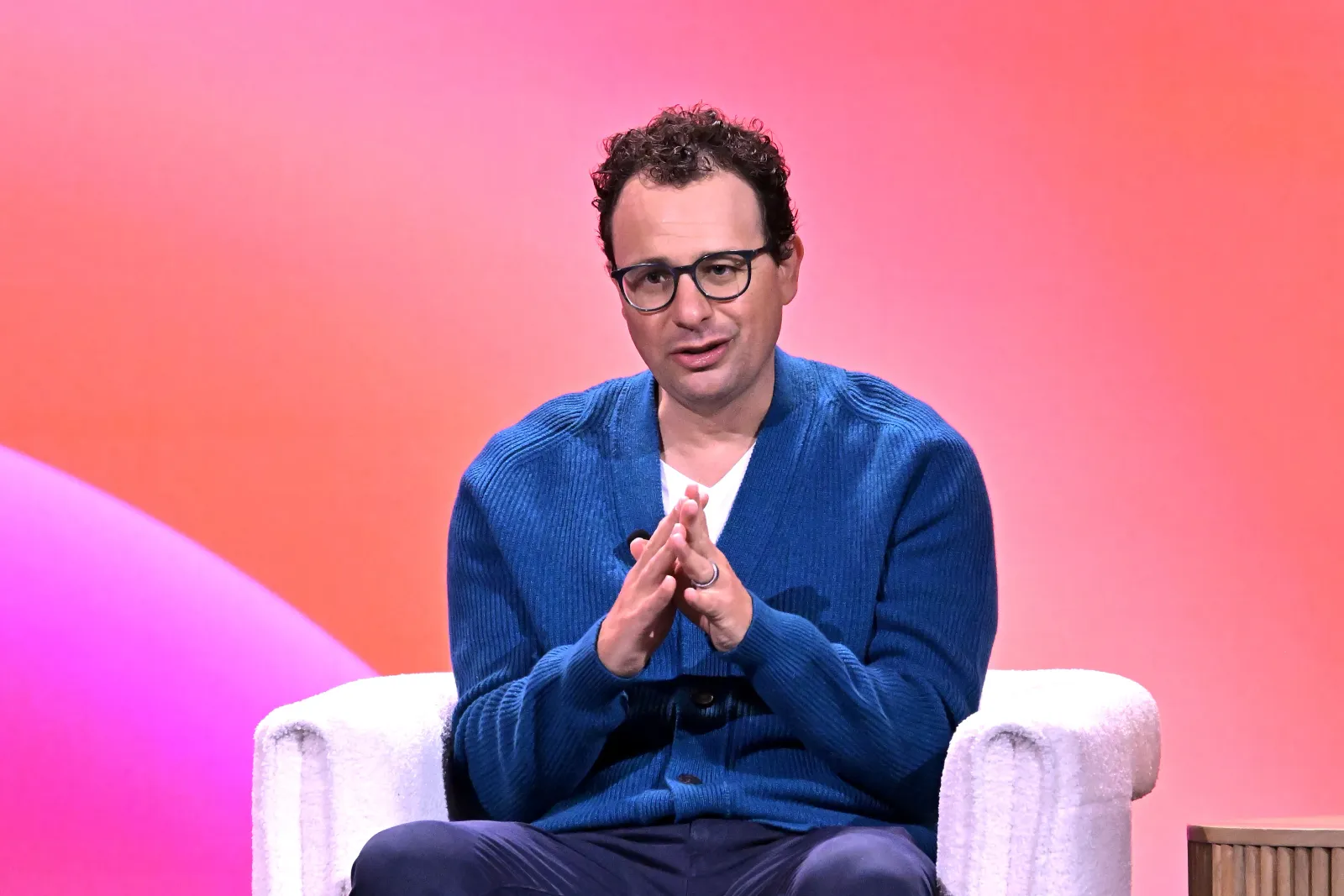
Anthropic raised at least $81.3 billion in its initial public offering Thursday at $83 a share, the largest stock market debut in history, with Variety reporting at least one celebrity investor earned billions. For executives and boards, the print resets what public markets will pay for AI exposure and puts pressure on every late-stage AI company to explain why it is still private.
Anthropic raised at least $81.3 billion in its initial public offering Thursday, Variety reported, making it the largest stock market debut of all time and earning at least one celebrity investor billions. The company set its share price at $83 on Wednesday, well above the initial benchmark it had signaled, according to the report. Two numbers, then: $83 a share and $81.3 billion raised. Those are the story in miniature. An AI lab that spent its entire life as a private company just pulled more capital out of public markets in a single session than any company in history.
The scale is hard to absorb, so here is the yardstick. For context, the previous record holders for a stock market debut sit in a different weight class. Saudi Aramco's 2019 listing raised roughly $29 billion, and Alibaba's 2014 offering raised about $25 billion. Anthropic's raise is nearly three times the Aramco figure. The company behind the Claude family of AI models did in one Thursday what the largest energy company on earth did over the course of a heavily marketed, multi-week roadshow. The "at least" in the $81.3 billion matters too. IPO deals typically include an over-allotment option, commonly called a greenshoe, that lets underwriters sell extra shares when demand runs hot, so a final tally above $81.3 billion would be consistent with how these deals are structured.
The $83 share price is the other half of the math. Divide the raise by the price and you get something on the order of 980 million shares sold. That is an enormous float, and it tells you the demand side of this trade was not a handful of index funds nibbling at the edges. It was a broad, deep bid for artificial intelligence exposure at a moment when public investors have relatively few pure-play ways to own the theme at scale. Pricing a deal that size above the level a company initially signaled is typically a sign that demand outran the original plan rather than a rounding error by the bankers.
Variety's report flags a detail that will travel further than the dollar figure: at least one celebrity investor earned billions on the debut. That is a distinctly modern feature of the AI boom, where household names have increasingly been folded into private rounds alongside sovereign funds and corporate strategics. The identity of that investor, and the size of the stake, will be the most-clicked question of the week. The structural point is bigger than any single name, though. When a company can go from private to record-shattering public in one session, the wealth created lands on a very small number of cap tables. The distance between who owns the upside and who merely uses the product becomes a live public conversation, and it is not a comfortable one.
For founders and CFOs at other AI companies, the Anthropic print resets the ceiling. A listing of this size changes what a banker can credibly put in front of a board, and it changes what a board can credibly tell itself about waiting another year. Expect every late-stage AI lab with a term sheet and a revenue line to be asked, this quarter, why it is not testing the public market. That pressure cuts both ways. Public ownership brings quarterly disclosure, analyst calls, lockup expirations and a shareholder base that can sell whenever it likes. A company that has spent its life arguing that AI development needs room to breathe suddenly has to explain its roadmap on a fixed calendar, in public, to people who care about next quarter's margins.
The second-order effects are where boards should focus. First, the IPO window. If Anthropic clears this cleanly, the backlog of AI and AI-adjacent listings that has been building behind closed doors gets a green light, and capital parked in private rounds starts competing with public markets for the same assets. Second, compensation. Liquid stock is a different recruiting weapon than paper options, and rivals will feel it in senior hiring. Third, scrutiny. A company this visible, in a sector this politically charged, tends to draw regulatory attention to its governance, its data practices and its safety claims, whether it wants that attention or not.
None of this is a verdict on the economics of AI. One enormous raise tells you what public investors were willing to pay on a single Thursday. It does not tell you what they will pay in eighteen months, when lockups expire and the first few earnings reports land. What it does tell you is that the capital markets have stopped treating artificial intelligence as a private-market story. The biggest debut in history just moved the argument onto the public record, with quarterly receipts attached.
This story's Key Insights and Take-aways are locked.
Create a free account to unlock Executive Actions for one credit.
Register to UnlockAlways free for Executives Club members. Join the Club
More in Business

S&P 500 Enters Correction, Down 10% From Its High on AI Worries
The index's slide past the 10 percent line is a symbolic verdict on investor mood, and the AI trade that powered the rally is now the thing testing it.

Dow and S&P 500 enter correction as Nasdaq logs worst week since 2020
All 11 S&P 500 sectors fell more than 1% in the same week for the first time since April 2025, a breadth signal that matters more than any single index level.

Chip stocks lose $2.3 trillion in a week, worst run in 25 years
A $2.3 trillion weekly wipeout in semiconductors is forcing every board with an AI story to ask whether it owns a thesis or just a crowded trade.