
Anthropic's hidden IPO catch: billions in locked-up shares are coming
A looming oversupply of unlocked stock could weigh on Anthropic's shares for a year, and it is a warning for every founder pricing a listing.
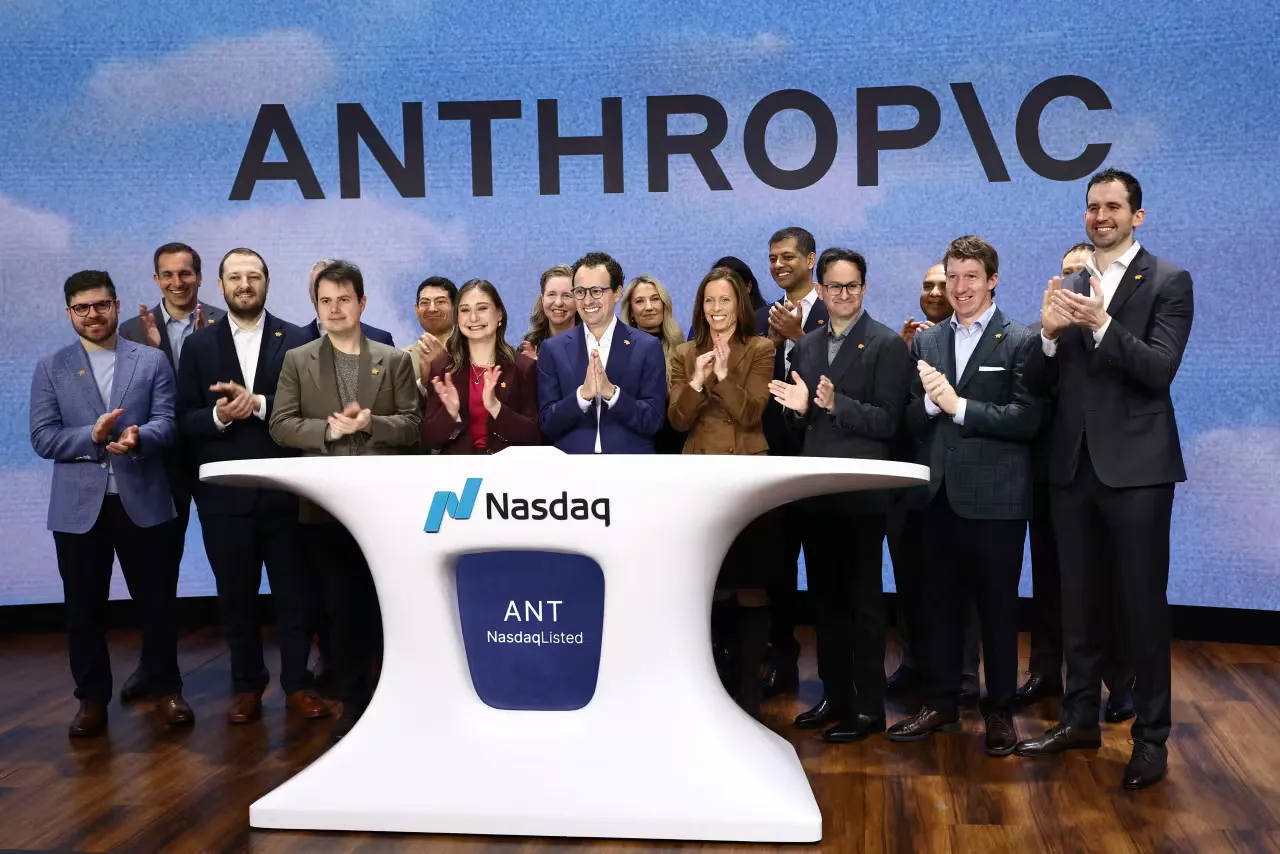
Anthropic's IPO carries a hidden catch: billions of locked-up shares are waiting in the wings, and a looming oversupply problem could weigh on the stock over the next year. For founders, CFOs, and boards, the lesson is that a listing starts a multi-year supply schedule that must be managed and disclosed, not discovered by the market.
Anthropic's IPO carries a catch that will not show up in the opening-day ticker tape: billions of locked-up shares are waiting in the wings, and a looming oversupply problem could weigh on the stock over the next year. That is the setup MarketWatch flagged, and it is the kind of detail that decides whether a listing's first twelve months feel like a victory lap or a grind. The shares already exist. The holders already exist. What does not exist yet is permission to sell, and the moment that permission arrives, the market has to absorb a wave of new supply that was never part of the float on day one.
Here is the arithmetic that makes it matter. A newly public company trades on a small slice of itself, the float, typically the shares sold in the offering plus whatever early holders are allowed to sell. Everything else sits behind a lock-up agreement, a contractual handcuff that keeps insiders from dumping stock while underwriters are still trying to build an orderly market. When those handcuffs come off, the tradeable supply can multiply. If demand does not multiply with it, price pays the difference. That is the oversupply problem in one sentence, and it is why the year after a hot listing is often harder than the week of it.
Lock-ups are standard practice, not a red flag. On most U.S. listings they run roughly 90 to 180 days, with the exact terms set in the underwriting agreement. Historically, the biggest single test comes when the first tranche expires, because that is when the largest number of holders suddenly have the same option: sell, hold, or sell part. Employees who have spent years holding paper wealth often take the first exit they can. Venture funds with fixed fund lives have their own reasons to return capital to their own investors. Neither group is making a judgment about the business. Both groups move the tape.
Anthropic's situation amplifies the usual dynamic. AI labs are talent businesses, and talent is paid heavily in equity, which means a large share of the cap table can sit with current and former employees rather than with a handful of institutions. The company also raised at enormous private valuations, so the gap between what early holders paid and what public markets will pay is wide, which is exactly the condition that produces selling. Add the crossover investors who bought late and now need liquidity, and the queue at the exit gets longer.
Companies do have levers. They can stagger expirations across several tranches instead of one cliff. They can negotiate early releases for a limited number of shares to seed liquidity. They can run a follow-on offering or a secondary block to meet supply with organized demand rather than letting it leak out. Underwriters can support the stock around a known expiry date. Index providers can add the name, which pulls in passive money that buys regardless of the story. None of these tools removes the supply. They spread it out and, if the company is lucky, match it with buyers who want to own the story for years rather than days.
The harder problem is signaling. Insider selling is read as a verdict even when it is not one. A founder trimming a position to buy a house and a fund distributing to its limited partners can look identical in a filing. Boards that plan for this in advance, with clear disclosure and a schedule the market can anticipate, tend to take less damage than those that improvise. Silence followed by a surprise block trade is the version that spooks investors and hands short sellers their opening.
There is also a mechanical layer most first-time issuers underestimate. Some selling is not a statement at all, it is tax. Employees exercising options owe money, and the simplest way to pay is to sell shares at the same moment thousands of colleagues are doing the same thing. That is why the calendar matters more than the sentiment. A company that knows its own expiry dates can time earnings, announcements, and investor days around them. A company that does not is handing the market a predictable date on which it will be the seller of last resort in its own stock.
For Anthropic, the next year is a test of whether public demand can absorb private-era supply without breaking the narrative that got it there. For every founder and CFO watching, the lesson is that an IPO is not a finish line but the start of a multi-year supply schedule. Price the listing with the lock-up calendar on the table, not buried in a footnote. The companies that handle this well treat their own share count as a product: managed deliberately, communicated clearly, and never left to surprise the market.
This story's Key Insights and Take-aways are locked.
Create a free account to unlock Executive Actions for one credit.
Register to UnlockAlways free for Executives Club members. Join the Club
More in Business

S&P 500 Enters Correction, Down 10% From Its High on AI Worries
The index's slide past the 10 percent line is a symbolic verdict on investor mood, and the AI trade that powered the rally is now the thing testing it.

Dow and S&P 500 enter correction as Nasdaq logs worst week since 2020
All 11 S&P 500 sectors fell more than 1% in the same week for the first time since April 2025, a breadth signal that matters more than any single index level.

Chip stocks lose $2.3 trillion in a week, worst run in 25 years
A $2.3 trillion weekly wipeout in semiconductors is forcing every board with an AI story to ask whether it owns a thesis or just a crowded trade.