
Anthropic Sets I.P.O. Price Wednesday, Trades Thursday in AI's Public-Market Debut
Two days will set the benchmark for every private AI valuation: Anthropic prices Wednesday and trades Thursday, and founders, CFOs, and investors are watching the tape.
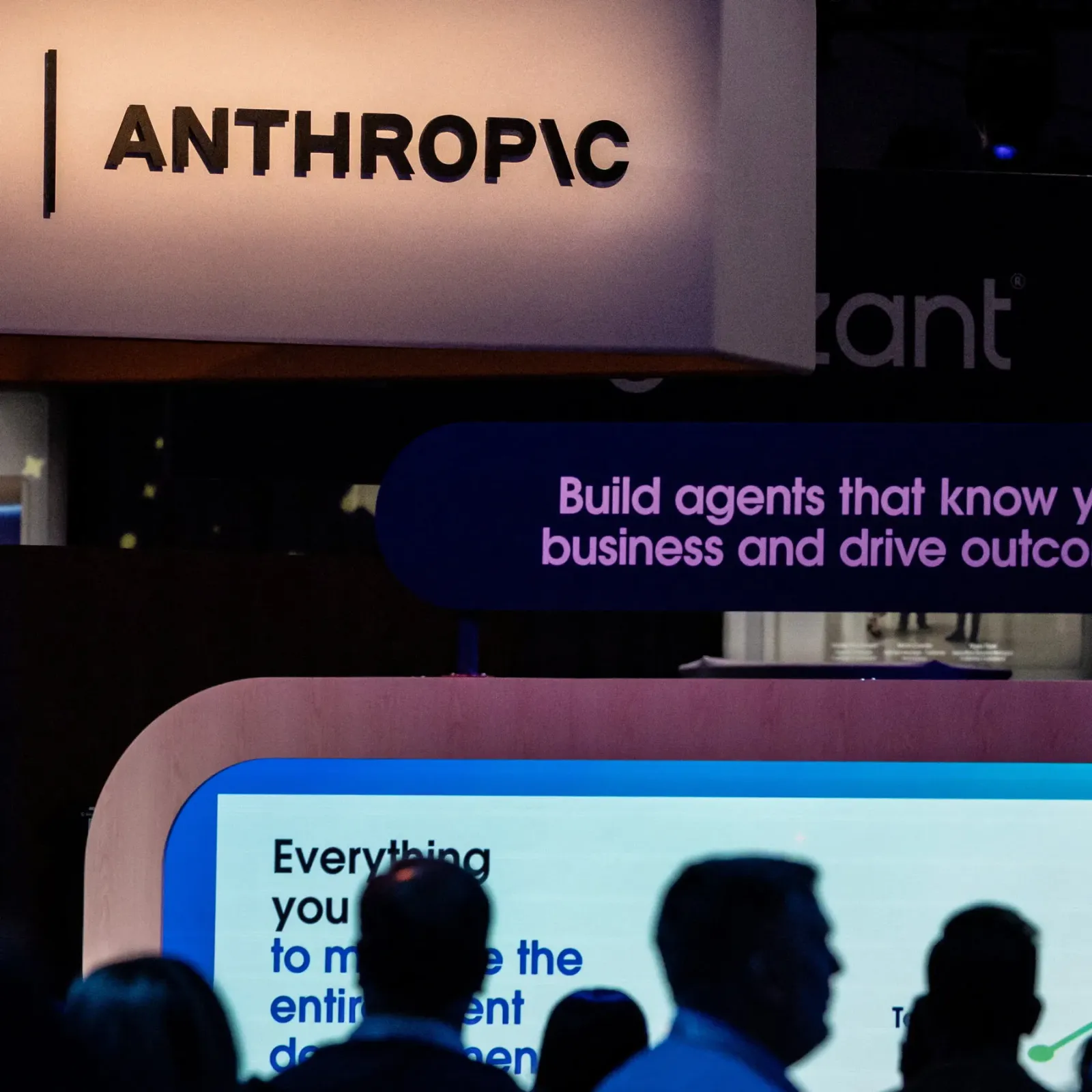
Anthropic, the AI developer behind the Claude models, is expected to officially price its initial public offering on Wednesday, with its stock beginning to trade on Thursday, according to The New York Times. The two-day sequence will produce a live public price for a major AI lab, giving founders, CFOs, and investors a benchmark that shapes fundraising, employee equity, and the IPO backlog.
Anthropic is set to finalize the price of its initial public offering on Wednesday, with the stock scheduled to begin trading on Thursday, according to The New York Times. That is the whole of the official calendar, and it is also the entire point: after months of private-market hype, the AI developer behind the Claude models is about to find out what public investors think it is worth. Pricing is not a formality. It is the moment a company and its bankers stop guessing and start committing, converting a private valuation into a number that anyone with a brokerage account can buy or sell.
The Times called it a blockbuster I.P.O., and the label fits the moment rather than the mechanics. Anthropic sits at the center of the largest capital cycle in tech, and its debut is the rare event that tests the AI trade in public, in real time, with a ticker attached. Founders, CFOs, and venture investors who have spent two years marking up private AI positions now get a live price signal. Whatever number prints Thursday morning becomes the reference point for every AI term sheet, every employee stock grant, and every LP letter written in the months that follow.
Here is how the two days typically work. On Wednesday evening, after a roadshow in which management pitches institutional investors, the company and its underwriters settle on a final offer price, usually at or near the range disclosed in its filings. The bankers have spent days building a book of orders, sorting demand by investor, size, and staying power. The price they choose is a deliberate compromise: high enough to raise serious capital, low enough to leave room for a first-day pop that rewards the buyers who took the risk. Thursday morning, the stock opens on an exchange, and the market takes over. From that first print onward, the company's own opinion of its value stops mattering.
AI companies bring a complication to that ritual. Their economics are unusually front-loaded: heavy spending on compute, chips, and talent lands today, while the revenue those investments are meant to produce arrives over years. Public investors are typically less patient than private ones, and they mark their holdings every single day. That mismatch is the real test on Thursday. A strong debut suggests the market will fund the buildout at scale. A weak one raises an uncomfortable question for every lab burning cash to stay in the race.
The read-through extends well beyond one company. Rival labs, including OpenAI, have raised enormous private rounds at valuations that only hold up if a public exit eventually exists. A successful Anthropic listing gives those marks credibility and, more practically, hands late-stage investors a comparable to point at. A disappointing one does the opposite, forcing a rethink of the assumption that private AI valuations are simply a preview of public ones. The same logic applies to the broader backlog of venture-backed companies waiting for a friendlier window to open.
Watch four things on Thursday. First, the opening print against the offer price, which tells you how much demand was left on the table. Second, trading volume, which separates durable institutional buying from a quick flip. Third, the tone of the first analyst notes, which typically arrive weeks later once the quiet period lifts. Fourth, the lockup calendar, which determines when early employees and investors can sell. That last date matters more than the first-day pop for anyone thinking about talent retention.
Then there are the second-order effects that rarely make the front page. A strong I.P.O. reopens the window for other companies that have been quietly preparing to file. It also resets internal expectations at every private AI company, where employees holding illiquid equity suddenly have a public benchmark for what their options are worth. And it hands ammunition to both sides of the regulatory debate: supporters will cite public-market validation, while skeptics will note that a hot debut does not answer questions about safety, concentration, or how these models actually make money.
For executives and boards, the lesson is about timing and preparation, not prediction. Public markets reward companies that can explain their unit economics in plain language and then hit the numbers they guide to. Anthropic's pricing on Wednesday and its first trade on Thursday will not settle the AI debate. They will, however, set the price of admission for everyone who follows.
This story's Key Insights and Take-aways are locked.
Create a free account to unlock Executive Actions for one credit.
Register to UnlockAlways free for Executives Club members. Join the Club
More in Business

S&P 500 Enters Correction, Down 10% From Its High on AI Worries
The index's slide past the 10 percent line is a symbolic verdict on investor mood, and the AI trade that powered the rally is now the thing testing it.

Dow and S&P 500 enter correction as Nasdaq logs worst week since 2020
All 11 S&P 500 sectors fell more than 1% in the same week for the first time since April 2025, a breadth signal that matters more than any single index level.

Chip stocks lose $2.3 trillion in a week, worst run in 25 years
A $2.3 trillion weekly wipeout in semiconductors is forcing every board with an AI story to ask whether it owns a thesis or just a crowded trade.