
Avataar prices distilled video AI at $0.005 per generation second for India
A cheap, fast video model aims to fit India’s demand and bandwidth, with pricing that forces competitors to respond.

Avataar AI’s distilled video model is priced at $0.005 for every second of generation. For decision-makers, that per-second unit cost math could reshape budgeting, procurement, and competitive expectations for video AI in India.
Avataar AI is putting a number on the hardest part of video AI: cost. The company’s distilled video model is priced at $0.005 for every second of generation, a unit price designed to make “video at scale” feel less like a research project and more like an operating expense. If you are an operator, investor, or product leader planning AI video features, this is the kind of pricing that determines whether your roadmap survives contact with usage.
At $0.005 per generation second, Avataar is effectively tying value to predictable consumption. That matters because video generation is easy to demo and expensive to run. A per-second price gives teams a clean lever to estimate spend against output, whether the use case is marketing content, creator tools, or internal video automation. In plain English: if you can forecast cost per second, you can forecast whether your app will still be profitable after your users discover it.
To understand why this move lands now, zoom out to how video AI has typically been sold and deployed. Many video models, especially newer ones, have been priced and packaged in ways that make budgeting tricky. If you buy by “runs,” “credits,” or opaque compute bundles, costs often surprise teams when usage spikes. Unit economics get murky fast, and that discourages the very organizations that could scale adoption: consumer platforms with high engagement, enterprises that need reliable spend, and creators whose livelihoods depend on throughput.
Avataar’s pricing also speaks to India’s scale, which is not just a slogan. India has a mix of massive demand and real constraints, including device limits and bandwidth variability. When the goal is culturally aware output, local relevance matters, but distribution constraints matter too. A model that is cheaper per second lowers the barrier to producing enough variations to find what resonates, including language and style differences that reflect local markets. Distillation is often the technical path teams take to improve cost and speed, and here it shows up in the business promise: a per-second price that signals efficiency, not just capability.
There is a second-order angle boards and risk committees will care about: pricing changes the governance conversation. When generative AI becomes a line item per output unit, procurement and compliance teams get pulled in earlier. Video generation can trigger questions about consent, copyright, and misleading or harmful content. Even if Avataar’s source description focuses on pricing and build intent, the broader industry reality is that cheaper video production increases the volume of outputs. That can raise the urgency for monitoring systems, user controls, and policy enforcement. In other words, lowering cost can accelerate adoption, but it can also accelerate the amount of content you must oversee.
Another implication: competitors cannot ignore a per-second benchmark once it is public. If Avataar is charging $0.005 per generation second, other video AI providers will have to justify their own pricing in terms that decision-makers can compare. That is how markets work when a number becomes a yardstick. Even teams that do not switch providers will update their internal models. They will run the “if we cost-optimize, what happens to our margins and CAC payback” math, because cheaper generation shifts the feasible range of product experiments.
For investors, the story is not only that Avataar claims a low cost, but that the company is making cost visible and legible. That can influence diligence and fundraising dynamics. Investors typically want evidence that a company can scale without blowups in compute spend. A distilled model with a clear unit price is a step toward that clarity, because it lets founders and financiers talk about gross margin drivers in concrete terms.
The strategic stake is simple. In video AI, the winners are often the ones who turn capability into repeatable unit economics. Avataar’s $0.005 per second price is a direct attempt to make video generation usable at high volume in India. For peers building video features, it raises the bar on both affordability and operational discipline. If your business plan depends on “we can generate lots of video,” your finance team will ask how much it costs per second. And if that question has a straightforward answer, adoption moves faster than the demos.
This story's Key Insights and Take-aways are locked.
Create a free account to unlock Executive Actions for one credit.
Register to UnlockAlways free for Executives Club members. Join the Club
More in Technology
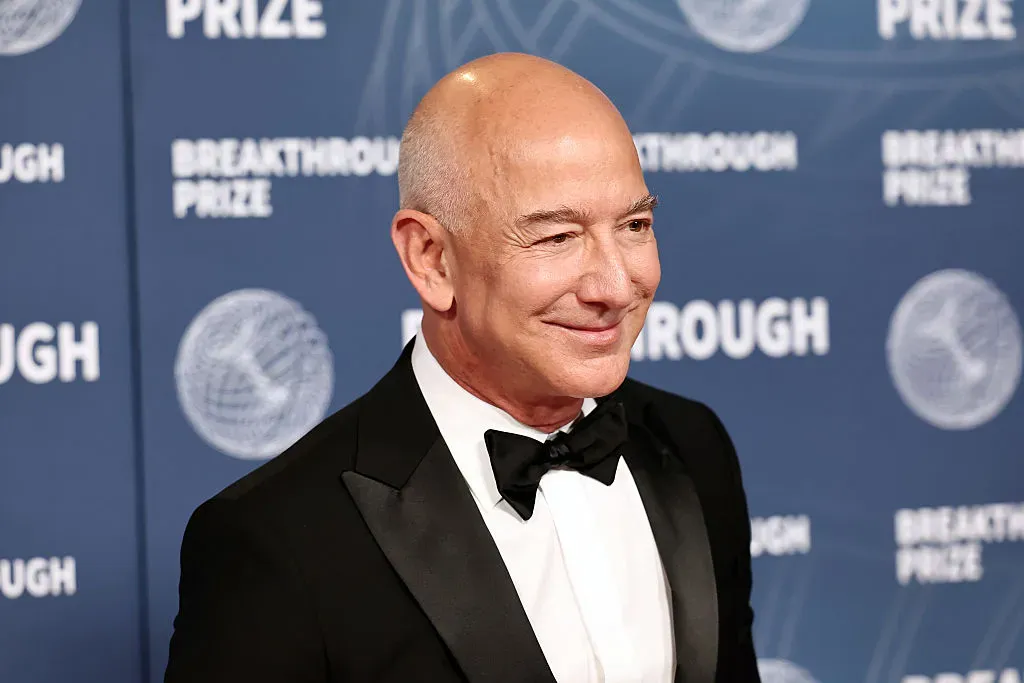
Jeff Bezos’s Prometheus raises $12B to build an “artificial general engineer”
A $12B funding round values the physical AI startup at $41B, aiming to automate heavy engineering and drug design.

Equal AI raises $30M as its AI call assistant hits 1M monthly users
The $30M round is backing an AI phone agent that promises to remove call bottlenecks for Indians, now at scale.

Theker raises $85M for reconfigurable factory robots, skipping the “one-shape” humanoid playbook
A new $85M bet on factories: robots that get reshaped for tasks, not built around a single fixed body.